
Who Is the Traitor?
JudasThis thread connects Judas, political dissenters, Shmuel’s family history, and the novel’s challenge to labels of betrayal.
increasing Bearing strength in each event
 decreasing
Bearing strength in each eventdecreasingA Family Label
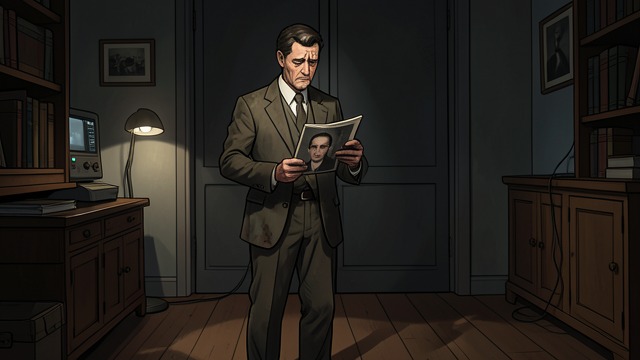
Betrayal at Home
The Grandfather
Shmuel’s grandfather Antek is killed by resistance fighters who think he is a British agent, though he had also helped them.
A Name to Repair
Shmuel’s father spends years trying to clear his grandfather’s reputation.
The family story makes the label of traitor unstable before Shmuel applies it to larger history.
The Disloyal Dissenter
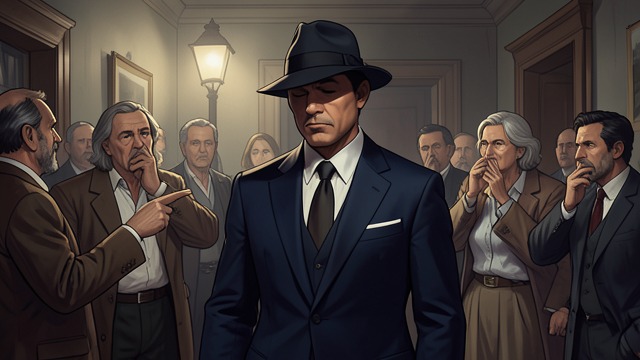
Abravanel Called a Traitor
Dissent
Shaltiel Abravanel opposes partition and a separate Jewish state.
Public Rejection
Colleagues remove him, and public voices portray his relationships with Arabs as evidence of betrayal.
The label suppresses the distinction between treachery and principled disagreement.
Judas’s Inherited Infamy
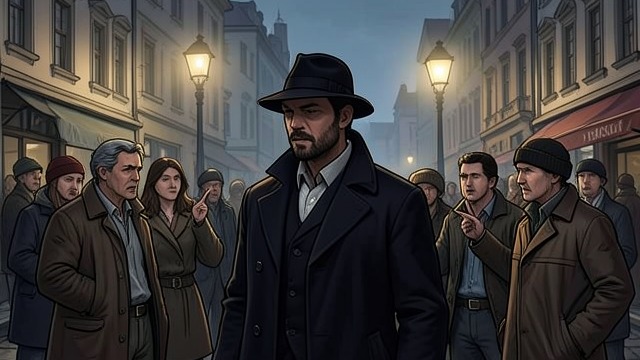
A Name for Treason
Christian Memory
Judas becomes the emblem through which many Christians imagine Jewish betrayal.
Jewish Silence
Shmuel notices that Jewish polemicists often avoid discussing Judas directly.
The cultural label survives more powerfully than historical inquiry into the man behind it.
A Kiss Reconsidered
The Conventional Evidence
No Need to Identify Jesus
Shmuel argues that Jesus was already known in Jerusalem and did not need Judas to identify him.
A Different Betrayal
He suggests that Judas’s decisive failure was losing faith when Jesus died.
The conventional kiss ceases to settle whether Judas was a betrayer at all.
A Changing Definition
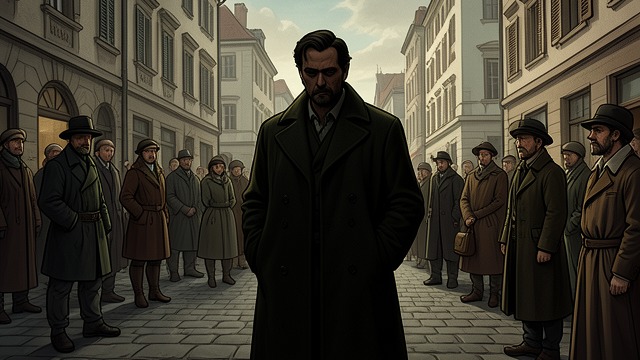
Honor in Disloyalty
Historical Examples
Wald and Shmuel recall figures condemned for challenging accepted political or religious authority.
A Principle
Shmuel argues that people who dare to change will be called traitors by those who fear change.
The label becomes a contested measure of loyalty, conscience, and the power to imagine another future.
Shmuel’s childhood and family history
The political crisis of 1947
Shmuel’s winter research
Late winter 1959–1960
In Wald’s late conversations with Shmuel
