
The Dream of Shared Communities
JudasThis thread traces Abravanel’s alternative to nation-states and the novel’s examination of its moral appeal and political weakness.
increasing Bearing strength in each event
 decreasing
Bearing strength in each eventdecreasingA Zionism Without Sovereignty
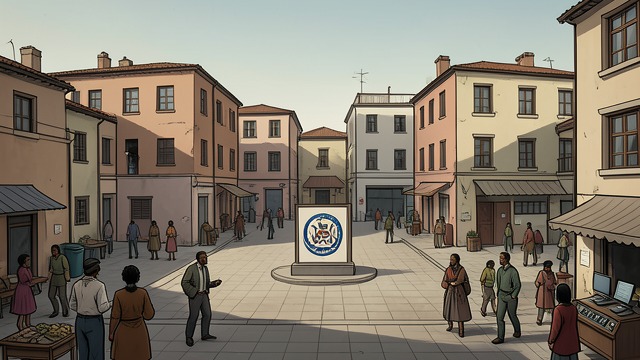
An Alternative Home
Abravanel’s Hope
Abravanel wants Jews to build a home in the Land of Israel without establishing a state exclusive to Jews.
Shared Communities
He imagines neighboring communities sharing institutions, languages, and daily life.
His vision separates attachment to a homeland from the demand for sovereign borders.
Schools and Common Life
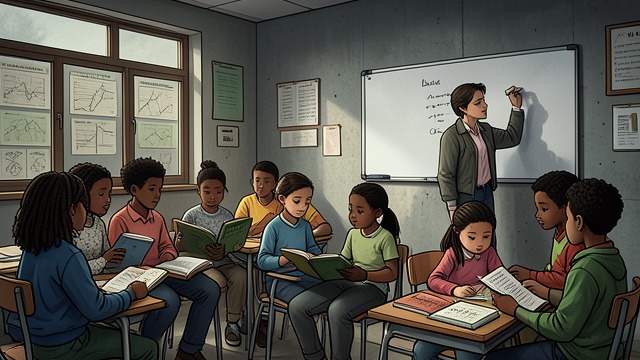
Practical Signs of Coexistence
Shared Learning
Abravanel imagines Jewish children learning Arabic and Arab children learning Hebrew, perhaps in common schools.
Everyday Contact
He points to professional and family connections that existed before the conflict intensified.
The proposal depends on ordinary relationships becoming stronger than national separation.
Fear of Expansion
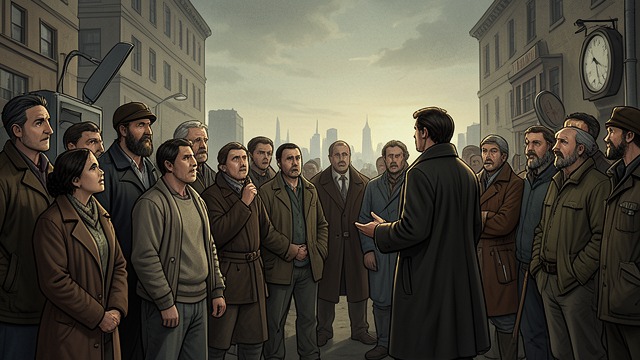
What the Neighbors Fear
Arab Perception
Abravanel believes Arabs fear not only the small Jewish community but its future capacity and ambitions.
Reassurance Proposed
He argues that patience, dialogue, and shared institutions might reduce that fear.
The analysis asks whether political mistrust can be eased by changed conduct or is rooted in irreconcilable claims.
Shmuel’s Objection
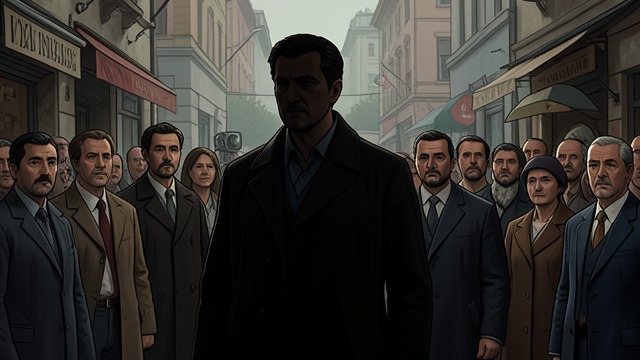
Idealism Meets Danger
Moral Appeal
Shmuel finds Abravanel’s vision attractive and humane.
Security Doubt
He argues that Arabs may have seen Jewish vulnerability as an opportunity, not merely feared future strength.
The disagreement asks whether an ethical proposal can protect the people asked to trust it.
The Unresolved Dream
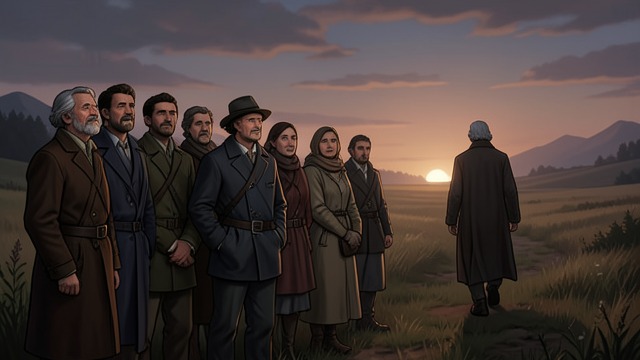
An Unfinished Political Imagination
Limits
Abravanel’s vision never becomes a tested arrangement, and war makes it easier to dismiss as impossible.
Persistence
Wald still believes dreamers make the world less petrified, even if they cannot save it.
The novel leaves coexistence as a moral possibility rather than a completed political answer.
Before the 1947 partition decision
As Abravanel’s proposal develops
During Wald’s account of Abravanel’s argument
Late winter 1959–1960
Near Shmuel’s departure
