
Judas as the First and Last Christian
JudasThis thread traces the transformation of Judas from the Christian emblem of Jewish treachery into Shmuel’s imagined exemplary believer.
increasing Bearing strength in each event
 decreasing
Bearing strength in each eventdecreasingThe Only Jew Named
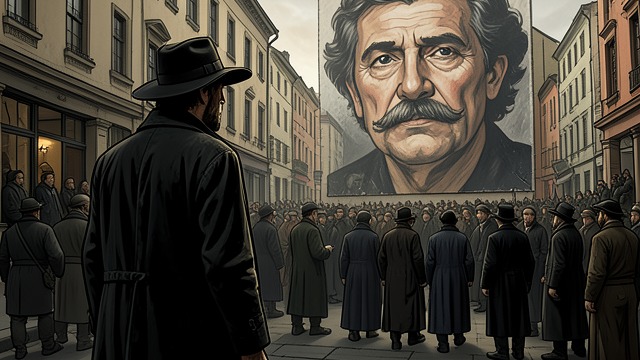
A Singular Accusation
Collective Symbol
Shmuel observes that Judas is remembered as Jewish while the other followers of Jesus are not treated as representatives of the Jewish people.
Inherited Meaning
The traitor becomes a vehicle for associating Jewish identity with betrayal.
The novel exposes how an individual figure can be made to bear collective blame.
Silence in Jewish Sources

A Figure Avoided
Polemical Texts
Shmuel finds Jewish attacks on Jesus but almost no sustained discussion of Judas.
Possible Shame
He wonders whether writers avoided a man whose reputation had accumulated generations of hatred.
The omission becomes evidence of how inherited accusation can constrain even its targets.
A Kiss Without Necessity
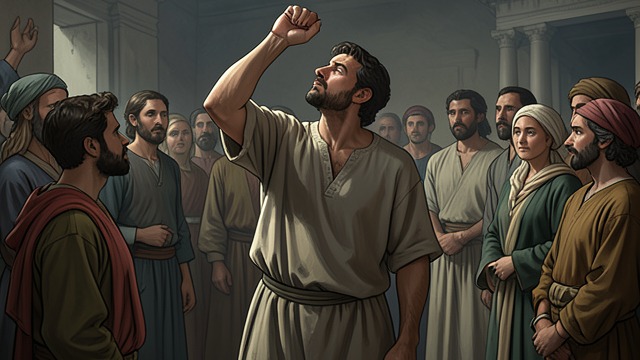
Revisiting the Sign
Public Recognition
Shmuel argues that Jesus was already recognizable to authorities in Jerusalem.
A New Meaning
If Judas kissed Jesus, the gesture did not need to identify him for the captors.
The scene’s traditional proof of treachery becomes uncertain, opening room for other motives.
The Believer at the Cross
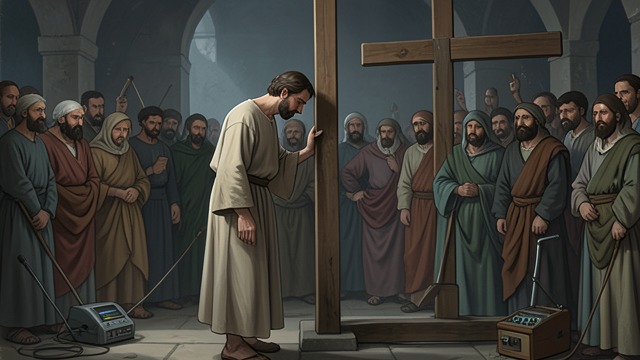
Faith Without Rescue
Judas’s Expectation
Judas believes Jesus will escape the cross and reveal himself as savior before Jerusalem.
His Final Failure
Jesus dies, and Judas recognizes that his own faith helped bring him there.
The man condemned for betrayal becomes the one whose belief outlasts every other disciple’s courage.
A New Gospel Question

History Reopened
A Counter-Narrative
Shmuel considers writing an account of Judas that overturns the inherited image of the traitor.
No Final Authority
His reconstruction remains a speculative manuscript rather than an established account of ancient events.
The novel’s achievement is to make the reader ask what loyalty, belief, and betrayal might mean.
During Shmuel’s historical research
During Shmuel’s winter research
Late winter 1959–1960
In Shmuel’s written reconstruction
Shmuel’s final days in Jerusalem
