
Jerusalem as Prison and Longing
JudasThis thread traces Jerusalem as a city that confines Shmuel while also embodying several incompatible hopes for home.
increasing Bearing strength in each event
 decreasing
Bearing strength in each eventdecreasingThe Divided City
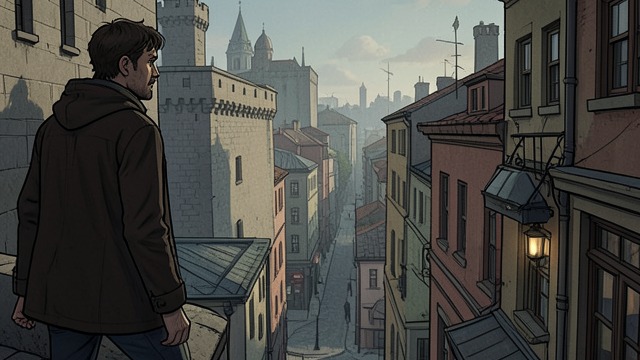
A City Under Pressure
Physical Division
Jerusalem’s walls and border defenses make political separation visible.
Personal Confinement
Shmuel’s walks repeatedly circle the city without giving him a clear destination.
The urban setting turns his private uncertainty into an experience of enclosure.
A House at the Edge
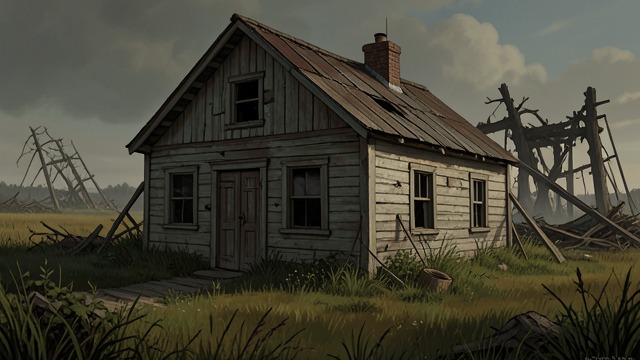
Shelter Beside the Ruins
Outer Boundary
The house stands near abandoned fields and the ruins of Sheikh Badr.
Inner Boundary
Its locked doors and strict rules confine Shmuel within a household he cannot fully enter.
The house offers a place to live while reproducing the city’s larger divisions in miniature.
The Crusaders’ Substitute
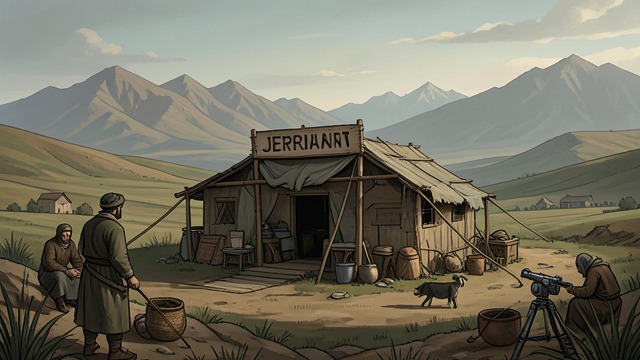
Jerusalem as an Idea
The Pilgrimage
Crusaders travel east expecting to find a perfect sacred city.
The Valley
They settle in a peaceful valley and call it Jerusalem instead.
The tale asks whether home lies in a particular place or in the hope projected onto it.
The Moonlit City
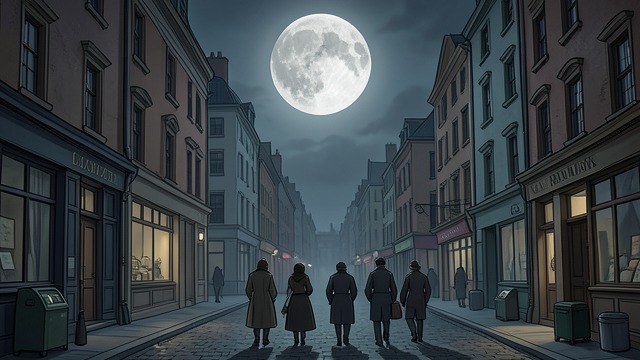
An Intimate Landscape
Shared Streets
Atalia leads Shmuel through quiet neighborhoods under a winter moon.
A City That Watches
The silence makes Jerusalem feel alert, as though it is waiting for something to happen.
The city holds their closeness and distance at once.
The Southbound Release
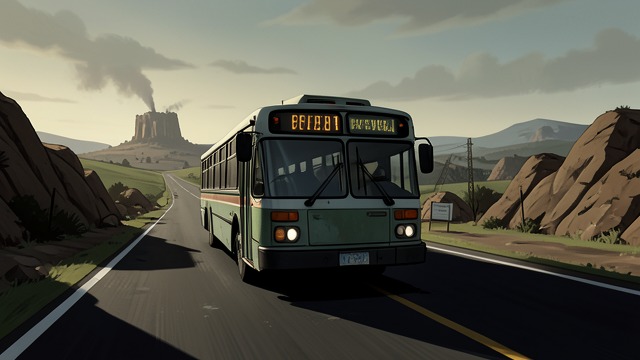
Leaving the Old City Behind
Departure
Shmuel boards a bus south and feels as if he is waking from a long confinement.
Persistent Memory
The road passes near the place where Mija died, so release carries guilt and remembrance with it.
Jerusalem is left behind physically but remains part of the story he carries onward.
Winter 1959–1960
From Shmuel’s arrival onward
During Wald’s story of a medieval journey
During Shmuel and Atalia’s night walks
Early March 1960
