
The Political Argument of the Novel
JudasThis thread tracks the clash between political realism and Shaltiel Abravanel’s proposed Jewish-Arab coexistence.
increasing Bearing strength in each event
 decreasing
Bearing strength in each eventdecreasingA Dissenting Proposal
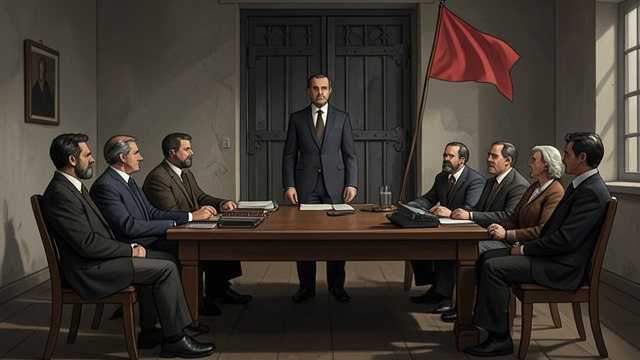
A Different Political Future
Shared Society
Abravanel argues for Jewish and Arab communities living together without a separate sovereign state.
Political Risk
He believes a declaration of statehood will turn competing national fears into war.
His proposal is presented as a serious alternative, not a policy that history ever tested.
The Leadership Divides
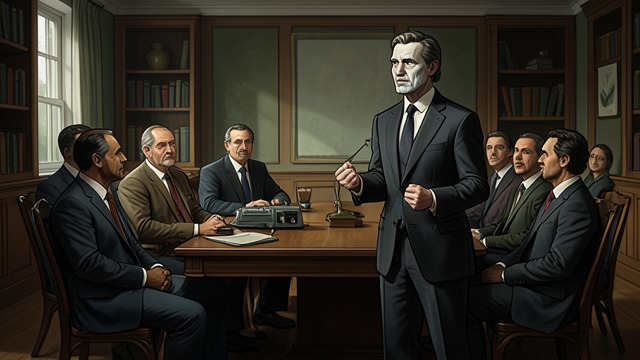
Dissent Meets Discipline
The Committee
Abravanel asks to present his individual view to the United Nations committee; his colleagues insist on a single official voice.
Removal
After the disagreements sharpen, he is removed from the Zionist leadership.
The conflict becomes personal as well as constitutional: dissent costs him his place in public life.
War Against Prediction
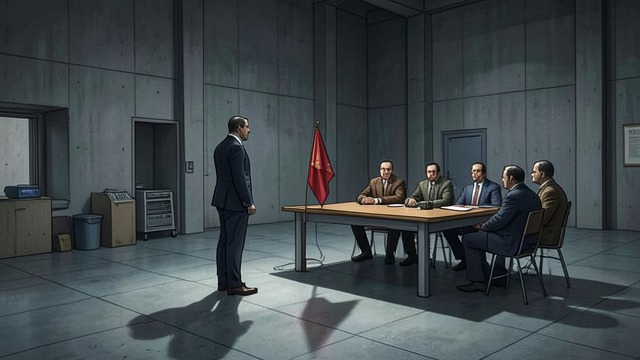
Competing Judgments
Wald’s Position
Wald supports the practical necessity of armed resistance and a Jewish state.
Abravanel’s Warning
Abravanel predicts prolonged conflict and sees force as incapable of producing trust.
Their disagreement is not resolved by evidence available to either man before the war.
The Cost of Victory
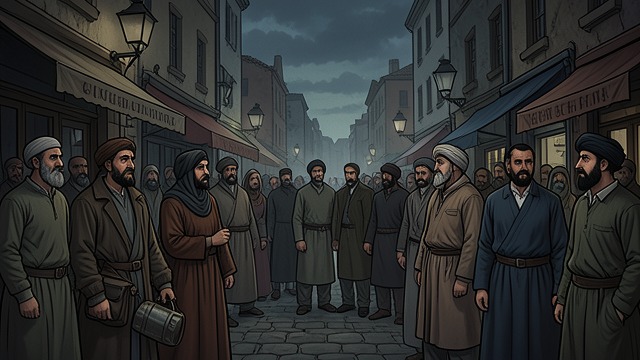
A State and Its Aftermath
Displacement
The war brings Jewish statehood alongside the flight and expulsion of many Arab residents.
Atalia’s Accusation
Atalia tells Shmuel that national independence was bought with blood, dispossession, and lasting enmity.
The argument shifts from prediction to the human consequences already present in the characters’ lives.
No Easy Verdict

The Argument Remains
Shmuel’s Reservations
Shmuel finds Abravanel’s hopes attractive but worries that they underestimate the dangers facing Jews.
Wald’s Ambivalence
Wald respects Abravanel yet believes that conflict could not have been avoided by good intentions alone.
The novel preserves disagreement rather than converting a tragedy into a simple political lesson.
1947, recalled in the winter of 1959–1960
June to December 1947
Late 1947 through 1948, as recalled by Wald
After the 1948 war
Late winter 1959–1960
