
Wald’s Life After Mija
JudasThis thread follows Wald from a grief concealed by talk into a more vulnerable bond with Shmuel.
increasing Bearing strength in each event
 decreasing
Bearing strength in each eventdecreasingThe Talking Invalid
Wit as a Defense
Performance
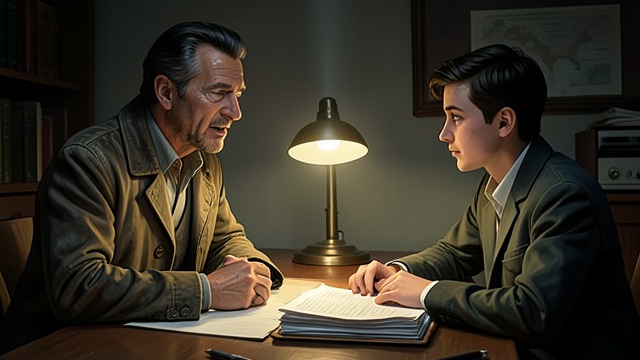
Gershom Wald greets Shmuel with jokes, arguments, biblical quotations, and biting judgments.
Hidden Sorrow
His lively voice contrasts with eyes clouded by grief and a body increasingly dependent on his arms.
Speech fills the room but does not yet reveal what he cannot bear to say.
The Son’s Death
A Father’s Loss
Mija’s Choice
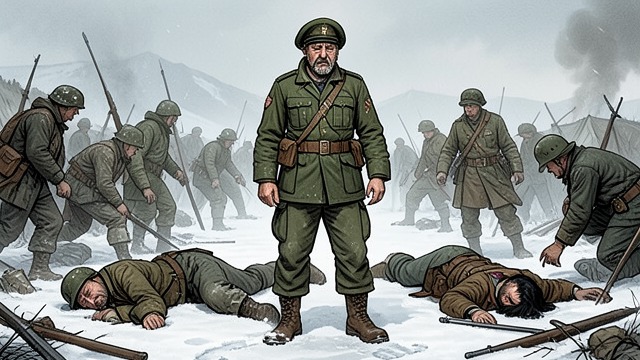
Wald’s disabled son joins the fighting despite pleas that he remain away from the war.
The Fatal Convoy
Mija is left behind after the battle near Bab al-Wad and dies alone.
Wald believes his own nationalist teaching helped send his son to his death.
The Fever Confession
Speech Breaks Through
Illness
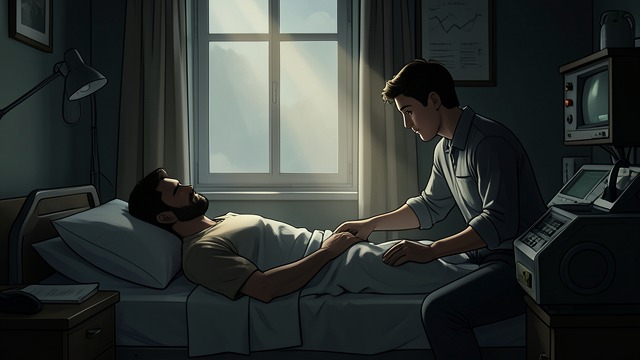
A severe winter flu confines Wald to bed, and Shmuel tends to him in the private bedroom.
Confession
Wald explains how he trained Mija for war and calls himself a man who is no longer alive.
Illness loosens the defenses that routine and talk had maintained.
A New Listener
Silence Between Arguments
Changed Conversation
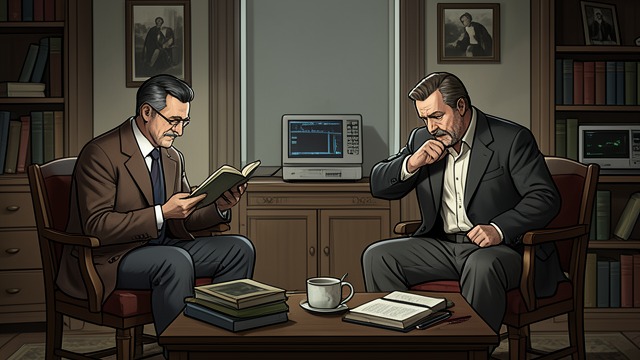
Wald speaks less and sometimes sits reading beside Shmuel rather than dominating the room.
Shared Care
He permits Shmuel to steady him and arrange his cushions.
The change suggests a relationship built not only on debate but also on mutual trust.
The Forehead Kiss
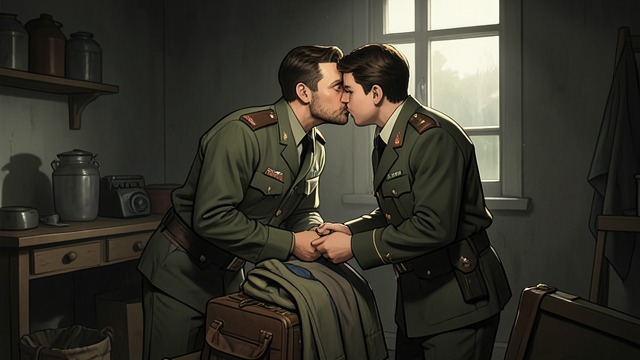
A Reluctant Blessing
Recognition
Wald finds Shmuel packing and admits that he has already lost one son.
Farewell
He kisses Shmuel on the forehead and lets him go.
The gesture briefly gives both men a language of affection that their debates had not supplied.
When Shmuel first meets him
April 2, 1948, recalled in the winter
Midwinter 1959–1960
After Wald recovers
Shmuel’s last day in the house
