
Nature and the Libertine’s Alibi
JustineThis flow tracks how characters appeal to nature’s indifference to excuse violence, while the plot contrasts natural explanation with moral responsibility.
increasing Bearing strength in each event
 decreasing
Bearing strength in each eventdecreasingNature as Self-Sufficient
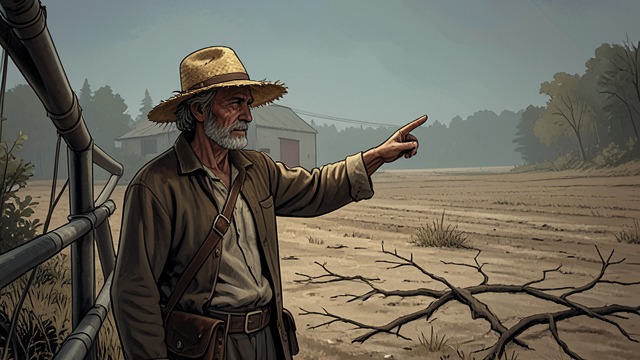
Nature as Self-Sufficient
Denial of a creator
Coeur-de-fer tells Justine that nature needs no divine author and that human life ends in the return of matter to other forms. He uses this account to reject punishment after death.
Consequences for conduct
If no divine judgment exists, he argues, immediate pleasure should govern decisions. Justine’s appeal to future justice gives the argument a direct human counterpoint.
Crime as Equilibrium
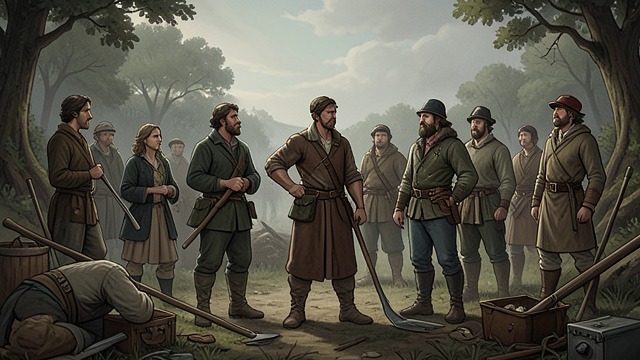
Crime as Equilibrium
Violence defended
Dubois and Coeur-de-fer argue that crime and destruction help maintain nature’s balance. They treat personal interest as more reliable than sympathy for strangers.
Society questioned
Justine answers that even criminal groups depend on restraint and mutual expectations. Their exchange shows that a theory of universal selfishness still requires cooperation to explain how any community can endure.
Murder as Transformation
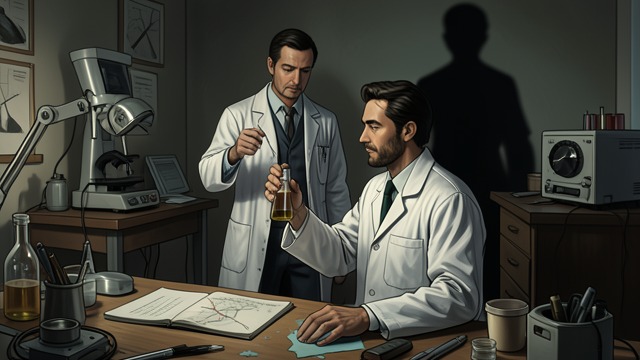
Murder as Transformation
Matter invoked
The Comte de Bressac insists that killing only changes the form of matter and therefore cannot be an offense against nature. The claim is used to flatten the difference between death and ordinary transformation.
Relationship ignored
Justine insists that the victim’s bonds and the killer’s conscience matter. The argument reveals how an abstract account of physical change can be used to erase the claims of a particular person.
The Predator’s Analogy
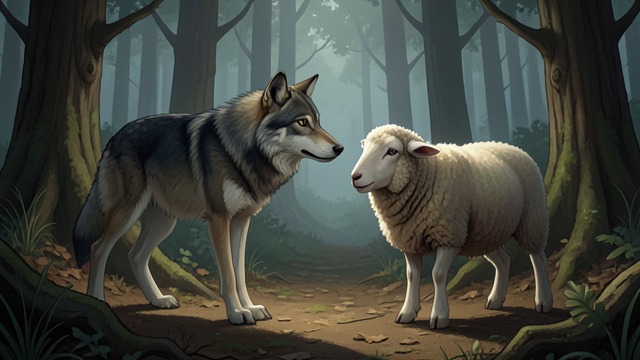
The Predator’s Analogy
Might as natural law
Roland compares his control of Justine to the wolf’s relation to the sheep, arguing that the strong naturally use the weak. Wealth and force, rather than gratitude or law, become his measures of entitlement.
A moral distinction denied
The analogy makes human violence seem no different from predation. Justine’s experience exposes the cost of that claim to the person treated as an object of another’s appetite.
The Novel’s Open Question
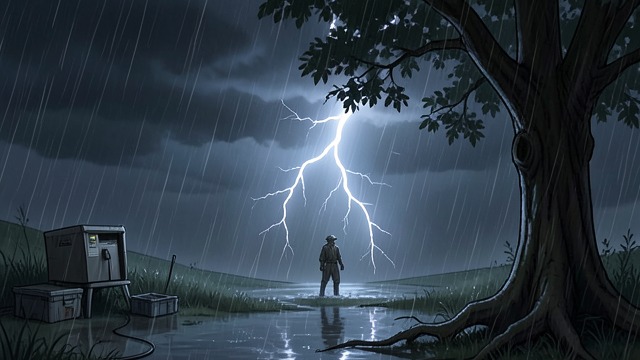
The Novel’s Open Question
Nature’s storm
Justine dies when lightning strikes during a storm, shortly after her restoration to comfort. The event can appear as arbitrary natural violence rather than a legible moral judgment.
Interpretation remains contested
Juliette reads the death as a divine warning, while the narrator converts it into a final defense of virtue. The storm closes the plot but does not erase the tension between natural indifference and providential meaning.
During Coeur-de-fer’s arguments in the forest
During the bandits’ discussion of a robbery
During the Comte’s plan against his aunt
During Roland’s first explanation of his authority
After the final lightning strike
