
Virtue Under Pressure
JustineThis flow traces Justine’s effort to preserve her moral commitments as each new crisis makes survival seem to demand compromise.
increasing Bearing strength in each event
 decreasing
Bearing strength in each eventdecreasingA Refusal of Vice

A Refusal of Vice
The choice
When Juliette proposes a life of sexual calculation, Justine chooses poverty rather than surrendering her principles. Her decision is voluntary, but the risks around it are not.
A governing commitment
Religion and moral duty give her a language for enduring misfortune. The narrative will repeatedly place that inner assurance beside a world in which good conduct brings no immediate protection.
Honesty Punished
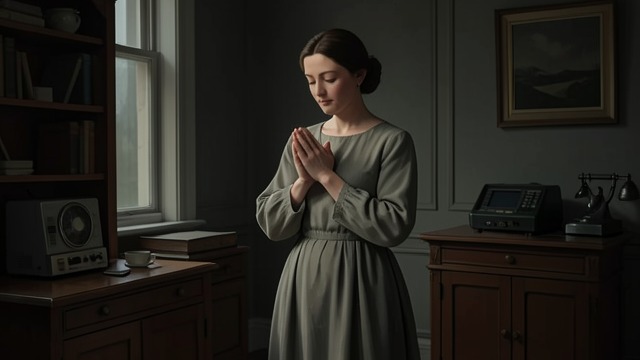
Honesty Punished
An ethical test
Justine refuses to steal for Monsieur du Harpin, even though obedience might have protected her position. She believes an honest response should distinguish her from the people exploiting her.
Cost of refusal
Her employer retaliates by framing her, and the courts convict her. The episode turns a private moral choice into public punishment and begins a recurring conflict between conscience and material power.
Resistance in the Woods
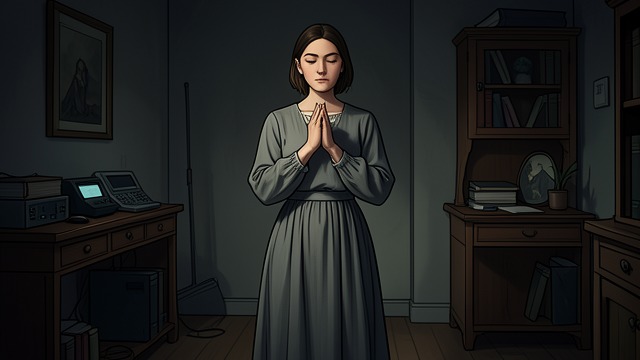
Resistance in the Woods
Pressure from Dubois
Dubois argues that poverty and social injustice excuse crime, presenting her own criminal life as a practical answer to exclusion. Justine understands the force of that argument because she has experienced abandonment directly.
Limits of survival
Threatened by the gang, Justine submits to immediate demands to avert a more direct assault, yet continues to reject its creed. Her moral agency persists under coercion, though the distinction between consent and survival becomes painfully strained.
Conscience in Captivity
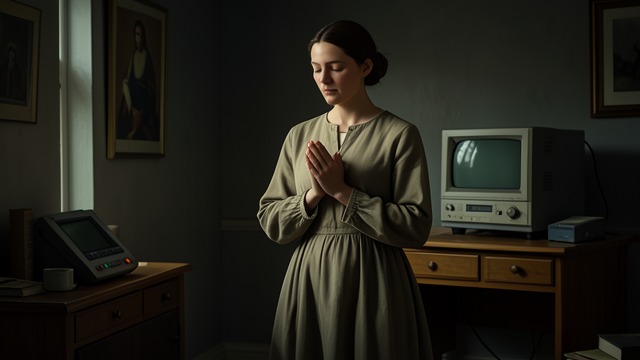
Conscience in Captivity
Faith amid abuse
At the monastery, the apparent sanctuary of religion becomes a prison run by men who mock the faith Justine cherishes. She experiences the violation of her body as a further assault on her moral identity.
Refusal to accept their logic
The monks explain their cruelty through theories of nature, power, and pleasure. Justine rejects those arguments, even when the institution makes dissent dangerous and punishment routine.
Hope Survives the Fall
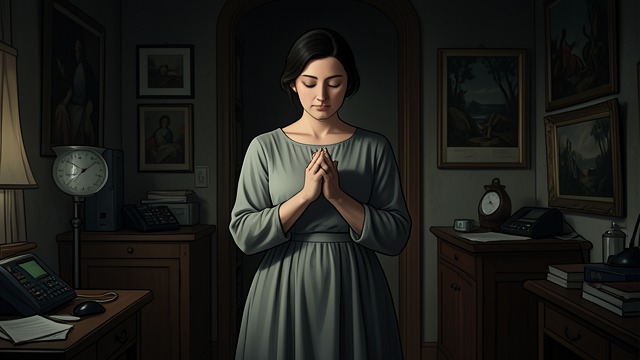
Hope Survives the Fall
Looking back
Facing a sentence she did not earn, Justine recalls how often kindness led to betrayal and how often criminals prospered. Her account gives the novel its fullest challenge to easy claims that earthly outcomes reveal moral worth.
Final reliance
She nevertheless appeals to justice beyond the courts and imagines death as a refuge from suffering. Her conviction is not proof that her life has been protected; it is the principle she refuses to abandon when protection fails.
At the sisters’ separation
During her service to Monsieur du Harpin
After her escape into the Forest of Bondy
During the first months at the monastery
During the journey to Paris
