
War’s Long Afterlife
Kensuke's KingdomThis thread traces how wartime destruction continues to shape Kensuke’s grief, distrust of people, and understanding of survival.
increasing Bearing strength in each event
 decreasing
Bearing strength in each eventdecreasingThe Bomb and the Assumption
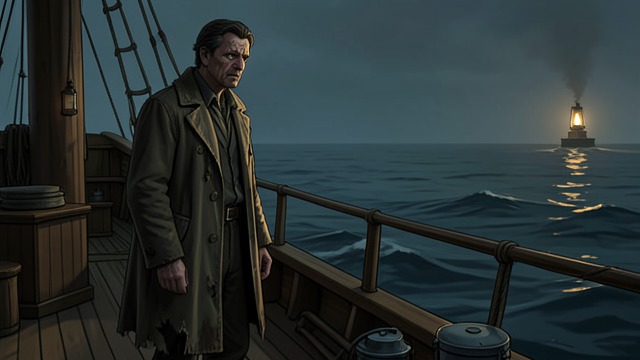
Loss Heard at Sea
News of Nagasaki
Kensuke hears that an atomic bomb has fallen on Nagasaki while he is aboard a damaged warship. He assumes that Kimi, Michiya, and his wider family have been killed.
A life redirected
The news helps turn survival into a burden: Kensuke has lived when his family may not have. His grief follows him to the island and influences nearly every choice about whether to return.
People as a Threat
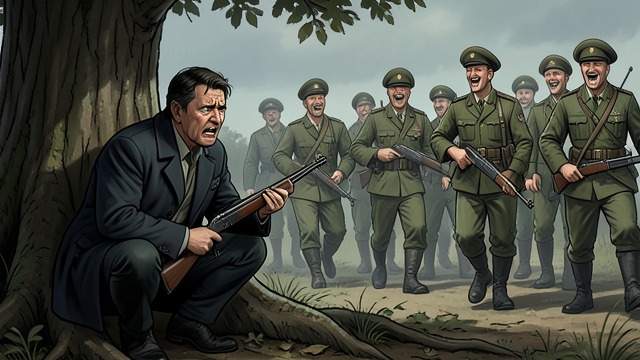
Distrust Takes Root
Violence witnessed twice
Kensuke hides from American soldiers after hearing their celebration of the bomb. Later hunters arrive and kill gibbons, giving his suspicion of people an immediate, repeated basis.
Isolation as self-protection
He decides that staying unseen is safer than returning to human society. His ban on Michael’s fires grows from trauma as well as concern for the island’s animals.
The Survivors’ Letter
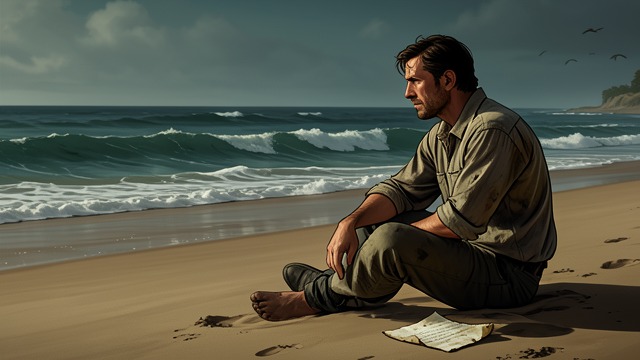
History Corrects Itself
What Kensuke never knew
Michiya tells Michael that he and Kimi survived the bombing because they were away from Nagasaki. Kimi lived for decades believing her husband had died.
Grief without reunion
The revelation cannot give Kensuke the reunion he might have had, but it changes the meaning of his loss. His family survived, and Michael’s truthful account creates a connection across the silence that war and exile produced.
During the final days of World War II
After American soldiers reach the island
Four years after Michael’s account appears
