
Loneliness and the Need for Companionship
Klara and the SunAcross AFs, children, parents, and strangers, the story examines how companionship can relieve loneliness without eliminating it.
increasing Bearing strength in each event
 decreasing
Bearing strength in each eventdecreasingThe Child at the Window
Looking In
Frustrated Children
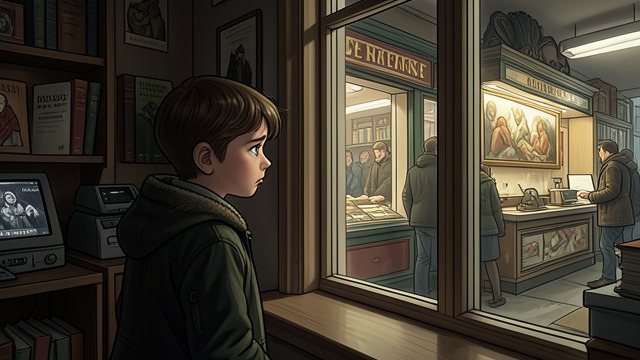
Klara notices children who gaze at the AFs with sadness or anger. Manager says some cannot afford a companion and may be lonely.
A Wider Problem
Klara begins to understand that the window displays not only desirable products but also lives some children cannot access. Loneliness exists outside the store before she knows its full shape.
The Missing AFs
Absence in the Street
A Curious Pattern
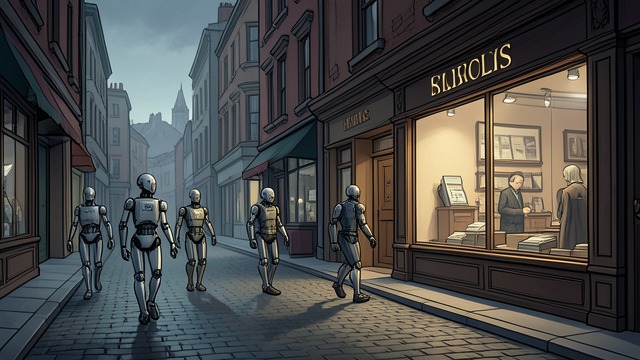
Rosa wonders why so few AFs appear outside. Klara notices that some seem to avoid passing the store.
Replacement Anxiety
Klara suspects older AFs fear that children will replace them with new models. The market’s promise of companionship carries its own threat of abandonment.
The Lost Couple
Reunion Across the Street
A Long Separation
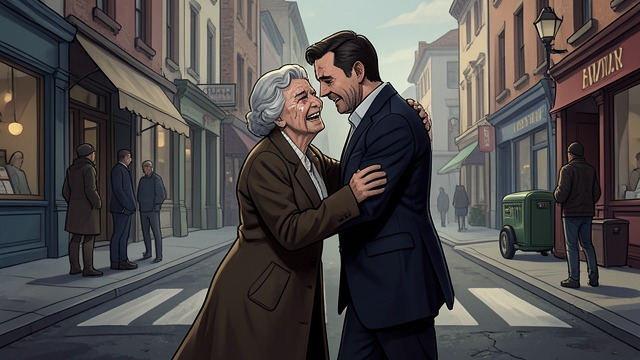
Klara watches an older woman cross to meet a man who has been waiting for her. They embrace with both happiness and visible distress.
Pain Alongside Joy
Manager suggests they may have found each other after many years. The encounter teaches Klara that reunion can restore connection while reopening the pain of loss.
Josie’s Morning Coffee
Company as a Daily Need
A Small Routine
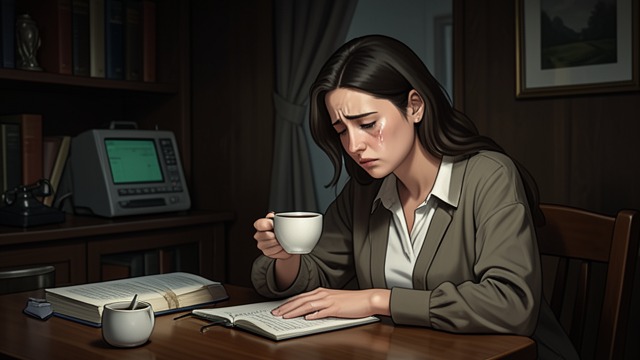
Josie must sit with the Mother for morning coffee, even when she is tired. Missing the ritual leaves her vulnerable to loneliness for the rest of the day.
Care in Ordinary Moments
Klara learns that companionship depends not only on major promises but on repeated presence. The family’s routines carry emotional weight beyond their practical purpose.
Klara’s Final Solitude
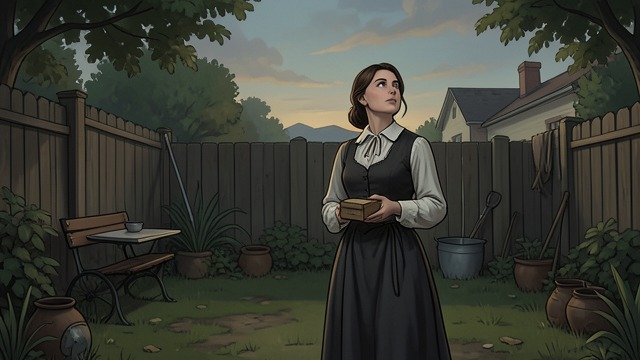
A Quiet Ending
A Separate Future
Josie leaves for college, and Klara remains behind. Rick and the Mother no longer share the daily life that once surrounded her.
Memories as Company
At the Yard, Klara chooses to stay alone with her memories rather than join other AFs. The ending asks whether loneliness is absence alone, or also a life made meaningful by remembered bonds.
during Klara and Rosa’s first window period
after Rosa and Klara begin watching from the window
during Klara’s first window period
during Klara’s early months at home
after Josie leaves for college
