Josie–Rick relationship
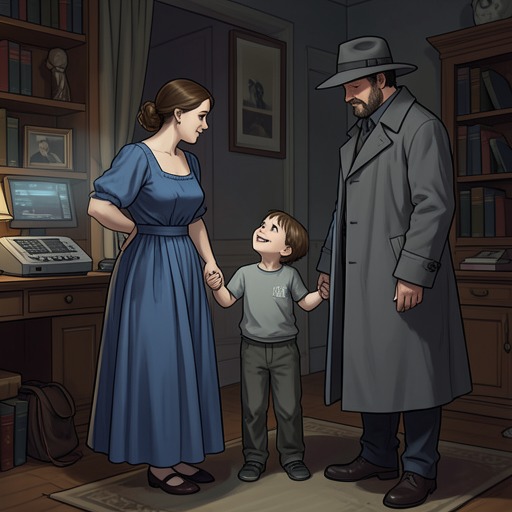
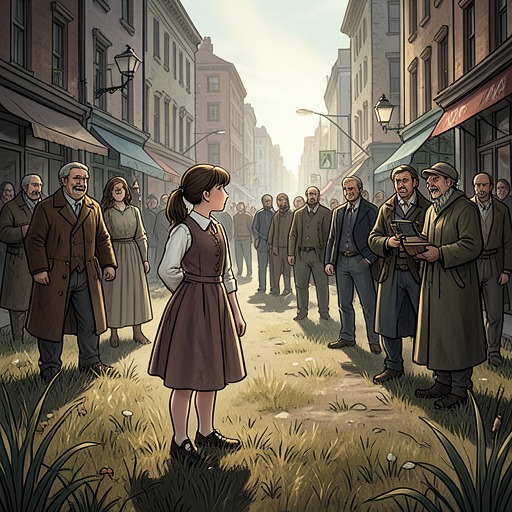
Klara and the SunJosie–Rick relationship is a childhood bond founded on growing up together and imagining a shared future, then reshaped rather than erased when Josie and Rick come to pursue different lives. Its decisive significance lies in the distinction between reproducing a relationship and carrying its meaning forward: Rick insists their love was genuine, while the older pair recognize that they cannot remain together in the way their younger selves intended.
Childhood Attachment and a Shared Future
Rick describes himself and Josie as having grown up together and being part of each other. When Klara asks whether their love is genuine and lasting, because she hopes to use that truth as something with which to plead for Josie, Rick answers without hesitation. He says their plan is still theirs and that the difference between being lifted and unlifted will not alter their love. His confidence makes their bond more than a childhood friendship in Klara’s eyes: it becomes a promise about the kind of adult life they expect to share.
That promise also exists in an unequal social world. Rick is unlifted, and he later explains that trying to compete with lifted students at college would not have worked for him. In the earlier period, Klara sees how children’s social behavior can endanger closeness: she believes Josie is kind beneath her strange behavior and thinks the other children may act harshly because they fear loneliness. Rick, meanwhile, fears that Josie will become like those children and lose the qualities he recognizes in her. Their anxiety is not simply whether they love each other, but whether changing social pressures will leave room for the relationship they have imagined.
Klara’s Witness and Appeal
Klara tries to understand their attachment through what she can observe and through the couple’s own words. Her attention to Josie’s mannerisms is joined to a larger question about whether knowing a person’s visible behavior is enough to know who that person is. When she later asks Rick to tell her whether their love is true, the question has a practical purpose: she wants to approach the Sun on Josie’s behalf with an additional reason to ask for help. Rick’s answer gives her the evidence she is seeking, and Klara treats the bond as something she can personally attest to.
At the barn, Klara appeals to the Sun by connecting Josie and Rick’s hoped-for future with another reunion she had witnessed: Coffee Cup Lady and Raincoat Man finding one another again after many years. She argues that the Sun wishes well to people who love one another and asks for Josie to receive the special nourishment that might let her and Rick enter adult life together. The appeal shows how strongly Klara understands their love as a reason to preserve their shared future. It also places the relationship within her developing moral outlook: she regards bringing people together as a good in itself, not merely as a reward for Josie’s recovery.
Separation Without Denial
By the time Klara meets Rick again, he and Josie still show kindness to each other, but they are preparing for different futures. Rick recalls Klara’s earlier question at the barn and confirms that, at the time, his love for Josie was real and everlasting. He rejects the idea that this earlier answer was a deception, while also explaining that they are no longer children and should wish each other well as they go their separate ways.
Rick’s decision is tied to his own plans and to the educational barrier he sees before him. He says he has his own direction now and that it is right for them to follow separate paths. The relationship therefore does not end because Rick disowns what they shared; rather, he distinguishes the truth of their childhood love from the practical question of building a life together as adults. His account resists a simple contrast between a true past and a false present: the love was genuine, even though its original plan will not be fulfilled.
Rick also gives the bond a continuing, inward form. He cannot speak for Josie, but says that once he is out in the world, he will keep searching for someone like the Josie he once knew. He imagines that he and Josie will remain together at a deeper level even if they no longer see each other. This is not a promise that they will reunite or resume their childhood plan. It is Rick’s way of explaining how an attachment can persist as memory and as a standard by which later relationships are understood.
What the Relationship Reveals
The later conversation unsettles Klara because she sees kindness alongside divergence and worries over the implications of their separate plans. Rick clarifies that her earlier account of their love was accurate when she gave it; what has changed is their stage of life and their chosen futures. Their bond can be lasting without requiring them to remain a couple. That distinction allows the story to honor the sincerity of their childhood attachment while acknowledging that affection cannot by itself remove social constraints or make their paths identical.
The relationship also sharpens the difference between observation and inward understanding. Klara can watch gestures, listen to declarations, and convey that Rick and Josie loved each other. Yet she ultimately concludes that she could not have continued Josie successfully, even if she had achieved great accuracy in reproducing her. The Mother, Rick, Melania Housekeeper, and the Father each held something of Josie in their hearts that Klara could not reach. In the end, Klara locates what was special not in Josie alone, as something that could be extracted and copied, but in the people who loved her. Rick’s enduring attachment becomes part of that evidence: his relationship with Josie is not simply a plan to be carried out, but a meaning that persists in the people who remember and care for her.