
The Church’s Alleged Violence
La piel del tamborThis flow traces the evolution of the claim that the church kills to defend itself, from a hacker’s metaphor to a third death and an unresolved moral explanation.
increasing Bearing strength in each event
 decreasing
Bearing strength in each eventdecreasingA Claim in the Message
A Claim in the Message
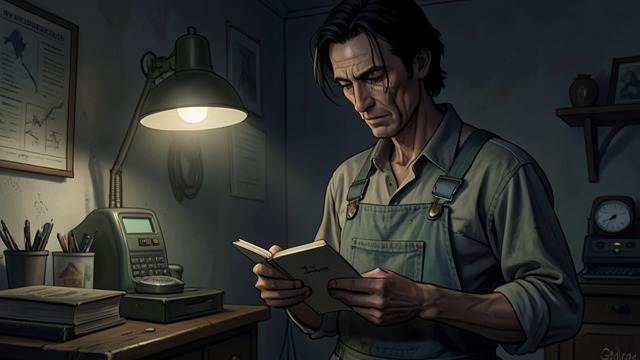
A startling phrase
Vísperas writes that a small church in Seville kills to defend itself. The line turns an obscure parish dispute into a supernatural-sounding warning.
Political usefulness
Rome cannot dismiss the message because it cites real deaths and comes from a capable intruder. The phrase also frames the church as an active victim rather than a passive property.
Two Deaths Interpreted
Two Deaths Interpreted
Official accidents
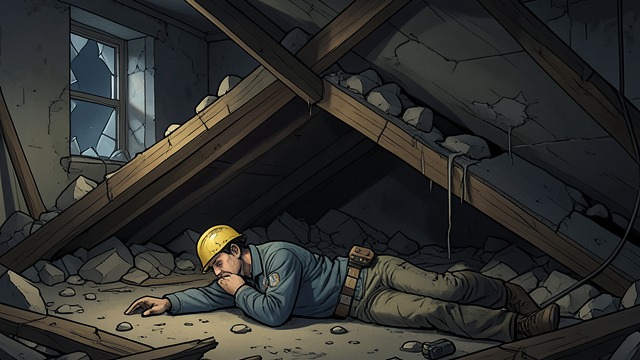
Peñuelas dies after falling from the roof, and Padre Urbizu is struck by falling masonry. Police investigations find no clear evidence of human intervention.
The church becomes suspect
The timing of both deaths gives the hacker’s phrase emotional force. Quart considers whether chance, negligence, or a less ordinary pattern might explain the events.
A Third Body
A Third Body
The confessional
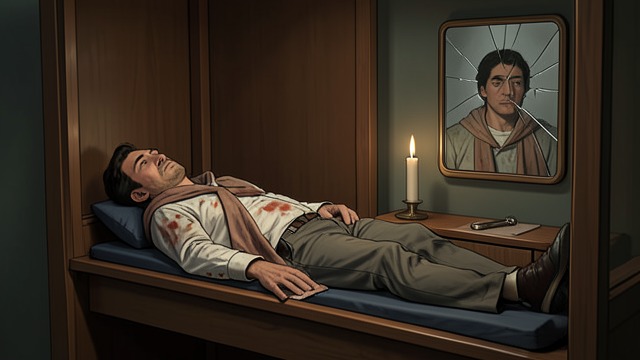
Bonafé is found dead in the confessional after arriving at the church. The police initially regard this death as a likely homicide rather than another accident.
The claim gains force
Three deaths now connect to the parish, but the circumstances do not establish a supernatural cause. Ferro’s disappearance and confession redirect attention toward human responsibility.
A Mortal Pearl
A Mortal Pearl
An object at the scene
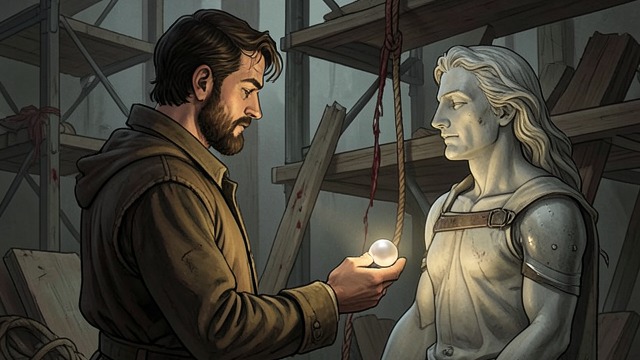
Bonafé carries an imitation pearl stolen from the Virgin statue. Its presence links his death to the substitution of the original gems and an apparent struggle on the scaffold.
The sacred and the criminal
The object becomes evidence of theft, possible blackmail, and the parish’s hidden financial history. Quart also reads it as a sign that the church’s memorial has been violated.
An Unsettled Explanation
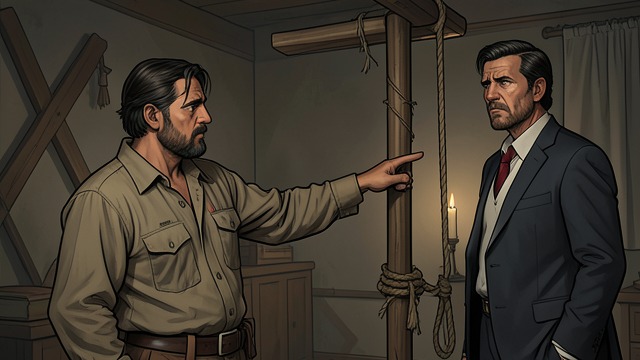
An Unsettled Explanation
Human evidence
Navajo constructs a plausible account of Bonafé’s fall and Ferro accepts guilt. The police have testimony and physical evidence, but Ferro withholds details and does not clarify the other deaths.
A moral mystery
Quart concludes that the legal account cannot answer every question about the church. The novel leaves open whether Ferro’s confession is literal truth, an act of protection, or both.
the night Vísperas first contacts the Pope
during Quart’s initial interviews
the morning after Bonafé enters the church
during the police reconstruction of Bonafé’s death
after Ferro confesses and Quart studies the pearl
