
The Church’s Art and Material Value
La piel del tamborThis flow traces the tension between preserving religious art, using it to meet human needs, and exploiting it for money.
increasing Bearing strength in each event
 decreasing
Bearing strength in each eventdecreasingAn Altarpiece Sold for People
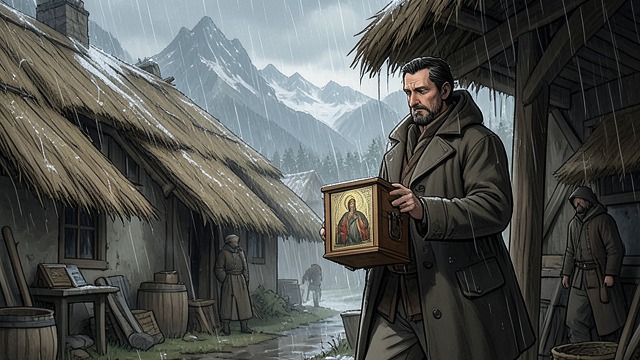
An Altarpiece Sold for People
A poor parish’s needs
Ferro sells a fifteenth-century altarpiece from his mountain parish to repair the roof and help sick and poor parishioners. He values their immediate needs above the object.
A question of stewardship
The sale is condemned as improper and stains his record. The novel does not make the decision simple: it places art preservation beside the obligations of care.
Gris’s Conservation Work
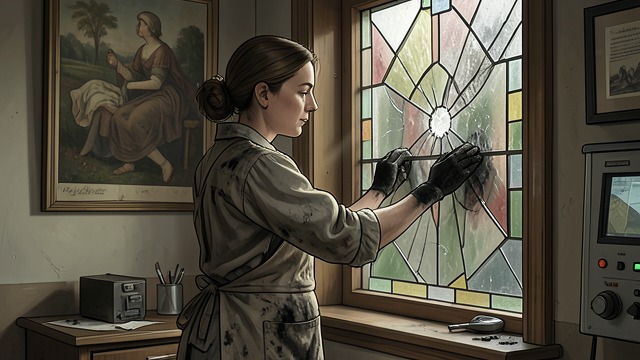
Gris’s Conservation Work
A fragile inheritance
Gris works to save the church’s paintings, glass, roof, and carved furnishings. Much has already been lost to moisture, neglect, and fire.
Art as shared memory
For Gris, each destroyed work makes people more orphaned. Her conservation practice is therefore not simply technical but an effort to retain a community’s relationship with its past.
Beauty against Development
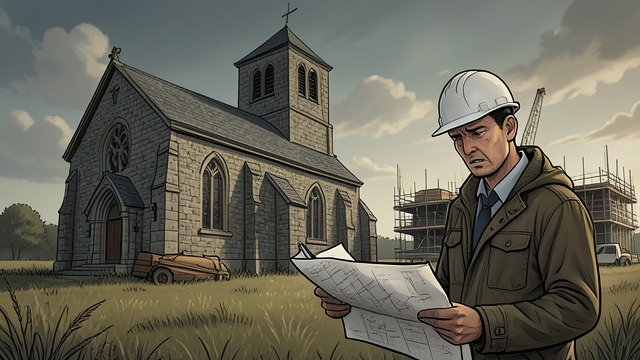
Beauty against Development
A valuable site
Gavira’s plan makes the land more valuable if the church is removed. Corvo considers financial compensation, while the Bruner family resists the loss of a place tied to its history.
Competing values
The conflict asks whether preservation is a luxury or a public responsibility. The novel refuses to make artistic value the only argument: the worshippers and their needs matter too.
The Pearl Trade
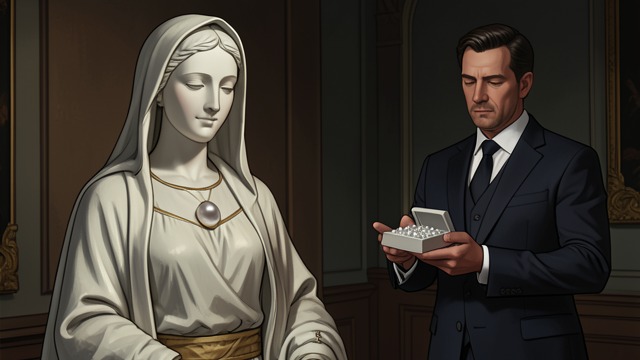
The Pearl Trade
Original gems removed
The original pearls disappear from the Virgin statue and imitation stones take their place. The proceeds appear to support the church’s repairs, though the arrangement is concealed.
Preservation through compromise
The act joins care for the building to an illicit trade in its sacred objects. The church may benefit materially, but its defenders risk damaging the trust and symbolism they seek to preserve.
A Memorial Made Vulnerable
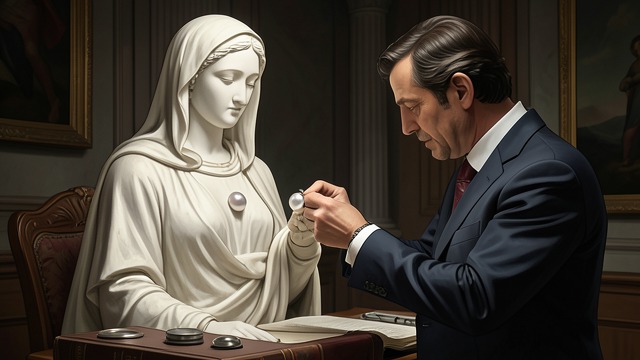
A Memorial Made Vulnerable
The imitation exposed
Bonafé removes a false pearl, revealing that the memorial has been altered. The police use the stone as a clue, while Quart sees its significance in relation to Carlota and Xaloc.
Meaning beyond authenticity
The false pearl is physically inferior but still carries the story attached to the statue. The episode complicates the distinction between original object and preserved meaning.
ten years before Quart’s investigation
during the two years of the restoration project
during the negotiations over the church site
months before Bonafé’s death
after the police discover Bonafé’s pearl
