
The Hunger-to-Cunning Cycle
Lazarillo de TormesThis thread traces the repeated cycle in which deprivation prompts invention, temporary relief, and harsher control.
increasing Bearing strength in each event
 decreasing
Bearing strength in each eventdecreasingNeed in the Childhood Home
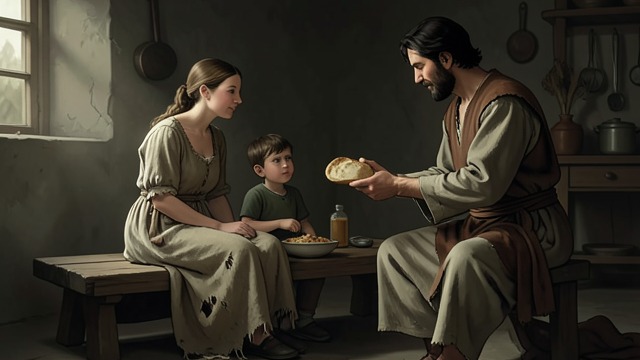
Poverty Precedes the Tricks
A Fragile Household
Antona Pérez relies on work and Zaide’s contributions to feed her children.
Necessity Sets the Pattern
Lázaro’s later resourcefulness grows from a childhood in which food and safety are never guaranteed.
The Blind Man’s Bundle

Theft Becomes Self-Defense
The Priest’s Bread
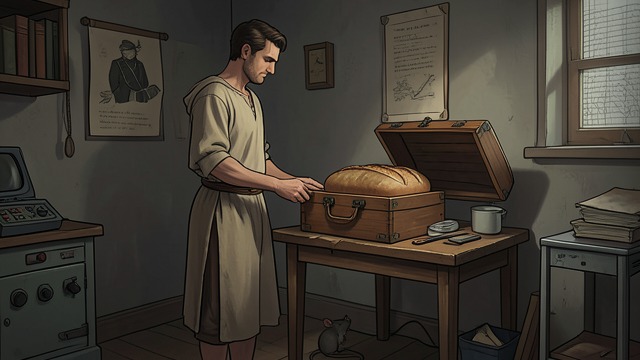
Ingenuity Meets Greater Control
The Chest Is Guarded
The priest secures votive bread and carefully counts what remains.
Hunger Improves the Method
Lázaro invents explanations involving mice and a snake, adapting whenever the priest blocks an opening.
The Squire’s Shared Meal
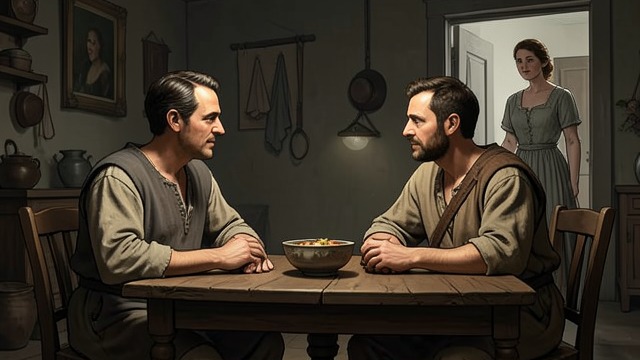
Need Alters the Moral Direction
Begging Instead of Stealing
Lázaro asks strangers for food and brings it home rather than taking from a stocked larder.
Care Becomes Possible
He feeds the squire, whose poverty transforms the servant’s hunger into an occasion for pity.
Comfort Without Innocence

Hunger’s Lessons Become a Way of Life
Food and Shelter Secured
Gifts, wages, and patronage finally give Lázaro a dependable household.
A New Compromise
His learned adaptability now serves silence and self-interest rather than the immediate struggle for bread.
During Lázaro’s early years after his father’s death
During the first stretch of Lázaro’s service to 盲人
During Lázaro’s service in Maqueda
During the first days in the squire’s house
At the close, after Lázaro’s appointment and marriage
