Lhasaero saved money by selling water and resigned from his post
Lazarillo de TormesLázaro’s water-selling employment marks a turning point in a life repeatedly shaped by hunger and dependence: for the first time, his work leaves him enough to eat and save, and after four years he can dress respectably and choose to leave the trade.
From Hunger to Regular Work
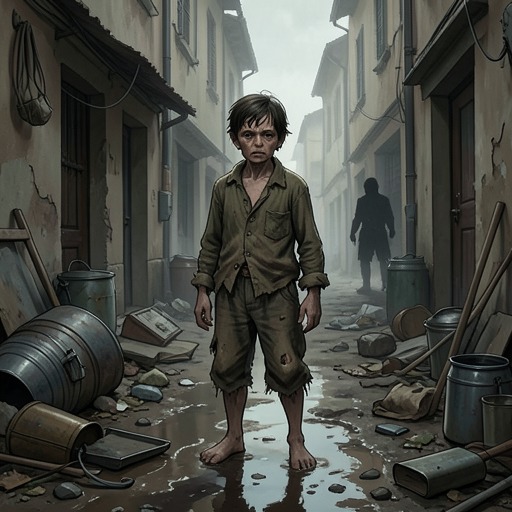
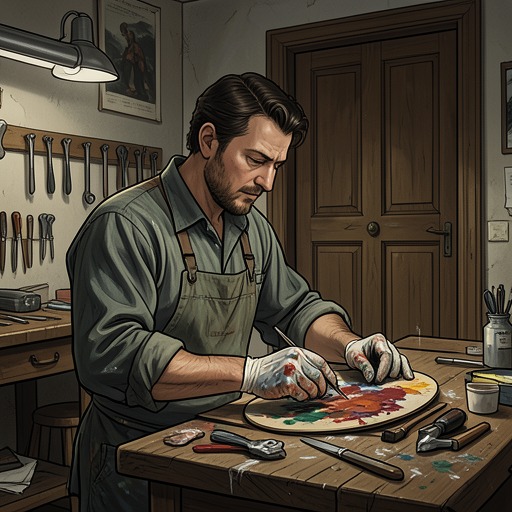
Before entering the chapel priest’s service, Lázaro works for a man who paints tambourines, grinding colors and enduring further hardship. At the cathedral, a chapel priest gives him a donkey, four water jars, and a whip, and sets him to selling water around the city. The job makes his stomach feel secure, a sharp contrast with earlier service under masters who withheld food. Hunger had driven him to outwit the blind man and the priest who kept bread locked away; with the impoverished squire, Lázaro had even begged alms to feed them both. Selling water replaces those precarious strategies with paid labor.
Earnings and Savings
The arrangement divides Lázaro’s income between his employer and himself: each day he hands over thirty maravedís and keeps the remainder, as well as everything he earns on Saturdays. The distinction between the daily payment and the Saturday proceeds gives him a small but accumulating share of the business. Rather than spending the gains at once, he keeps them safely, turning routine sales into a reserve that can change how he presents himself and what work he accepts.
Four Years and a New Appearance
The trade goes well enough that, within four years, Lázaro has saved to buy a respectable outfit, all second-hand: an old fustian doublet, a somewhat worn embroidered shirt with slashed sleeves, a cloak once covered in trimmings, and an old sword, described as one of the first from Cuéllar. These purchases are not evidence of wealth; their age and previous use make the limits of his means plain. Yet together they let him see himself dressed as a man of standing, a visible change secured through his own earnings rather than a master’s provision.
Leaving the Trade
Once he has acquired this clothing, Lázaro tells the chapel priest to take back the donkey because he no longer wants to continue selling water. The departure is an act of choice made possible by accumulated savings: he can relinquish a livelihood that has served its purpose instead of remaining bound to it indefinitely. The episode’s advance is modest and material—food, money set aside, clothing, and the freedom to quit—but it changes the terms of Lázaro’s dependence and prepares the way for his later search for safer work.