Morte di Tomé González nella spedizione contro i Mori
Lazarillo de TormesThe death of Tomé González in the expedition against the Moors is the first decisive rupture in Lázaro de Tormes’s life: it leaves him without a father and places the family’s survival on his widowed mother. The account joins an admitted theft and a sentence of justice to a death in military service, making Tomé’s fate both a family catastrophe and the beginning of the social vulnerability from which Lázaro’s story unfolds.
Background and Death
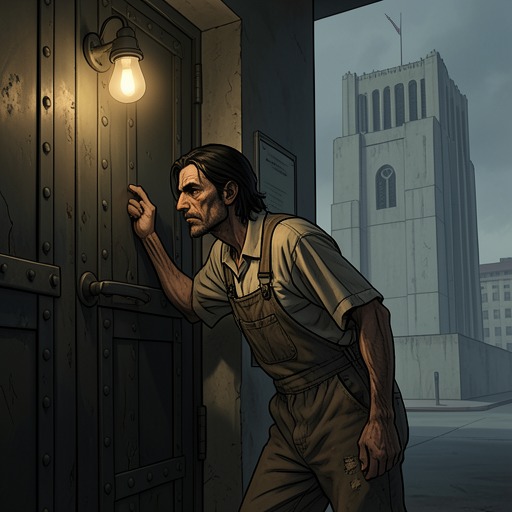
Tomé worked for more than fifteen years as a miller at a mill on the Tormes. When Lázaro was eight, Tomé was accused of making illicit deductions from the sacks brought there to be milled. He was imprisoned, confessed rather than denying the charge, and came under the prosecution of justice. The narrative gives no further details of the case or its proceedings.
During a campaign against the Moors, Tomé went as a muleteer in the service of a knight who took part in the expedition. He had been confined for the mill affair, yet entered the campaign in his lord’s service; there, the account says, he ended his life alongside that lord. His death is reported plainly, without a described battle scene, so its force lies in what follows for the household rather than in any account of combat.
Consequences for the Family
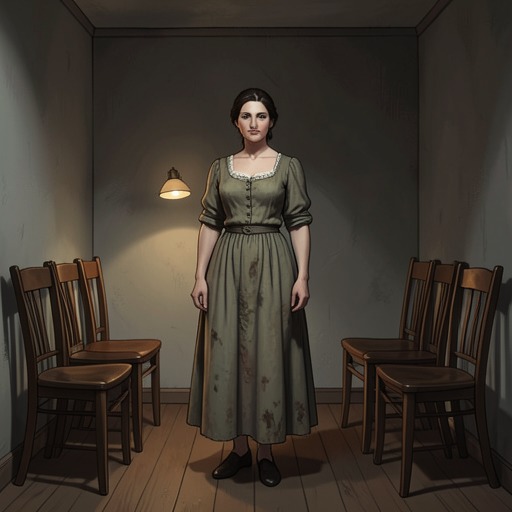
Widowed and without protection, Antona Pérez moved to the city and rented a small house. She cooked for students and washed clothes for stable boys attached to the Commendator of Magdalena, work that brought her into the stables and into contact with Zaide. Lázaro’s account links his father’s death to this new dependence on precarious labor: the family’s circumstances change, and the child grows up amid the unstable arrangements through which his mother tries to provide for them.
Tomé’s absence also becomes part of the story Lázaro’s mother tells when she entrusts him to the blind man. She presents her son as the child of a good man who died in the expedition of Gerba in the triumph of the faith, and asks that he be treated well. The phrasing gives Tomé’s death a pious and honorable cast suited to her appeal, while the earlier account has identified his imprisonment for theft. The two versions are not identical: the later one turns a compromised family history into a claim for the boy’s care.
Narrative Significance
Tomé’s death is a recalled event narrated by Lázaro as part of his account of who he is and where he comes from. His birth beside the river, his father’s imprisonment and death, and his mother’s subsequent search for work establish a life in which identity is inseparable from material circumstance. The episode does not present Tomé as a continuing presence in the action; instead, his absence shapes the conditions under which Lázaro is raised and eventually handed over to a new master.
The account’s contrast between confession and praise gives the episode its particular narrative tension. Tomé admits the offense for which he is prosecuted, yet his death in service to a knight becomes, in the mother’s later appeal, a death for the faith. That change in emphasis shows how the past can be adapted to a present need: the story of the father helps explain the son’s vulnerability, but also supplies the language with which his mother tries to secure his future.