
The Motif of Fate and Forewarning
Le Morte d'ArthurThis flow traces prophecies and signs that warn characters of disaster, while showing how their responses help fulfill what they fear.
increasing Bearing strength in each event
 decreasing
Bearing strength in each eventdecreasingMerlin’s Warning
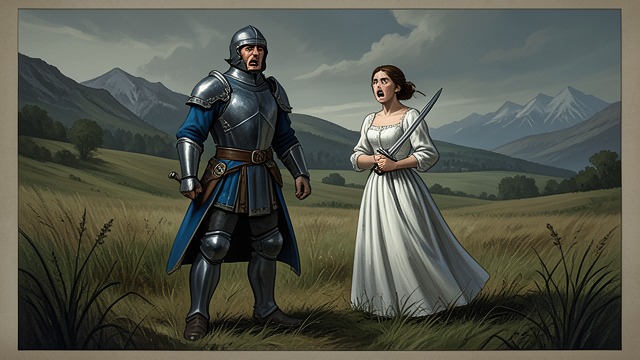
A Future Is Announced
The prophecy
Merlin tells Arthur that a child born to his sister will destroy him and the fellowship. The warning gives the king knowledge without giving him a sure means of escape.
Fear shapes action
Arthur tries to remove the threat through force, sending May-born children to sea. The attempt illustrates how fear of fate can create new suffering without changing the predicted end.
Balin’s Foretold Blow
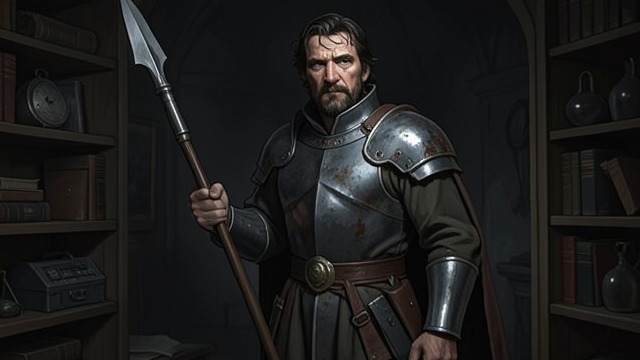
A Warning Dismissed
Merlin names the danger
Merlin tells Balin that he will strike the Dolorous Stroke and bring misery to kingdoms. Balin answers with defiance instead of seeking another course.
Fate becomes action
The prophecy comes true when Balin wounds Pellam with the sacred spear. The story presents fate not as an excuse, but as a warning that characters can choose to heed or ignore.
Signs Before the Grail
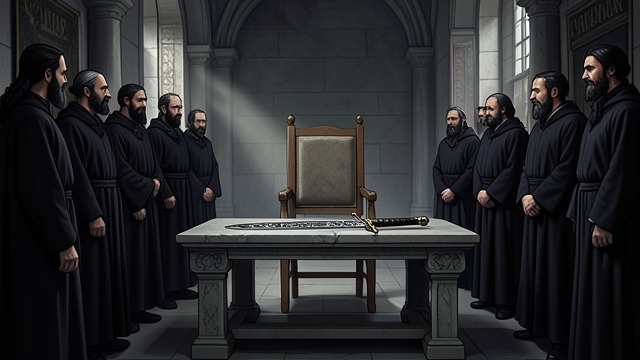
The Court Reads Omens
A seat awaits its knight
The empty Siege Perilous and the sword’s inscriptions prepare the court for a promised arrival. The signs are public, but their meaning remains beyond ordinary judgment.
Recognition follows revelation
Galahad’s coming confirms what the signs foretold. The court must respond to an event it can witness but cannot control.
Gawaine’s Dream of White Bulls
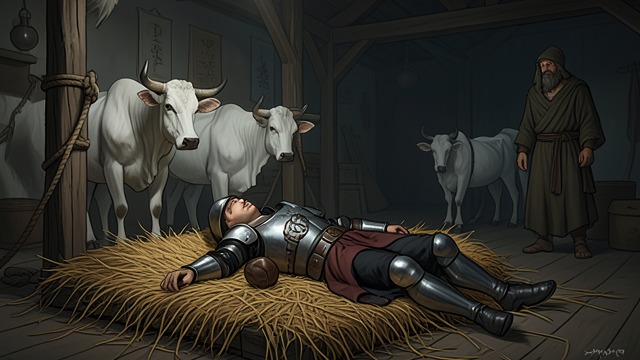
A Vision Interpreted
The dream’s images
Gawaine sees white bulls, some tethered and some wandering, and later receives an explanation from an hermit. The vision measures the knights’ condition through symbolic purity and fellowship.
Knowledge without achievement
Gawaine understands something of his failure, but understanding does not make him able to complete the quest. The vision deepens self-knowledge without granting a spiritual shortcut.
Arthur’s Final Dream
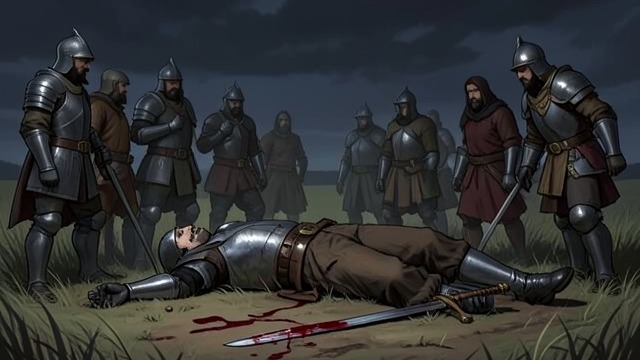
A Warning Arrives Too Late
Gawaine returns in a vision
The dead Gawaine tells Arthur that battle should not be fought that day and promises that Launcelot may still help. His warning connects personal remorse to a last chance for political restraint.
The battle proceeds
Arthur attempts a truce, but the adder’s sting causes the swords to be drawn. The dream does not prevent disaster; it makes the king’s failure to stop it more poignant.
After Arthur’s early battles, when Merlin reveals his lineage
Before the fatal encounter with King Pellam
On the eve of Galahad’s arrival at Camelot
During the Grail quest, after Gawaine’s strength fails
The night before the last battle at Salisbury
