
Marriage, Chastity, and Desire
Le Morte d'ArthurThis flow traces the book’s competing ideals of marriage, chastity, courtly love, and the destructive consequences of desire without fidelity.
increasing Bearing strength in each event
 decreasing
Bearing strength in each eventdecreasingArthur Chooses Guenever
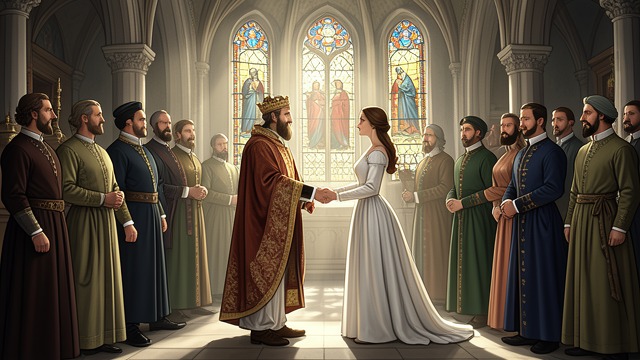
Marriage Begins Under Warning
A king chooses his bride
Arthur loves Guenever and asks Merlin for counsel. Merlin warns that Launcelot will love her, and she him, but Arthur proceeds toward marriage.
An ideal left uncertain
The marriage establishes a public bond, yet the warning places a conflict inside it from the beginning. The story will measure courtly devotion against the obligations of marriage.
The Grail’s Chaste Knights
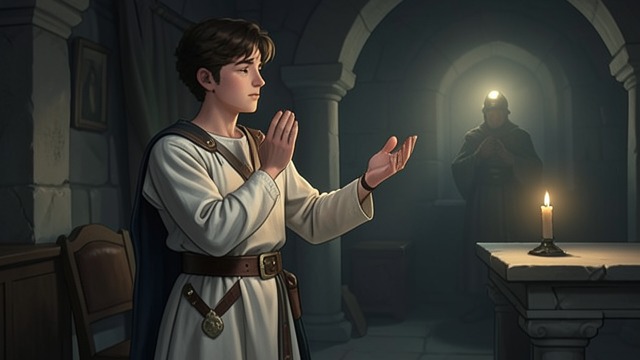
Purity as a Spiritual Requirement
A different kind of strength
Galahad’s virginity and spiritual discipline allow him to approach the Grail. Other knights, despite their courage, cannot reach the same goal.
Desire is tested
The quest asks whether a knight can govern bodily and emotional impulses. It does not deny love’s power, but makes self-command essential to spiritual achievement.
Courtly Love and Its Contradictions
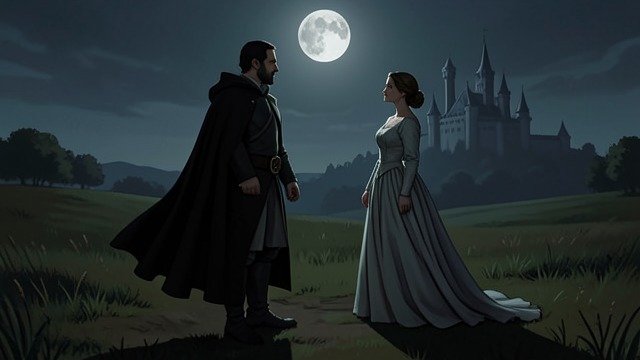
Love Inspires and Injures
A lover’s service
Knights undertake danger for ladies and claim that love gives courage and purpose. Tristram and Launcelot gain renown while pursuing attachments that conflict with public duties.
Desire can become destructive
The introduction notes that Malory’s society does not consistently distinguish virtue from vice. The lovers’ honor and tenderness coexist with betrayal, jealousy, and social harm.
Marriage as Moral Ideal
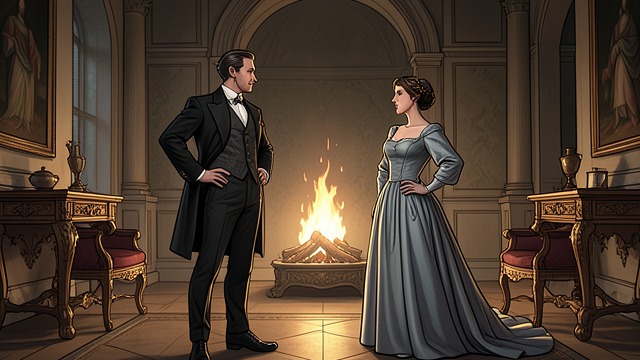
The Household as a Standard
A missing ideal
The introduction argues that the book does not clearly present marriage as the highest human relation. Celibate holiness and passionate love receive more attention than faithful married life.
A later reinterpretation
The author contrasts Malory with writers who make marriage a source of moral order and forgiveness. The comparison reframes the book’s love stories as historically revealing, not morally complete.
The Cost of Unfaithful Love
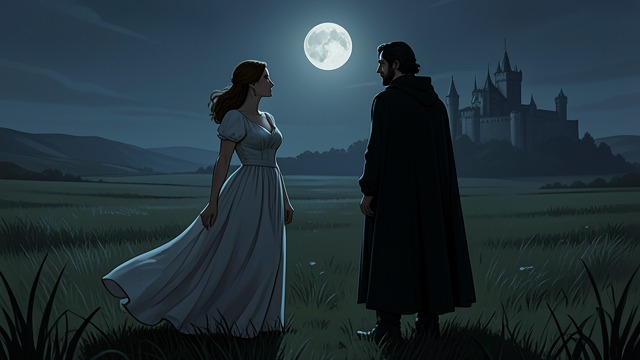
Private Desire Becomes Public Ruin
Accusation and violence
The relationship between Guenever and Launcelot leads to trial, rescue, and war. Their love remains emotionally powerful but cannot be separated from the deaths and political fractures around them.
A tragic judgment
The ending turns passion toward repentance and loss. The book allows readers to feel the lovers’ grief while also showing the damage their choices bring to others.
Before their wedding, after Merlin warns the king
During the Grail quest
During Tristram’s and Launcelot’s later adventures
In the introduction’s comparison with later literature
After Guenever’s affair is exposed
