
Women’s Agency in a Knightly World
Le Morte d'ArthurThis flow traces how women influence choices and pursue safety in a culture that praises their honor while repeatedly placing them at risk.
increasing Bearing strength in each event
 decreasing
Bearing strength in each eventdecreasingIgraine Reads the Danger

Judgment Before the Court
A woman sees the threat
Igraine suspects that Uther’s invitation is meant to compromise her and urges her husband to depart. Her interpretation proves sound even though she cannot control the king’s power.
Honor cannot guarantee safety
The narrative gives Igraine intelligence and moral clarity, yet the deception arranged by Merlin overrides her resistance. Women’s honor is praised within a system that leaves them exposed.
The Queen’s Court of Ladies
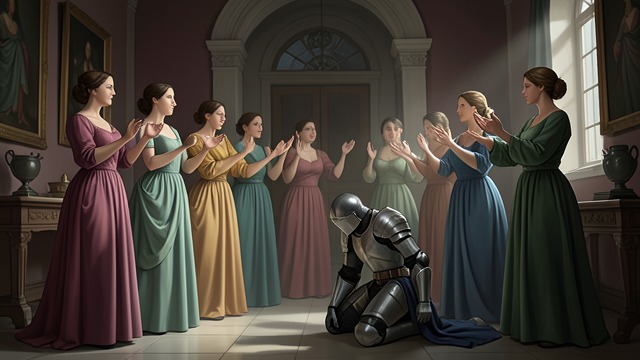
Women Judge a Knight
A wrong is made public
Gawaine’s refusal of mercy ends with the lady’s death. The women at court do not let the incident pass as an ordinary accident.
A lifelong charge
They require Gawaine to defend women and grant mercy. Their collective judgment influences a leading knight’s conduct and shows that women can shape the code they are expected to obey.
Liones Chooses Gareth
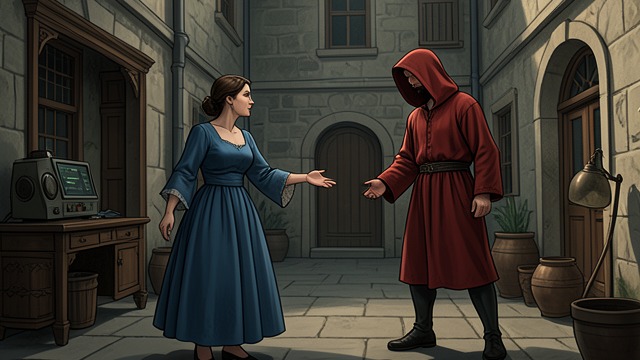
A Lady’s Choice Matters
Liones tests a suitor
Liones initially withholds her love, asking Gareth to continue proving himself. Her choice shapes the terms of their courtship rather than simply rewarding his success.
Consent is voiced
At the wedding, Liones tells Arthur that she prefers Gareth to any king or prince. The scene gives a woman’s stated preference a public and decisive role.
Isoud’s Resistance and Loyalty
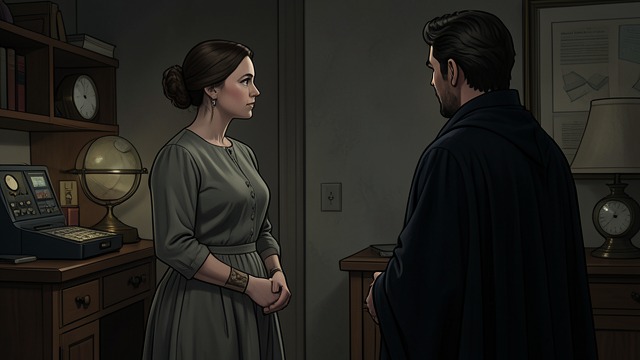
A Queen Negotiates Constraint
A promise offered too quickly
Isoud promises Palamides a boon to recover Bragwaine, then resists when he demands control over her. She has limited freedom, but still speaks, judges, and chooses where she can.
Loyalty carries risk
She remains devoted to Tristram through exile and separation. That attachment exposes her to suspicion and confinement, but it is also the relationship she continues to claim as her own.
A Nun’s Authority
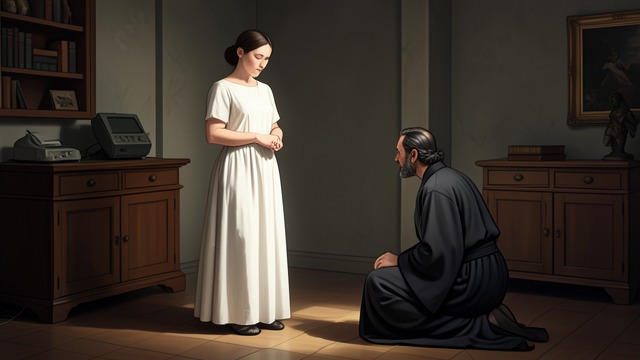
A Queen Defines Her Ending
Guenever leaves the court
Guenever chooses life as a nun, dedicating herself to prayer, fasting, and charitable works. She refuses the role of lover or political prize in her final years.
Her request is honored
Before death, she asks Arthur to be buried beside her. That choice gives her a final say in the story’s arrangement of marriage, grief, and memory.
At the opening, when Uther summons her and her husband
After Gawaine’s accidental killing of a lady
After Gareth reaches the Castle Dangerous
During her marriage to King Mark and Tristram’s absences
After Arthur’s death, at Almesbury
