
The Book’s Moral Invitation
Le Morte d'ArthurThis flow traces how the preface frames the stories as both entertainment and instruction, inviting readers to distinguish virtue from vice.
increasing Bearing strength in each event
 decreasing
Bearing strength in each eventdecreasingCaxton Defends the Story
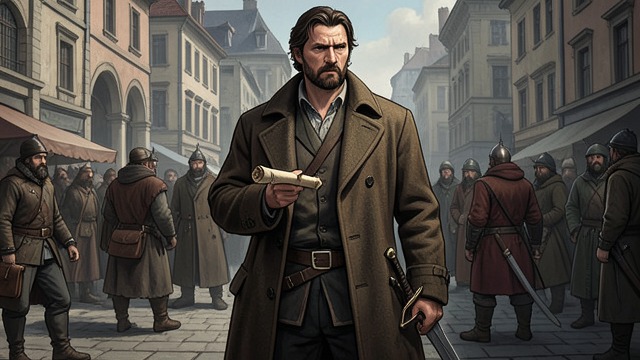
History, Legend, and Belief
The question of Arthur’s existence
Caxton reports that some doubted whether Arthur existed, while others cited tombs, relics, and chronicles. The preface does not require readers to believe every marvelous episode.
The story has a purpose
Caxton presents the narrative as a source of noble and pleasant histories. Readers may accept the truth of events freely while still learning from them.
Good Deeds and Bad
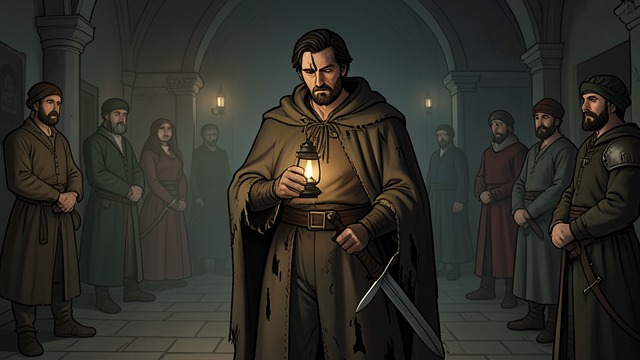
Readers Are Asked to Choose
Virtue is listed beside vice
Caxton says the book contains courtesy, friendship, courage, murder, hate, virtue, and sin. The mixed catalogue makes clear that the story does not portray every knightly deed as good.
The reader receives a charge
The preface asks readers to follow the good and leave the evil. The moral work of the book therefore depends on judgment, not imitation without thought.
Ascham’s Objection
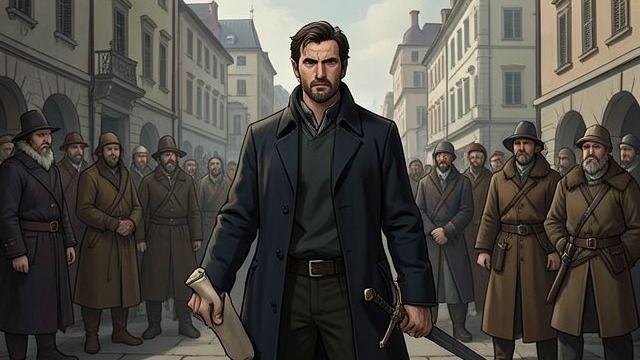
Romance Under Suspicion
A charge against the book
Roger Ascham condemns the stories’ battles and sexual misconduct, arguing that they may harm readers. His criticism treats popular romance as a moral risk.
The introduction answers partly
The editor accepts that some of Ascham’s complaint has force, but argues that he overlooks the book’s moral lessons and its condemnations of lawless love.
The Tragic Ending as Judgment
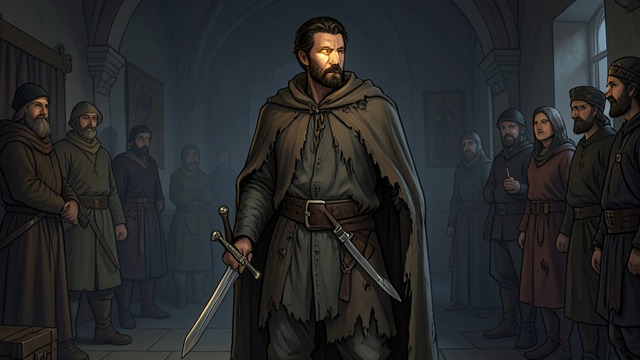
Consequences Speak
Love is not simply praised
The tragedy of Arthur, Guenever, and Launcelot gives weight to the harm their relationship causes. The book’s ending supplies a judgment that the earlier narrative sometimes leaves unclear.
Virtue and vice coexist
The characters possess genuine courage, courtesy, and tenderness, yet also commit grave wrongs. The reader is asked to hold both truths together.
A Legacy for Later Writers
The Story Changes with Its Readers
New forms inherit old material
Spenser and Milton draw upon Arthurian romance, while later writers transform its ideals into new literary forms. Malory’s book becomes a store of characters and moral images.
Influence without repetition
Later works revise the older story rather than merely repeat it. The introduction presents this change as an ongoing conversation about chivalry, marriage, and the nation’s character.
In the preface before the first book
At the close of the preface
In the introduction’s discussion of sixteenth-century criticism
In the introduction’s reading of Launcelot and Guenever’s fate
From Spenser and Milton to Tennyson
