
The Story’s Geography and Legendary Memory
Le Morte d'ArthurThis flow traces how places associated with Arthur blend imagined geography, local traditions, and the cultural memory of later readers.
increasing Bearing strength in each event
 decreasing
Bearing strength in each eventdecreasingCamelot and Competing Places
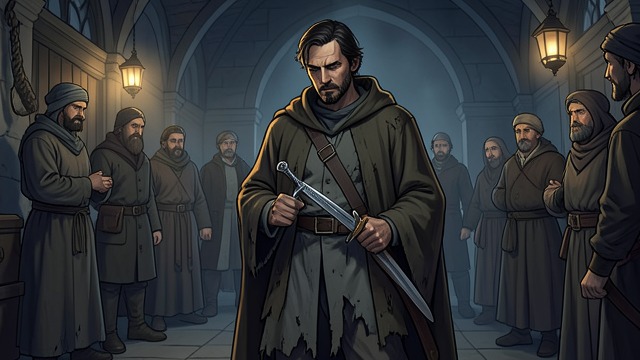
A Court Without Fixed Geography
Several places claim Camelot
The introduction notes that Malory connects Camelot with more than one city, while local traditions identify a Somerset hillfort with Arthur’s seat. The story allows places to overlap.
Legend shapes the map
The shifting geography makes Arthur’s world feel both familiar and unreachable. Local names become anchors for a history that cannot be established by ordinary chronology.
Glastonbury and Arthur’s Grave
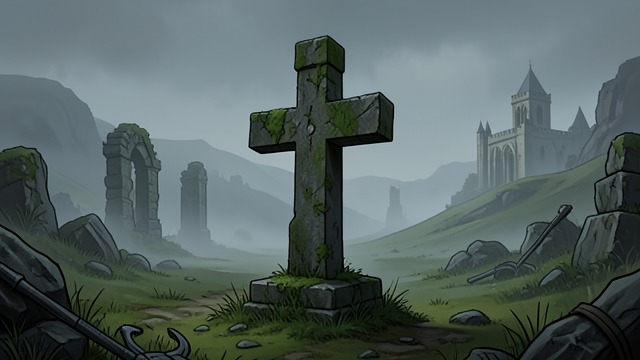
A Grave Supports the Legend
A claimed resting place
Caxton invokes Glastonbury as evidence that Arthur existed, and later legend says Arthur and Guenever were buried there. The claim places the romance within a landscape of relics and monasteries.
Memory outlasts certainty
The introduction distinguishes report and legend from verified history. Glastonbury remains meaningful because communities use place to preserve the story.
Almesbury’s Abbey
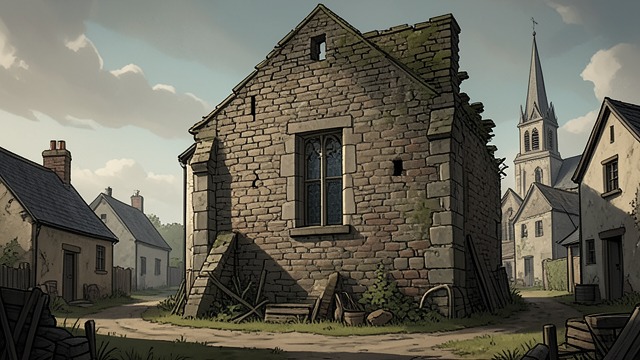
A Place of Retreat
The queen leaves the court
Guenever enters the nunnery at Almesbury and devotes herself to penance. The town becomes the setting for her withdrawal from public power.
A memory attached to place
The abbey’s ruins and name preserve the story of her last years. The introduction connects this fictional history to places readers can still encounter.
Tintagil’s Ruins
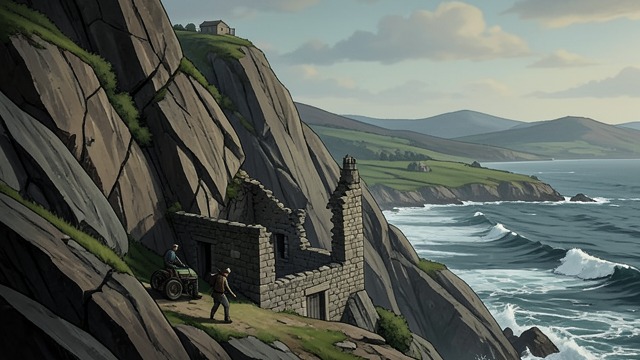
The Story Opens in Cornwall
A castle of secrecy
Tintagil is the stronghold where Igraine is sent and where Arthur is conceived under disguise. Its dramatic role links the royal beginning to the Cornish landscape.
Ruins become evidence
The introduction notes that the castle ruins remain visible. Local remains lend texture to the romance, even though they cannot prove its events.
Joyous Gard and Its Afterlife
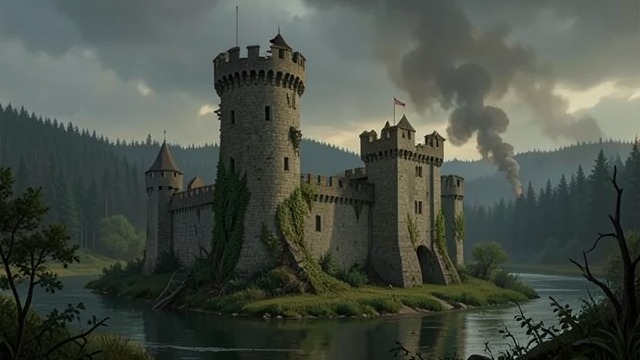
A Castle Changes Its Meaning
A knight’s refuge
Joyous Gard serves Launcelot as a stronghold and a place of shelter. Arthur later lays siege to it, turning the beloved castle into a sign of division.
A grave closes the story
Launcelot is carried back there for burial. Its name remains attached to his glory, conflict, and final penitence.
In the early Arthurian reign, when the court moves between cities
After the final wars, as Arthur’s burial is remembered
After Arthur’s death, when Guenever becomes a nun
At the beginning of Arthur’s story, as Uther seeks Igraine
From Launcelot’s siege to his burial
