Pentecost
Le Morte d'ArthurPentecost is both a recurring religious feast and a structural turning point in Malory’s account of King Arthur’s court. At its annual observance the Round Table knights renew their oaths; at a decisive vigil the Holy Grail appears before the court, and the knights pledge themselves to its quest. The feast thus joins the fellowship’s established code to a spiritual trial that will distinguish earthly prowess from religious worth.
The Annual Oath
After the adventures surrounding King Pellinore’s quest, King Arthur establishes rules for the knights of the Round Table. They must not commit outrage or murder, must flee treason, show mercy to those who ask it, and aid ladies and gentlewomen, on pain of losing their worship and lordship. The king also forbids them to fight in a wrongful quarrel for law or worldly goods. The knights swear to these charges, and the text says that they renew the oath every year at the high feast of Pentecost.
The yearly repetition makes the feast a recurring point of order in the court’s life: the fellowship is not merely assembled but reminded of the conduct that gives its fellowship meaning. The oath’s penalties tie reputation and lordship to the exercise of restraint, mercy, and protection. Pentecost therefore marks an ethical renewal, even as the episodes of adventure continually test whether those obligations can be kept.
The Feast and the Grail
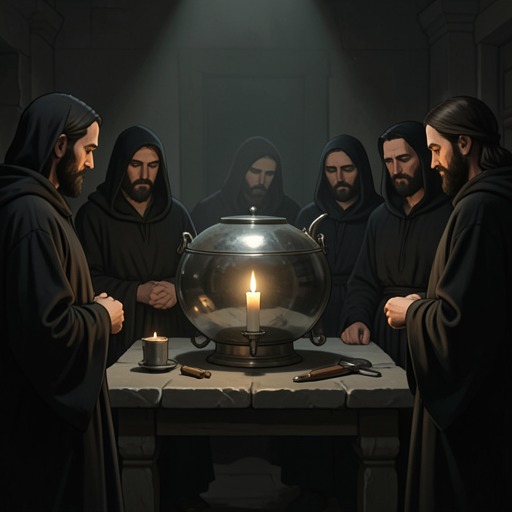
The feast becomes the setting for a more extraordinary appearance when, at the vigil of Pentecost, a damsel comes into the hall and asks Sir Launcelot to accompany her so that he can dub a knight. The next chapters bring the marvels of the Siege Perilous and the sword in the stone into the court’s attention. When the knights gather again, Queen Guenever asks to see Galahad; then the fellowship is replenished by the Holy Grail, and the knights vow to undertake its quest.
The movement from an annual oath to a quest is significant. The knights begin with a familiar institution and its rules, but the Grail’s presence calls them beyond ordinary courtly obligations. Their departure is met with great sorrow among King Arthur and the ladies, making the new spiritual undertaking a rupture in the community as well as a collective commitment.
Sacred Time and the Quest
The Grail episode belongs to a broader Christian history described in the account of the vessel. The Grail is associated with the dish that held the paschal lamb at the Last Supper and with Joseph of Arimathea, who is said to have received Jesus’s blood in it and brought it to England. In the Grail’s appearance at the Pentecost feast, the vessel passes through the hall unseen by its bearers, while its presence fills the hall with good odours and provides each knight with the food and drink he most desires. It then departs suddenly.
The later Grail narrative intensifies this sacred register. At the table of silver, Joseph, identified as the first bishop of Christendom, appears with angels and the bleeding Holy Spear; the vision culminates in the knights receiving the sacred food. These episodes place the Pentecost feast within a narrative of Christian revelation rather than treating it only as a date in the court calendar. The annual gathering renews the knights’ earthly code, while the Grail’s appearance turns that gathering toward a spiritual measure of their lives.