
Mercy, Penance, and the Meaning of Honor
Le Morte d'ArthurThis flow traces recurring choices between vengeance and mercy, and the story’s changing demands on a knight’s conscience.
increasing Bearing strength in each event
 decreasing
Bearing strength in each eventdecreasingAn Oath of Mercy
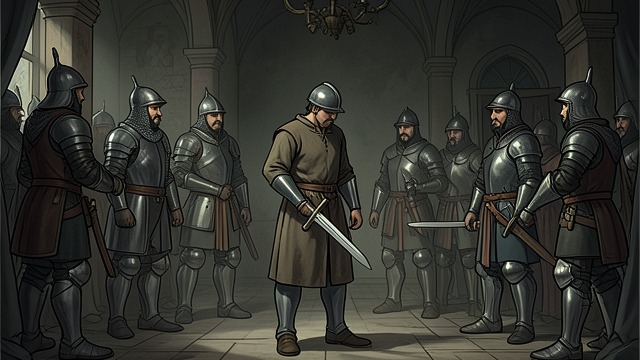
Honor Requires Restraint
The king’s rule
Arthur charges his knights to avoid murder and treason, and to grant mercy to those who ask. The oath places restraint alongside courage as a condition of knighthood.
A lasting standard
The rule is tested whenever defeated knights beg for their lives. Characters who follow it preserve relationships; those who ignore it carry consequences into later conflicts.
Balin’s Refusal to Turn Back
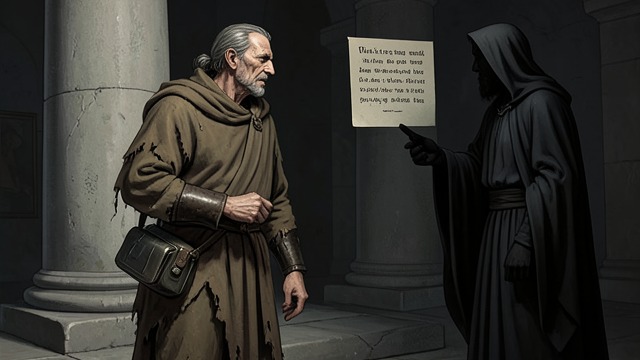
Fate and Responsibility
A prophecy is rejected
Balin hears Merlin foretell the Dolorous Stroke but says he would rather die than make the prophecy a lie. His defiance does not free him from responsibility; it helps make the forecast real.
Consequences outlive intent
The stroke devastates lands and wounds Pellam. The story places personal courage beside a larger question: whether brave action can still be wrong in its effects.
Gareth’s Chosen Mercy
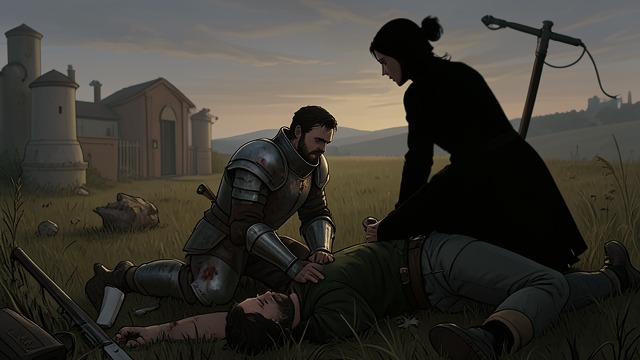
Victory Does Not Require Cruelty
A defeated enemy pleads
The Red Knight asks for mercy after losing the battle. Gareth considers the harm he has done, but also recognizes that his cruelty was encouraged by a woman’s request.
Accountability without vengeance
Gareth spares him on conditions: amends must be made, and he must answer to Arthur’s court. The decision turns victory into a chance for moral correction.
The Grail Tests the Knights
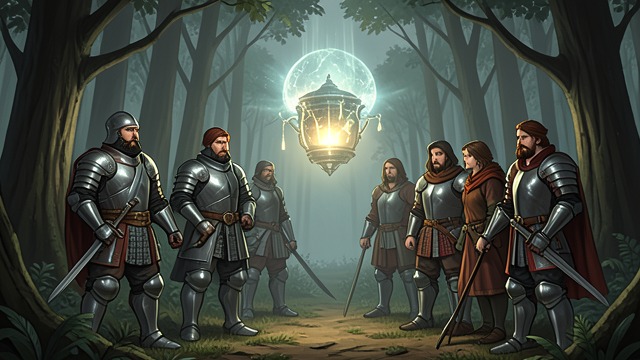
Worldly Skill Is Insufficient
A different measure
The Grail quest demands purity, confession, and humility. Knights who once excelled in battle discover that their familiar virtues do not guarantee spiritual worth.
Launcelot’s limit
Launcelot reaches the Grail’s threshold but is denied full access because of sin. His failure makes the distinction between earthly reputation and spiritual fitness visible.
Launcelot’s Late Penance
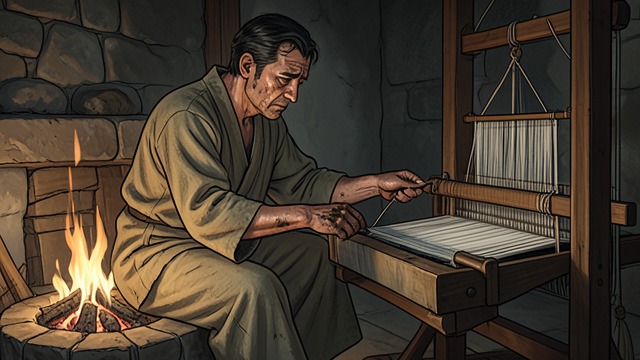
The Cost of Sin Is Remembered
Confession through grief
Launcelot admits that pride and unkindness helped bring Arthur and Guenever low. His grief is not presented as a simple punishment but as recognition of his responsibility.
A changed life
He becomes a priest and hermit, serving others through bodily work and prayer. The story leaves him with penitence rather than worldly triumph.
After Arthur’s first major battles
During Balin’s final adventures
After Gareth defeats the Red Knight
After the Grail appears at Camelot
After Guenever’s death and burial
