
The Motif of Hidden Identity
Le Morte d'ArthurThis flow traces how disguises, secrets, and delayed recognition shape authority, love, and conflict across Arthur’s world.
increasing Bearing strength in each event
 decreasing
Bearing strength in each eventdecreasingArthur’s Concealed Birth
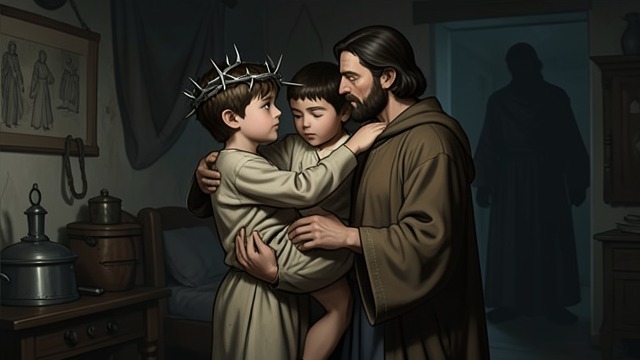
A King Without a Known Heir
Birth under deception
Merlin’s transformation allows Uther Pendragon to reach Igraine while concealing his identity. Arthur’s birth is therefore linked to both royal legitimacy and deception.
A secret shapes a life
Sir Ector raises Arthur without revealing his parentage. When the truth comes, it changes the meaning of his childhood and his claim to rule.
Balin and the Poor Disguise
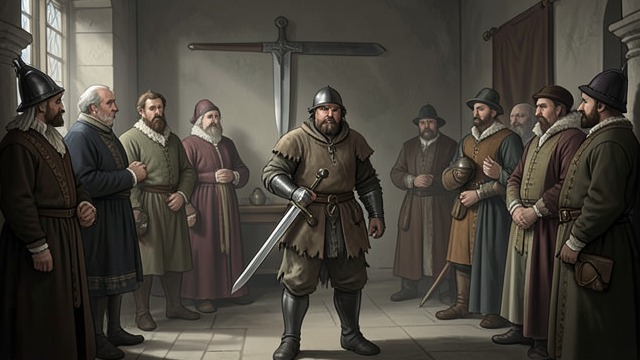
Appearance Misleads the Court
A knight judged by clothing
Balin’s poverty leads others to underestimate him, although he can draw the enchanted sword. His action exposes the difference between visible rank and hidden merit.
Identity remains incomplete
Balin refuses to surrender the sword and leaves under Arthur’s displeasure. Recognition arrives too late to prevent his tragic progress toward the Dolorous Stroke.
Gareth Becomes Beaumains
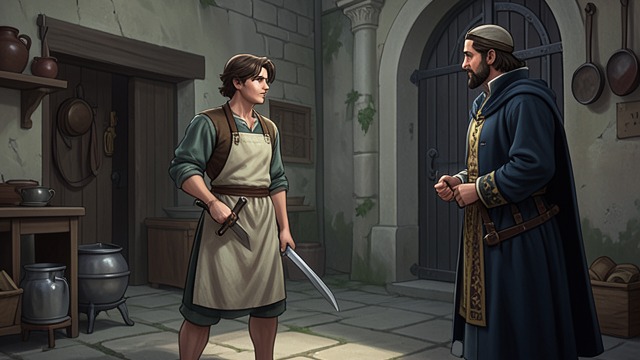
A Name Given in Mockery
Hidden lineage
Gareth conceals his identity while serving as a kitchen boy. Sir Kay gives him the name Beaumains, not knowing the young man is Arthur’s nephew.
Recognition through action
Gareth’s victories make the false name a source of honor rather than shame. His identity becomes public only after his deeds have already established his worth.
Tristram’s Alias in Ireland
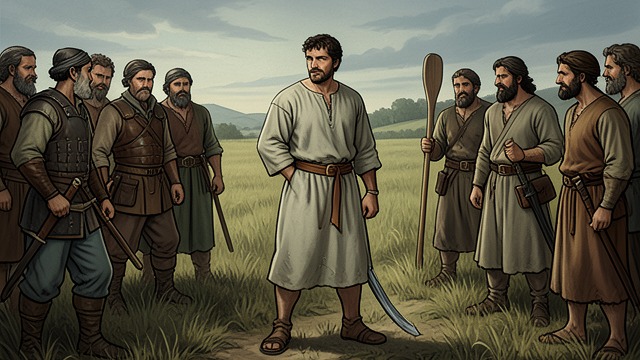
A Name Conceals a Killer
A changed identity
Tristram calls himself Tramtrist while recovering in Ireland. The alias prevents his hosts from knowing that he killed Marhaus, a beloved knight and the queen’s brother.
Discovery through the sword
The broken sword later reveals the truth. Tristram must answer for his identity, but King Anguish honors the courage of the fight and allows him to depart.
The Black- and Red-Shield Knights
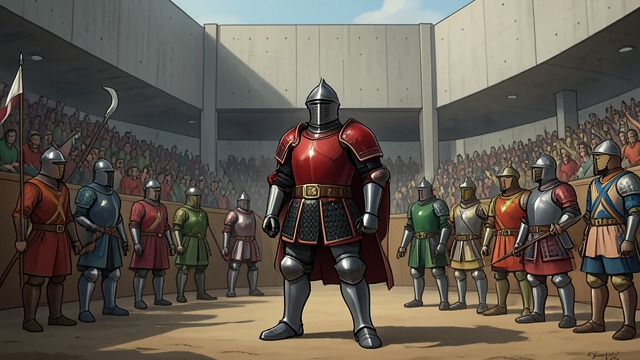
Disguise Controls Reputation
Sir Tristram hides his identity
Tristram and other knights enter tournaments in unfamiliar colors and shields. A disguised knight can act without the court’s expectations, but his deeds still create a reputation.
Recognition changes the contest
When names become known, rivalry and allegiance return. The motif shows how identity can be concealed temporarily, but conduct eventually makes the knight legible to others.
At the opening of the story, during Uther’s reign
During the sword-bearing damsel’s visit to Arthur’s court
During Gareth’s year in the royal kitchen
After Sir Marhaus wounds him and he arrives in Ireland
During the Castle of Maidens tournament
