
The Round Table’s Moral Code
Le Morte d'ArthurThis flow traces the ideals Arthur’s knights inherit and the repeated contradictions between their vows and their actions.
increasing Bearing strength in each event
 decreasing
Bearing strength in each eventdecreasingThe Knight’s Oath
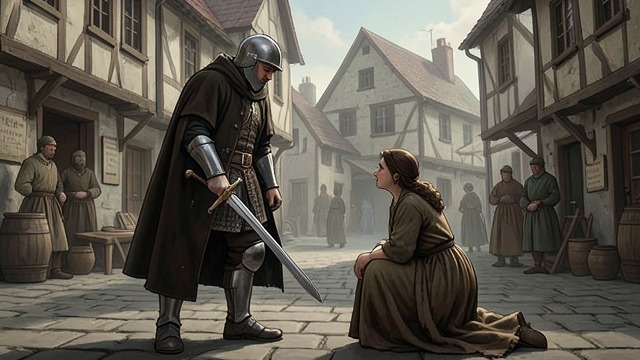
Knighthood as Service
Duties named
Arthur’s knights swear to avoid outrage, murder, and treason, and to assist ladies and the vulnerable. The oath gives their strength a social purpose.
An ideal tested in practice
The story repeatedly measures knights against these commitments. Their failures matter because the standard is already known and publicly accepted.
Gawaine’s Penance
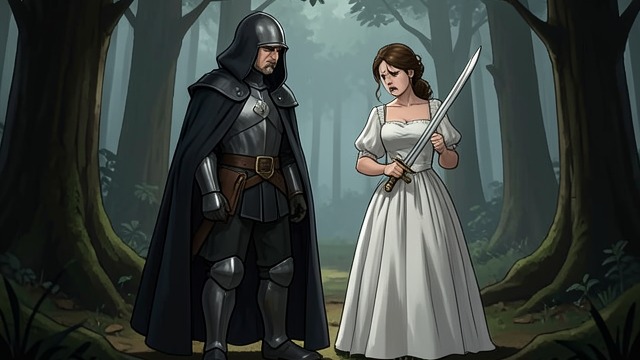
Mercy Becomes a Requirement
A mistake is judged
Gawaine kills a woman by accident and initially refuses mercy to her lover. The queen and her ladies assign him a lifelong duty to defend women and grant mercy when asked.
A vow with contradictions
Gawaine later behaves with generosity in some encounters, yet his anger and vengeance repeatedly overwhelm the ideal. His story tests whether a public oath can change character.
Gareth’s Courtesy Under Insult
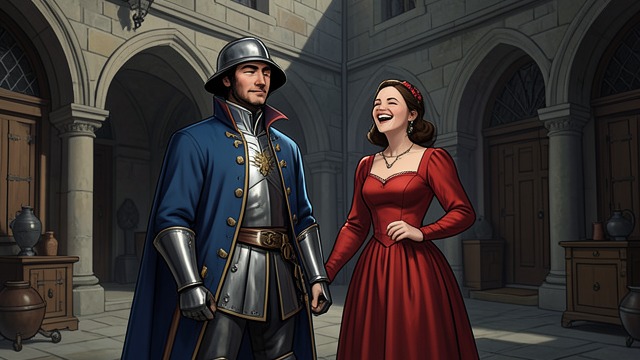
Restraint Is Strength
Linet’s insults
Linet repeatedly calls Gareth a kitchen knave, even as he defeats knights. He chooses not to punish her for the insults or abandon the quest.
A different model of valor
His patience shows courtesy as an active discipline, not mere politeness. Gareth’s actions offer a counterexample to knights who equate honor with retaliation.
Sir Palamides and Christian Belonging
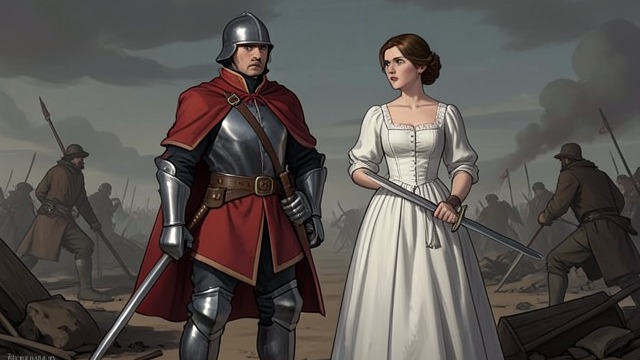
A Knight Outside the Faith
Recognition without full belonging
Palamides is praised for courage and honor, yet remains a Saracen and is not baptized. His status creates a tension between human excellence and the spiritual community represented by the Grail.
A vow remains unfulfilled
He promises baptism after a set of battles but continues to postpone it. The narrative distinguishes outward prowess from the inward commitment the quest demands.
A Court Collapses Its Own Code
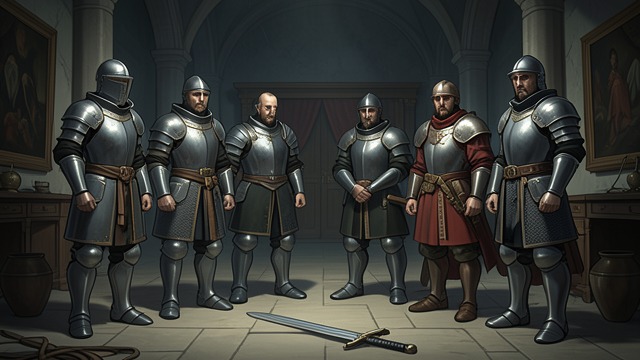
Honor Is Overwhelmed
Oaths fail under pressure
Knights who once swore loyalty and restraint join factions, pursue revenge, and kill former companions. The Round Table’s moral language remains, but no longer controls the violence.
The fellowship ends
Arthur’s death follows a battle that neither law nor courtesy can prevent. The collapse suggests that ideals require ongoing practice; once severed from mercy, they cannot preserve a kingdom.
At the establishment of the Round Table
After he kills the lady at the white hart adventure
During his journey to rescue Dame Liones
After Palamides joins the Grail-era tournaments
During the final conflict between Arthur and Mordred
