
A Knight’s Promise to His Lady
Le Morte d'ArthurThis flow traces the lover-knight ideal from youthful devotion to its contradictions in the lives of Tristram, Launcelot, and their beloved women.
increasing Bearing strength in each event
 decreasing
Bearing strength in each eventdecreasingAmadis and Oriana as Model
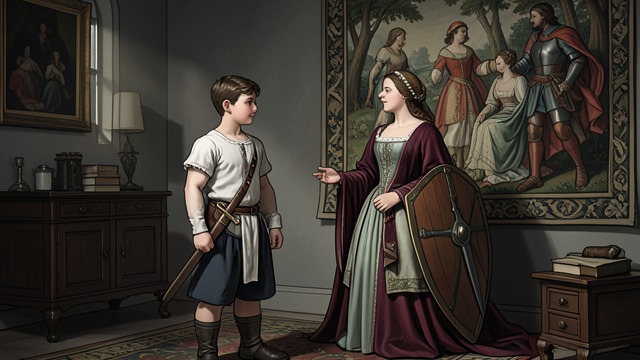
Love as a Discipline
Childhood service
A page learns to serve a lady before he becomes a knight. The story of Amadis and Oriana presents lasting devotion as a model for chivalric identity.
Constancy wins esteem
The ideal asks a knight to remain faithful through distance and uncertainty. Later relationships in the book test whether such constancy can coexist with marriage and public duty.
Gareth’s Patient Courtship
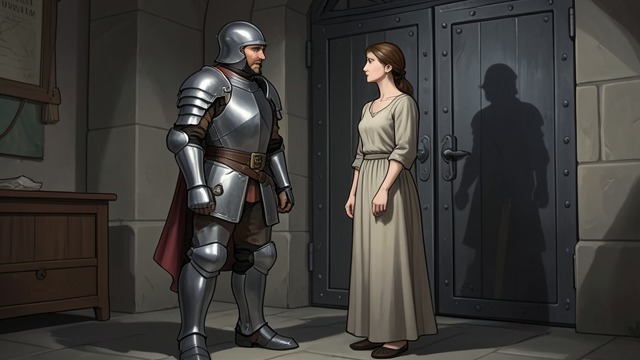
A Lover Endures Scorn
Service precedes reward
Gareth follows Linet while she insults him and refuses to treat him as a worthy knight. His persistence is grounded in the promised quest, not a demand for immediate affection.
Love becomes reciprocal
After Liones recognizes his deeds, she declares that she loves him. Their courtship joins service with consent, unlike relationships built on force or deception.
Tristram’s Unresolved Devotion
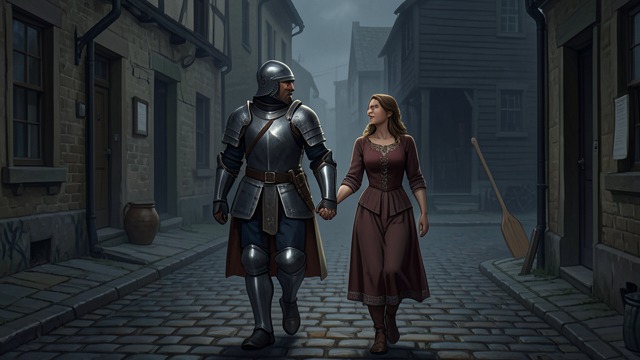
Love Conflicts with Duty
A promise is carried out
Tristram brings Isoud to marry his uncle, fulfilling his mission even as the love potion binds them to each other. Public duty and personal desire now point in different directions.
The affair persists
Their attachment brings repeated separation and danger. The story honors the intensity of their love while showing its conflict with marital obligations and political loyalty.
Palamides’ Unrequited Service
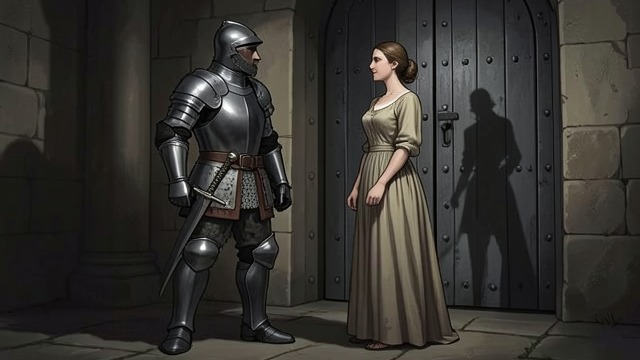
Service Without Possession
The Saracen pursues Isoud
Palamides performs deeds of arms for Isoud, hoping to win her love. She does not choose him, and his service cannot overcome the bond she shares with Tristram.
Love becomes rivalry
Palamides’ devotion shifts into resentment and repeated challenges, but also occasions acts of mercy. His story tests whether a lover can serve without claiming the beloved as property.
Love Ends in Grief
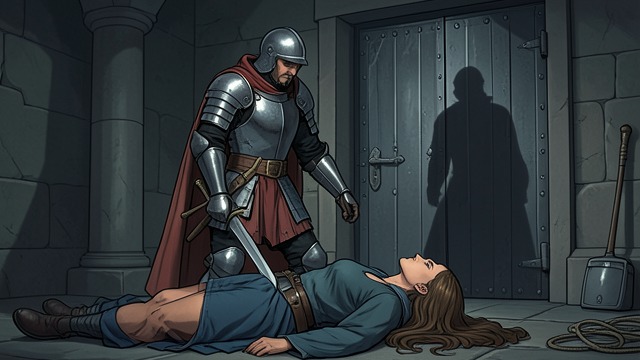
Devotion Cannot Undo Harm
Two lovers are lost
Tristram dies through Mark’s treachery, and Isoud dies from sorrow. Their love remains strong, but it has not protected them from the consequences of their choices and the hostility around them.
A tragic ideal
Their story preserves the lover-knight ideal while asking what it costs when desire outlives public duty. Affection becomes memorable precisely because it cannot establish a peaceful life.
In the introduction’s account of knightly education
During his journey with Linet
After Isoud marries King Mark
During the years of his pursuit of Isoud
After Tristram and Isoud die
