Meister Eckhart–Henry Suso relationship
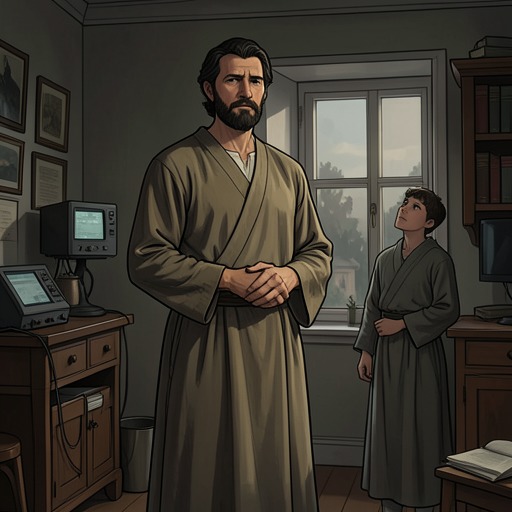
LongingThe relationship between Meister Eckhart and Henry Suso joined spiritual influence to public controversy. Suso studied in centers of German Dominican life where he would have encountered Eckhart, drew on Eckhart’s ideas in his teaching, and later defended him in writing; Suso’s account of a vision also presents Eckhart as a source of spiritual instruction. The record, however, leaves the precise nature of their personal relationship unclear.
Study and Influence
Suso’s intellectual ability was recognized by his order, which sent him first to Strasbourg and later to the studium generale in Cologne, the intellectual center of German Dominican life. The account says that he would have met Eckhart in both places, while also noting that details of their relationship are lacking. It presents Eckhart as a major influence on Suso’s mystical life, but does not specify the circumstances or extent of their contact.
That influence also entered Suso’s teaching. After returning to his home convent, he became a lector, or teacher, and used Eckhart’s ideas in his instruction. This made the relationship more than a matter of possible personal contact: Eckhart’s thought became part of Suso’s work within the Dominican order.
Controversy and Defense
Proceedings for heresy against Eckhart had consequences for Suso. Because he used Eckhart’s ideas in his teaching, Suso was relieved of his lector position. The episode shows how an intellectual inheritance could become an institutional liability while the proceedings were under way.
Around 1329, while the controversy was still raging and after Eckhart had died, Suso wrote The Book of Truth to defend him against his critics. The defense extended their connection beyond study and teaching: Suso took up Eckhart’s cause in writing at a time when the dispute remained active.
Visionary Instruction
Suso’s account of a vision gives their intellectual connection a spiritual form. In it, Eckhart’s soul appears “clothed in ineffable glory, wholly deified in God” and instructs Suso to “withdraw from himself in deep detachment and receive all things from God and not from creatures.” The scene presents Eckhart not simply as a thinker whose ideas Suso taught, but as a guide whose counsel expresses the detachment central to Suso’s mystical life. As a visionary account, it documents how Suso represented Eckhart’s spiritual authority; it does not resolve what their encounters were like in life.