
The Fall of the Franco Era’s Moral Promise
Los pacientes del doctor GarcíaThis flow contrasts the postwar claims of order, prosperity, and international respectability with the continuing realities of repression and impunity.
increasing Bearing strength in each event
 decreasing
Bearing strength in each eventdecreasingVictory and Purging
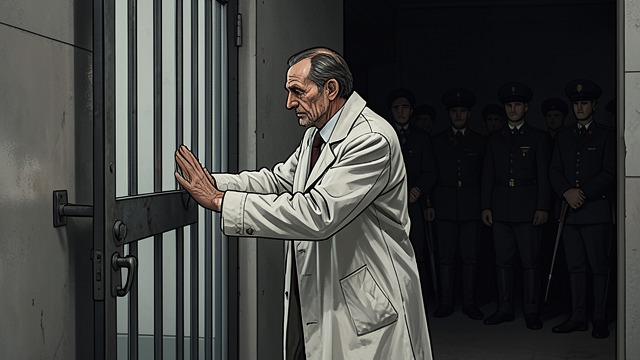
The New Order Begins
Political revenge
The Francoist victory brings arrests, purges, confiscations, and the destruction of Republican professional lives.
Survival requires silence
Guillermo cannot work as a doctor or keep his name, showing how public order is built on coercion.
A Neutral Country’s Double Face
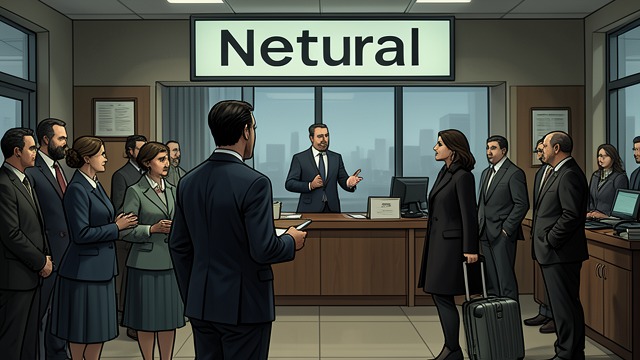
Public Neutrality, Private Support
Nazi interests remain
Spanish officials and businesses continue close relations with German networks after the war.
Refuge and commerce overlap
The same institutions that claim normality shelter fugitives and move stolen property.
The Cold War Rehabilitates Franco
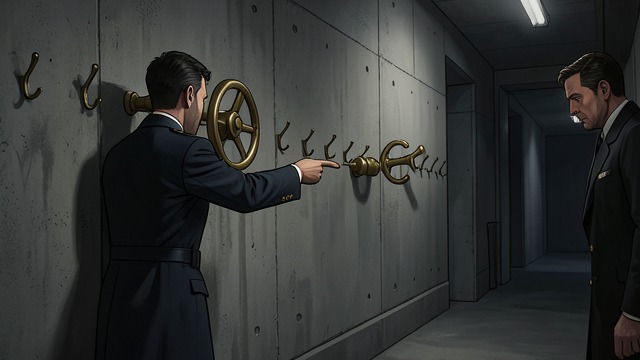
Anticommunism Wins
Former enemies become useful
Western powers shift their attention toward the Soviet Union and tolerate authoritarian allies.
A dictator is accepted
The Madrid Pact and later official gestures normalize Franco’s regime despite its origins and abuses.
The Dictator’s Public Recognition
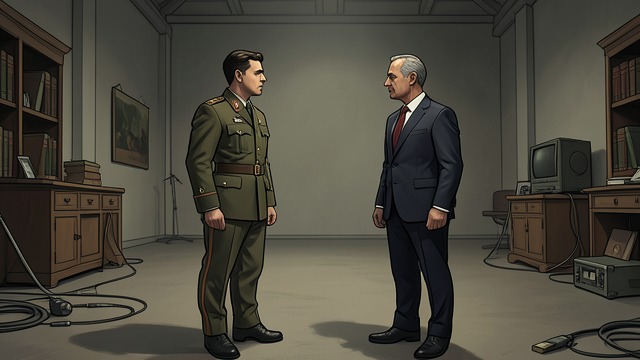
Eisenhower’s Visit
A photographed embrace
Eisenhower’s arrival at Torrejón gives Franco a public image of legitimacy and alliance.
Defeat becomes official
Guillermo recognizes that the Republic’s cause has been abandoned, though resistance continues.
A Return to Dictatorship’s Shadow
Exile Repeats
Argentina becomes unsafe
The Argentine military coup forces Manuel’s family to flee the country they made home.
The pattern endures
Their return to Spain shows that one dictatorship’s victims may encounter another exile without seeing justice.
1939
1940s
1945–1953
21 December 1959
1976–1977
