
The Search for Meaning After Klooga
Los pacientes del doctor GarcíaThis flow traces the different ways survivors and perpetrators interpret atrocity, from refusal and remorse to denial and political concealment.
increasing Bearing strength in each event
 decreasing
Bearing strength in each eventdecreasingBeyer’s Conscience
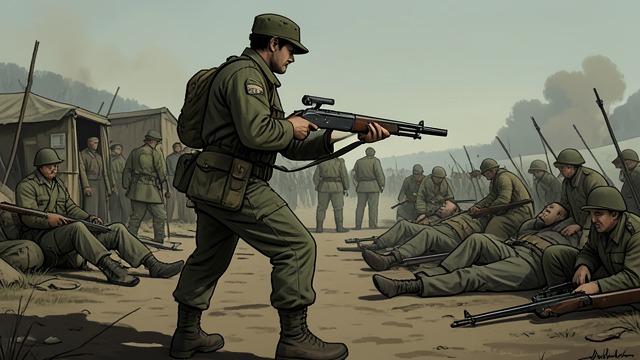
Refusal at the Firing Line
A moral boundary
Heinrich Beyer refuses to shoot the prisoners despite knowing the punishment for disobedience.
A costly choice
His execution demonstrates that conscience remains possible even inside a system designed to erase it.
Adrián’s Self-Exculpation
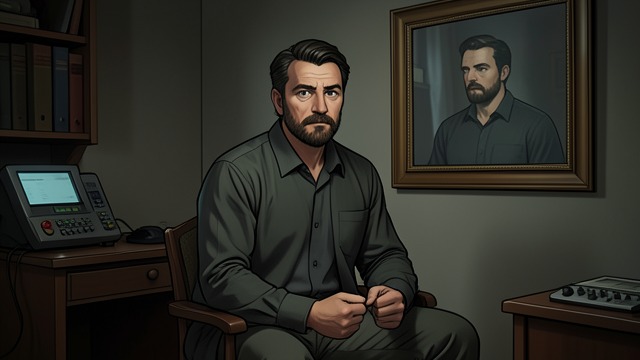
Guilt Recast as Accusation
A defense invented
Adrián convinces himself that the victims’ suffering was intended to make him guilty.
A moral collapse
The logic grants relief at the cost of his remaining capacity for remorse.
Fugitives Deny Their Past
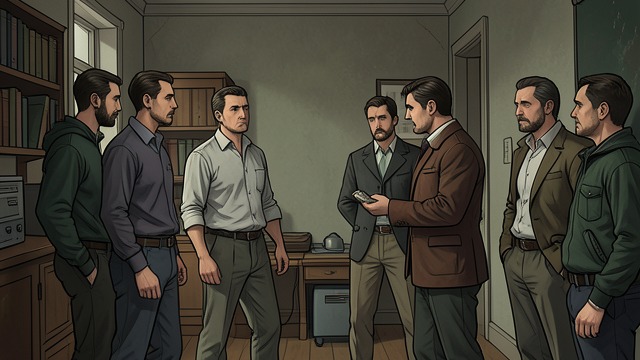
The Network’s Moral Language
Crimes are renamed
Fugitives describe massacres and deportations as necessary work or wartime duty, avoiding direct acknowledgment of victims.
Denial protects the group
Stauffer’s circle treats the past as a threat to manage rather than a crime to answer for.
Marcos Breaks the Silence
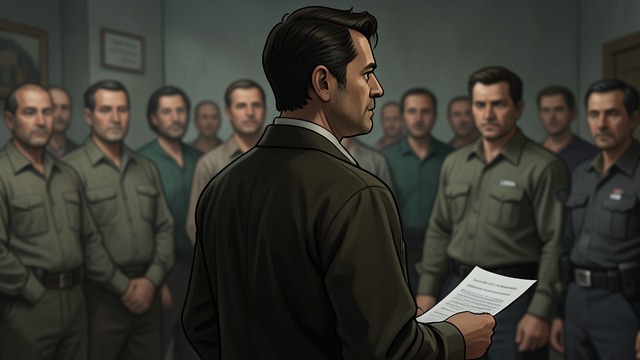
A Confession in Class
A deliberate revelation
Marcos tells the language group about killing Jews and Serbs at Jasenovac, refusing the expected euphemisms.
A hidden response
His comrades silence him and he soon dies, leaving Guillermo and Amparo aware of what the polite gathering conceals.
The Dead Remain Unjudged
Justice Deferred
Evidence accumulates
Manuel preserves extensive evidence, while Guillermo carries the memory of his own participation in concealment and killing.
No public reckoning
The novel’s later decades show perpetrators still protected and survivors still carrying the burden.
September 1944
After September 1944
1947–1948
Late 1948
After 1950
