
The Recurring Image of the Chessboard
Los pacientes del doctor GarcíaThis flow traces chess as a language of intimacy, memory, strategy, and the difficult choices that shape the characters’ lives.
increasing Bearing strength in each event
 decreasing
Bearing strength in each eventdecreasingA Childhood Lesson
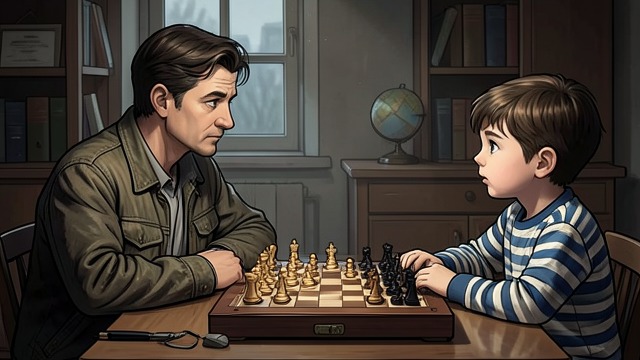
Chess and Childhood
Lessons from a grandfather
Guillermo learns chess from Guillermo Medina Acero, while his Sundays with Fermín and Amparo establish the game as a private ritual.
A model for later life
The board teaches patience and consequence, qualities that Guillermo later applies to survival and secrecy.
Games with Amparo
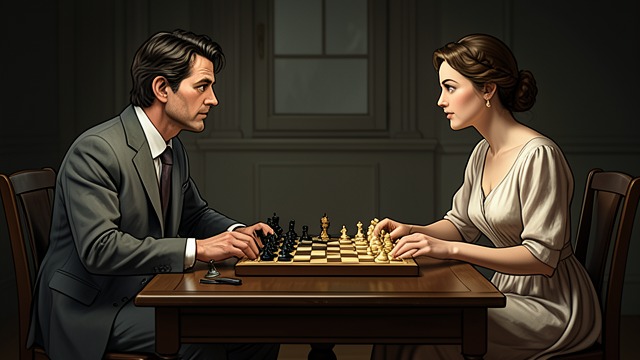
A Game of Rules and Desire
A private code
Guillermo and Amparo transform play into a system of teasing, obedience, and sexual bargaining.
Power shifts
The game gives Guillermo an apparent advantage, but the war and pregnancy expose how little either controls.
Manuel’s Recovery
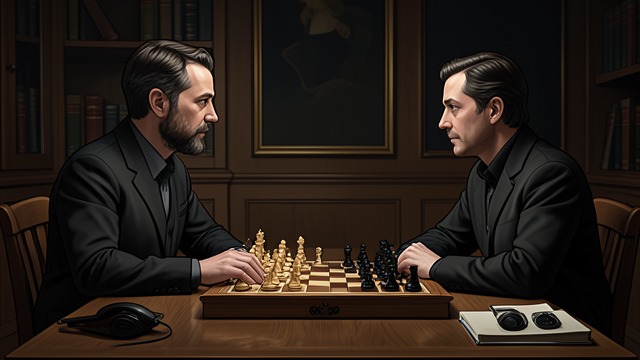
A Board Builds Trust
Safe conversation
During Manuel’s recovery, chess gives the two men a way to talk without directly interrogating each other.
Friendship develops
Their play becomes a structure for reciprocal trust and an eventual intelligence partnership.
A Life Rebuilt on the Board
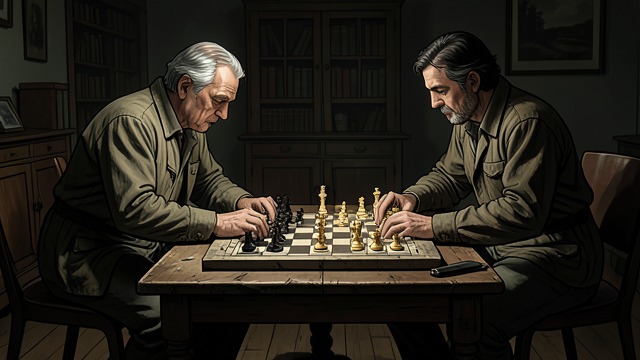
Chess in Exile
A new companion
In Españoleto, Guillermo’s games with María Aránzazu help make the false Rafael’s life feel real.
Memory remains
The board preserves a connection to his grandfather and the home he lost.
The Last Games with His Son
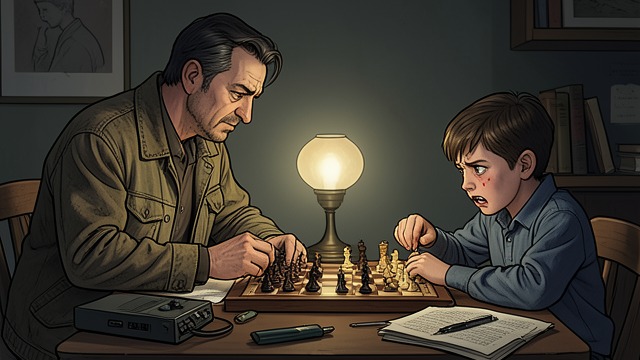
Passing the Game On
Recovery and instruction
Guillermo teaches his older son José Antonio to play while treating him for rheumatic fever.
An inheritance without a name
Chess transfers a family memory across years of separation, even when the father cannot openly reclaim his son.
1920s
1936–1938
November 1937
1939–1946
1952–1953
