
Stauffer’s Organization Meets Its Limits
Los pacientes del doctor GarcíaThis flow traces Clara Stauffer’s increasingly confident network, its exposure through Manuel’s infiltration, and the political immunity that ultimately protects it.
increasing Bearing strength in each event
 decreasing
Bearing strength in each eventdecreasingA House Becomes a Hub
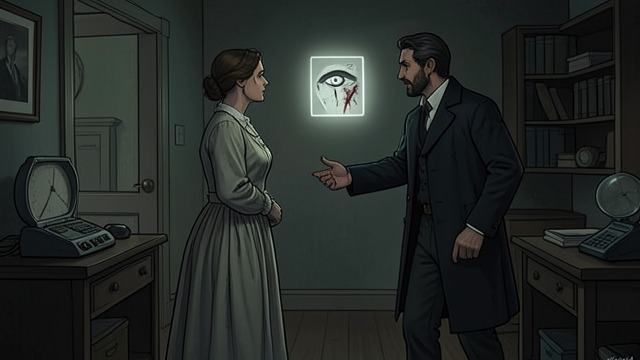
Galileo 14
German and Falangist ties
Clara’s home links Spanish officials, German residents, and former Nazi associates.
A network begins
After Germany’s defeat, the house’s activity shifts toward sheltering fugitives and organizing their next destination.
Allied Investigators Take Notice
A Network Is Suspected
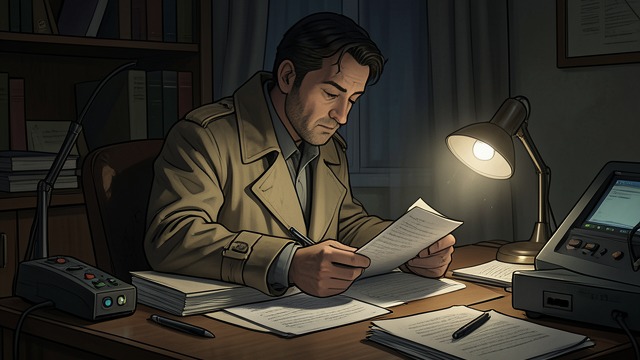
Evidence from a servant
Sole Ruiz reports on false documents, fugitives, and the secret work at Stauffer’s home.
A broader inquiry
Sal Burnstein and Meg Williams turn scattered testimony into a plan to identify the network’s structure.
The False Fugitive Is Accepted

Infiltration Succeeds
A fabricated war record
Manuel arrives as Adrián, a Spanish SS volunteer accused of crimes in Estonia.
Trust is granted
Stauffer welcomes him and gives him shelter, employment, and access to her collaborators.
The Network’s Inner Circle
A Wider Conspiracy
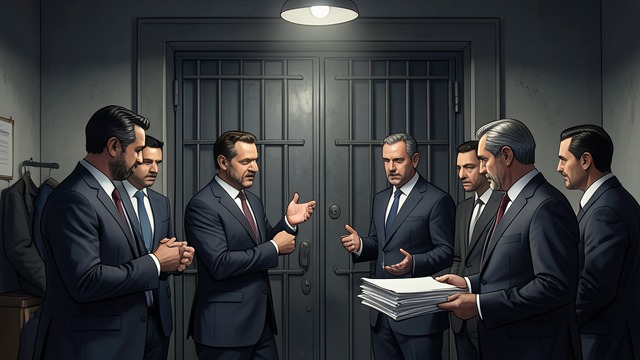
Meetings and cargoes
Manuel encounters major collaborators and learns that Stauffer’s work includes passports, employment, routes, and coordination with Argentina.
The shipping operation
Guillermo helps move valuables through La Meridiana, exposing a new dimension of the network.
Impunity Survives Exposure
The Network Evades Justice
Evidence is preserved
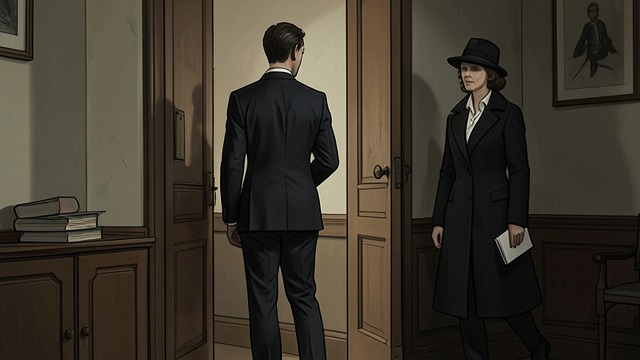
Manuel’s detailed report reaches American officials, but does not force an intervention.
Stauffer remains protected
The network’s political backing and the Cold War’s priorities allow its leaders to avoid meaningful punishment.
1939–1945
1946
June 1947
July 1947–1949
1950 onward
