
The Stauffer Network’s Rise and Exposure
Los pacientes del doctor GarcíaThis flow traces the organization that protects European fugitives in Spain, its routes to Argentina, and the intelligence campaign that exposes it.
increasing Bearing strength in each event
 decreasing
Bearing strength in each eventdecreasingA Dual Allegiance
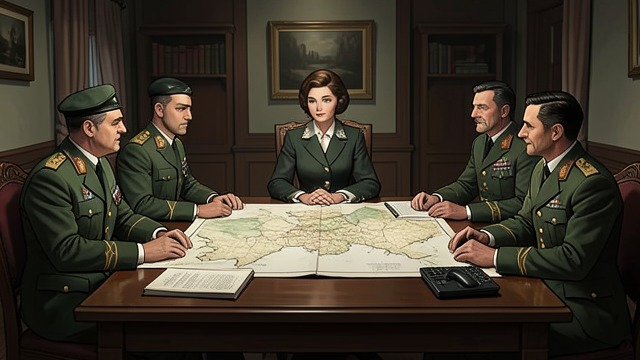
Stauffer’s Political Position
Falange and Germany
Clara Stauffer uses her German background and Falangist standing to connect Spanish officials with Nazi institutions and personnel.
A Madrid center
After the Civil War, her home becomes a meeting point for German and Spanish allies.
Fugitives Arrive

A Network Takes Shape
Assistance in Madrid
Stauffer provides food, clothing, papers, and contacts to German prisoners and fugitives arriving from across Europe.
An organized operation
Secretaries, forged documents, and official connections turn private aid into a durable escape network.
The First Evidence

A Servant Notices
Suspicious routines
Sole Ruiz sees repeated visits, false baptism records, and German men leaving Stauffer’s house better equipped than when they arrived.
Testimony reaches abroad
Her account reaches exile networks and Margaret Williams, giving Sal Burnstein a concrete target.
An Infiltrator Enters

The False Adrián
A credible fugitive
Manuel adopts Adrián Gallardo’s identity and approaches Stauffer through Amparo, avoiding a direct and suspicious arrival.
Inside the network
Stauffer welcomes him, supplies papers and work, and treats him as a comrade in need.
The Buenos Aires Route
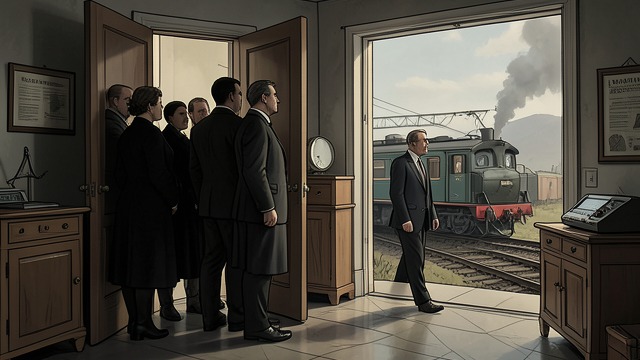
A Protected Destination
State-supported reception
The Argentine government and the SARE receive European collaborators and provide a route from Spain to Buenos Aires.
Evidence assembled
Manuel records names and methods, but the wider political campaign fails to force the network’s dismantling.
1937–1939
1945
1946
1947
1947–1949
