Andrés Velázquez
Los pacientes del doctor GarcíaAndrés Velázquez is a doctor remembered through his daughter Rita and through his wartime collaboration with Guillermo García Medina. His work helping establish mobile blood-transfusion units, and the pride he took in showing them to Guillermo, becomes a point of connection between father and daughter—and, years later, between Rita and the man who had worked beside him.
Medical work during the war
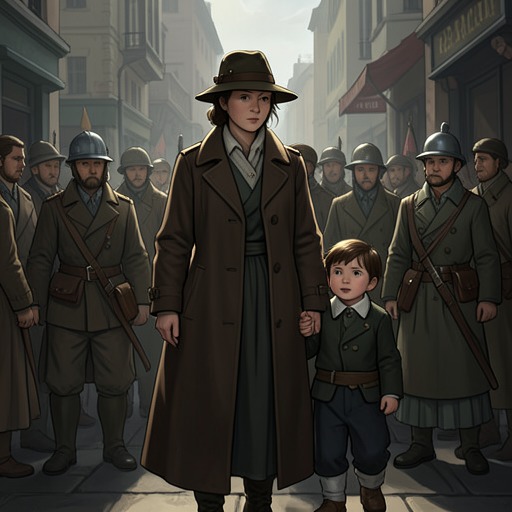
Guillermo recalls meeting Andrés through Doctor Quintanilla and Norman Bethune, and describes the mobile units he organized as part of the Canadian Institute of Blood Transfusion’s work. Andrés came to see how the units operated; their functioning filled him with pride. When Guillermo recounts this history to Rita, he is not merely giving her information about her father. The account revives for him the emotion of those difficult years, when the work had been charged with hope, and opens a rare space of shared feeling between two people living under political danger.
Fatherhood and family memory
Rita is Andrés’s daughter. His significance in the story emerges through the way his history is kept and retold: Guillermo’s memories of the transfusion work let Rita encounter a part of her father’s life that she could not experience herself. The scene binds a public record of wartime medicine to private grief and intimacy, making the father’s work an inheritance carried not only as fact, but as a story capable of bringing his daughter and his former collaborator closer.
The concealed family record
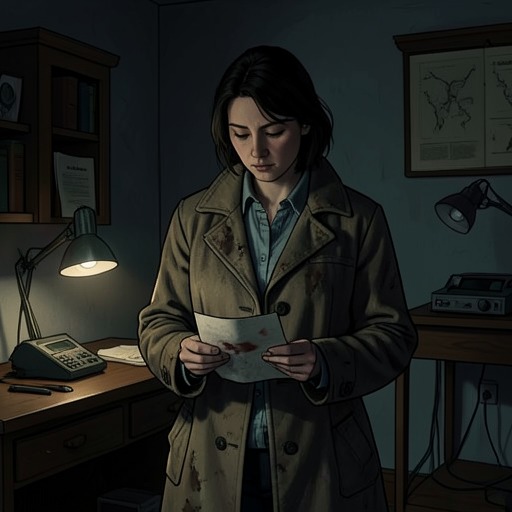
Years later, Guillermo searches a hidden compartment in an old trunk for papers concerning his past with Amparo Priego Martínez. Among the contents are his medical degree, a union card, a photograph of himself with Norman Bethune, and a white envelope containing a family book issued in the names of Guillermo García Medina and Amparo Priego Martínez, the birth certificate of their legitimate son Guillermo García Priego, and their wedding photograph. The documents show how personal and political history has been folded together and kept out of sight. Andrés’s own story, by contrast, is recovered through recollection: it is Guillermo’s account of his work with him that gives Rita a living connection to the father she lost.
A legacy retold across generations
The family history continues to surface through objects and testimony. As a teenager, Guillermo García Priego finds his birth certificate, a Republican family book, and a photograph of his mother pregnant beside the doctor who had visited him during a serious illness and taught him chess. He later learns from Experta that the doctor was his father, a Republican who had hidden Amparo and lived with her until 1939. The late discovery changes the meaning of earlier memories: the doctor’s visits had been more than acts of care, and the family’s official story had concealed a relationship shaped by the war.
Andrés’s narrative presence is therefore indirect but consequential. His medical service survives in Guillermo’s account; his family connection survives in a son’s belated discoveries. Both forms of memory resist disappearance, joining wartime solidarity to the difficult recovery of kinship after years of secrecy.