
Dance as Selfhood
Loveboat, TaipeiThis flow traces how dance changes from a forbidden private passion into Ever’s chosen vocation and a language for integrating the parts of her identity.
increasing Bearing strength in each event
 decreasing
Bearing strength in each eventdecreasingThe Hidden Calling
A Calling Beneath the Plan
The Inherited Future
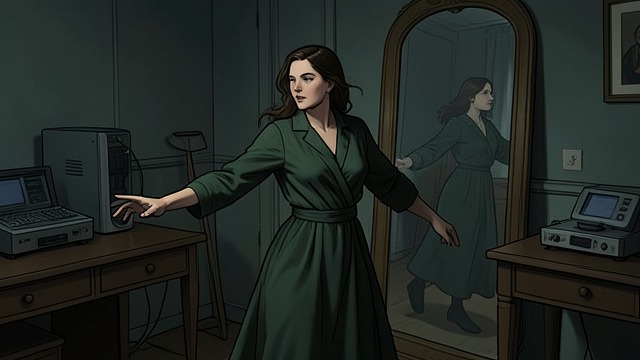
Ever Wong has spent years understanding dance as the part of herself her family permits only so long as it remains secondary. Her parents’ expectation that she become a doctor has shaped her classes, applications, and sense of what a responsible future looks like.
A Body That Knows
Dance, however, is not a passing extracurricular interest. Ever has trained since childhood and discovers that movement gives her a kind of aliveness she cannot find in the prospect of medical work. Her choreography and physical intuition are forms of knowledge her grades and career plan do not measure.
The hidden calling creates the book’s central question: whether Ever can honor the sacrifices behind her family’s hopes without mistaking those hopes for her own desires.
Dance Without Permission
A Missing Language
The Electives She Did Not Choose
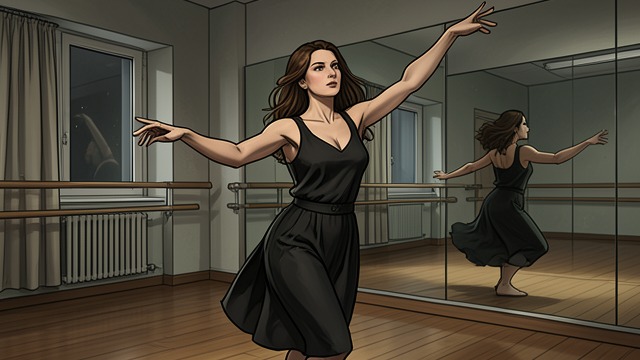
At Chien Tan, Ever discovers that her parents have selected Chinese medicine and calligraphy for her, while the dance electives are full. The imposed schedule repeats the control she has known at home, but the loss now feels sharper because she is far from her familiar studio and friends.
Finding a Doorway
Ever searches for an affordable place to dance and eventually discovers Szeto Ballet Studio through a photography album. She spends her limited savings to join, and Madame Szeto welcomes her into rehearsal and gives her a chance to audition for a role in Swan Lake.
This choice does not yet settle Ever’s future. It does, however, turn dance from a private longing into a concrete practice she is willing to pursue despite expense, distance, and the risk of disappointment.
A Door Closes
Art Under Judgment
The Cost of Exposure
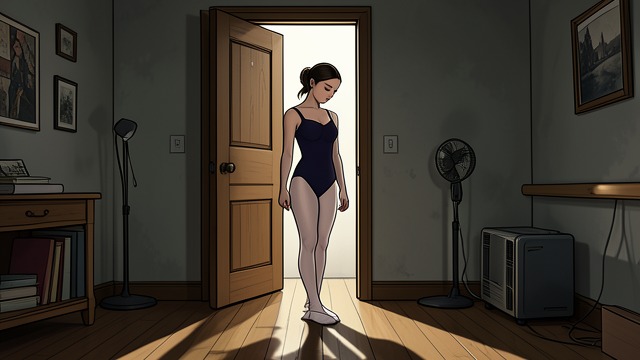
Ever misses her Swan Lake audition after an emotionally chaotic night and arrives late at Szeto Ballet Studio. Madame Szeto rejects her, citing the studio’s standards and the risk to its students’ reputations after Sophie delivers Ever’s nude photograph there.
A Lost Solo, Not a Lost Calling
The rejection destroys Ever’s immediate chance to dance Odette and makes the loss feel like another punishment for wanting something outside the plan. Yet the failure does not erase the weeks of work, the pleasure she found in rehearsal, or the realization that dance remains essential to her.
The episode separates a particular opportunity from the larger vocation. Ever cannot control how others respond to her, but she can begin to understand that one closed studio door does not define what she may become.
Choreography Takes Shape
From Performer to Choreographer
Making a Place for Others
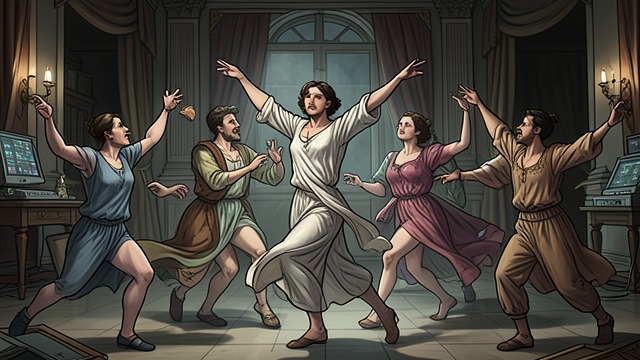
After her photographs circulate and her parents threaten to bring her home, Ever begins to rebuild on terms she can claim. She recruits dancers, combines fans, ribbons, and jazz movement, and develops a performance that does not require her to return to the audition path she has lost.
A Form for Difference
The first versions feel like disconnected pieces. Ever recognizes that the dance needs a central structure, then adds herself as a moving center and later brings Rick into a staff-fighting duet. Her skill is not simply executing steps; it is seeing how different bodies, styles, and rhythms can belong in one composition.
As the choreography develops, Ever accepts an identity she once resisted naming. Other dancers recognize her authorship, and she begins to see that making dances is not a substitute for being a dancer but another way of living the same calling.
A Chosen Future

Choosing the Work
The Family Conversation
Back home, Ever tells her parents she will not attend Northwestern University or pursue medicine. She proposes a gap year teaching at Zeigler’s Ballet Studio, applying to dance programs and scholarships, and using the film of her Taiwan choreography in her applications.
More Than Defiance
Ever does not frame the choice as a rejection of her family. She recognizes that her parents’ courage in leaving home and building a life in America helped create the options she now has. She can respect their sacrifices without turning her life into repayment for them.
Her decision gives dance a future beyond rebellion: it becomes a deliberate career direction and a way she hopes to bring attention to people overlooked by others. Ever’s independence is not an escape from family but an attempt to remain connected without disappearing into their expectations.
At home in Chagrin Falls, before the trip
The first days at Chien Tan
After the weekend at Zhang residence
The weeks before the final performance
After returning home from Taiwan
