
Frank’s Separation from His Own Story
MayaThe novel repeatedly challenges Frank’s authority as narrator, showing how grief, invention, alcohol, and memory complicate what he believes he has experienced.
increasing Bearing strength in each event
 decreasing
Bearing strength in each eventdecreasingThe Private Letter
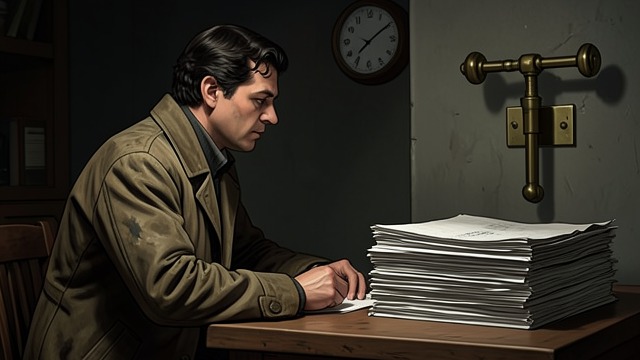
The Private Letter
An account addressed to Vera
Frank writes a detailed narrative of his time in Fiji and his discoveries about Ana and José. He presents the letter as a complete record, expecting that its fullness will make Vera understand why he is asking her to come to Seville.
An unreliable intimacy
His direct address to Vera mixes observation, interpretation, and emotional appeal. The closeness of the voice makes its omissions difficult to notice until John’s later framing complicates the account.
The Tale of Ana’s Death
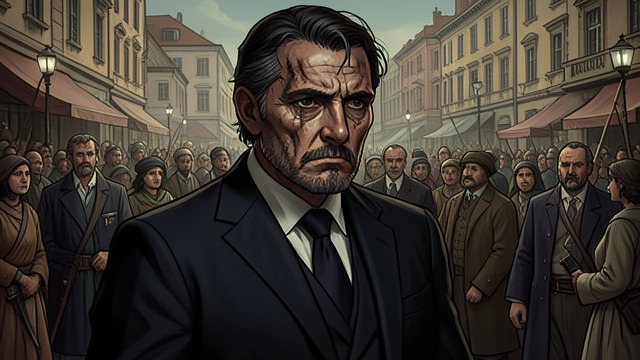
The Tale of Ana’s Death
A tragic explanation
José tells Frank that Ana dies after her condition worsens, and Frank accepts the account as the reason for her absence. The supposed death gives the portrait mystery the weight of a completed tragedy.
A story revised
John’s epilogue later shows Ana alive, forcing the reader to reconsider the earlier account as a constructed or misleading narrative. The apparent certainty of Frank’s grief becomes part of the novel’s investigation of storytelling.
Two Versions of the Summit
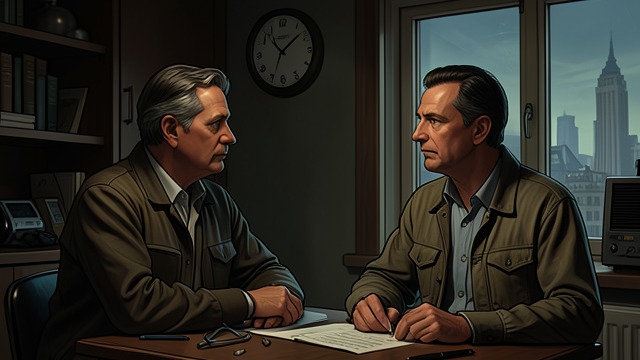
Two Versions of the Summit
Words remembered differently
John confirms that Ana spoke about another reality but says Frank’s letter overemphasizes her personal connection to death and funeral. He recalls a more general remark about meeting again elsewhere and remembering this world as a dream.
Memory under revision
The difference does not require that either man be deliberately lying. It shows how grief, literary purpose, and imperfect recall can reshape a conversation into a story with a clearer arc than the event itself possessed.
The Writer’s Hand
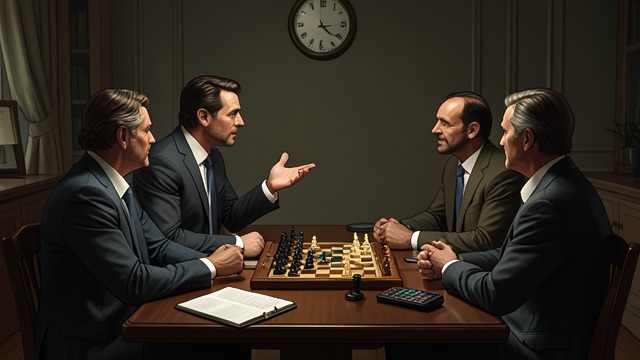
The Writer’s Hand
Encounters arranged
John admits that he gave the Spanish couple Frank’s location and suggested that he might join their bridge game. He also encouraged them to draw on Frank’s evolutionary knowledge for their manifesto.
Observation becomes intervention
These admissions reveal that some apparent coincidences were deliberately encouraged. John’s actions do not explain every mystery, but they show that the narrator is not outside the plot he later reports.
The Story Within the Story

The Story Within the Story
The author enters the frame
John explains that he had been imagining a novel before he met Frank and had chosen Ana and José as characters. Frank’s unexpected appearance in Madrid then disrupted the distinction between his fiction and the lives that inspired it.
A shared uncertainty
The novel closes without reducing its events to a single verified account. Its nested narrators leave readers to consider how a story can be invented from real grief and still reveal something true about the people who tell it.
The week Frank writes from Madrid
Within Frank’s account, after his Madrid discovery
John’s account in the epilogue
John’s account of the Taveuni arrangements
The final chapters in Croydon
