
The Enigma of Ana María Maya
MayaFrank Andersen’s curiosity about Ana grows from an uncanny sense of recognition into an investigation of her resemblance to Goya’s painted figure and the legend surrounding it.
increasing Bearing strength in each event
 decreasing
Bearing strength in each eventdecreasingThe Unfamiliar Familiar Face
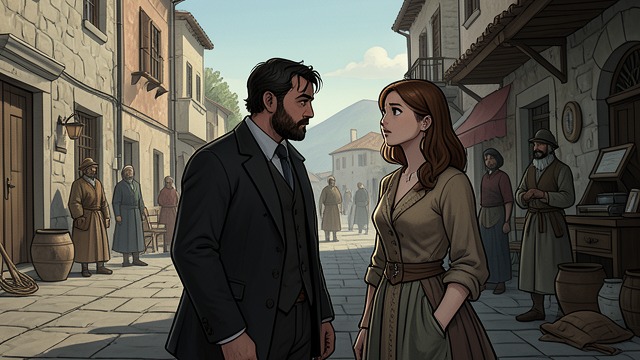
The Unfamiliar Familiar Face
Recognition without memory
Frank meets Ana and José on Taveuni and is immediately convinced that he has seen Ana before. Her face seems familiar, yet he cannot place it in a film, a performance, or any remembered encounter.
A question left open
Ana’s playful manner and José’s reserved presence make the meeting feel more deliberate than an ordinary introduction. Frank keeps the mystery to himself, and the unresolved recognition follows him through the island episodes.
Clues in the Palmetto Grove
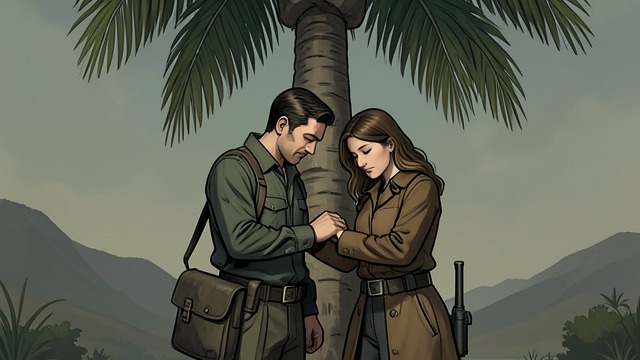
Clues in the Palmetto Grove
Repeated phrases
Frank overhears Ana and José exchanging poetic fragments about creation, mortality, and a figure called Comodín. Their private recitations seem at once intimate and rehearsed, giving him the impression that he has stumbled into a story already in progress.
The face in the portrait
Frank later recalls the face of the woman in Goya’s paintings and begins to suspect that the resemblance may be more than coincidence. The strange language and the familiar face become parts of a single puzzle.
A Name with Two Shadows
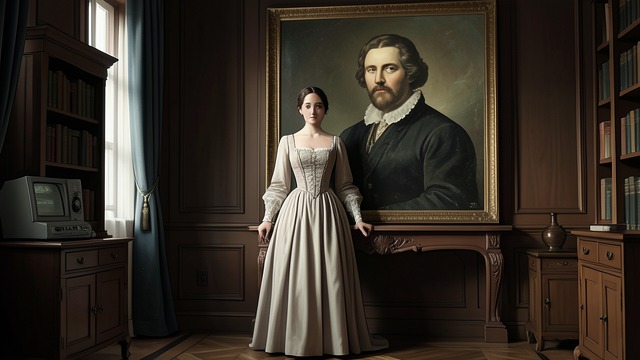
A Name with Two Shadows
Maya and the maja
José identifies Ana as Ana María Maya, a name that connects her to the philosophical term Maya and to the Spanish word maja. The coincidence deepens Frank’s sense that personal identity, art, and illusion have become entangled.
An inherited mystery
José describes Ana’s family history and her growing resemblance to Goya’s figure. Frank must consider the possibility that a contemporary woman could be connected to a portrait made two centuries earlier without reducing the uncanny likeness to an easy explanation.
The Prado Revelation
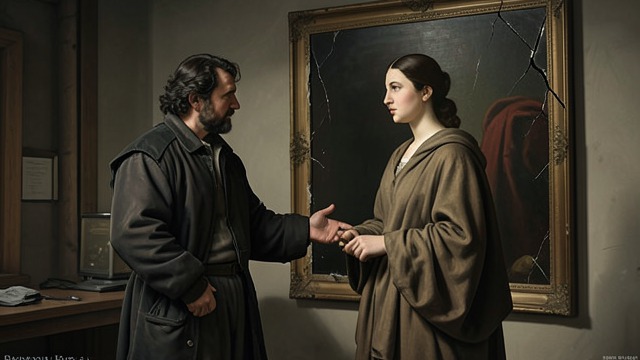
The Prado Revelation
The face on the wall
At the Museo del Prado, José finds Frank before El jardín de las delicias and then leads him to La maja desnuda and La maja vestida. Frank recognizes Ana’s face in the paintings, understanding at last why he had felt he knew her.
Recognition made uncanny
The likeness appears to belong specifically to the painted face, not to the body beneath it. Frank learns that the paintings may combine separate models, but that historical uncertainty does not explain why Ana’s face seems identical to the figure’s.
The Portrait’s Impossible Journey
The Portrait’s Impossible Journey
A legend reaching backward
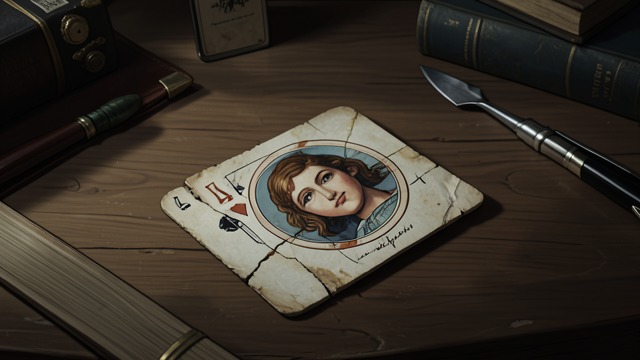
José tells Frank that Comodín carried a remarkably lifelike portrait of a young woman at Cádiz in 1790, before Goya painted the Majas. The portrait’s apparent photographic realism makes it seem to come from a future not yet invented.
A story that closes its circle
The family legend links the portrait, Goya’s paintings, and Ana’s later appearance in the gardens of Seville. Frank receives no conventional proof, only an account in which the image and the woman seem to define one another across time.
Frank’s first meeting with the couple on Taveuni
Frank’s first two evenings at Maravu
During José’s account in Madrid’s botanical garden
Two weeks after Frank reaches Madrid
During José’s account in Retiro Park
