
The Family Legend’s Authority
MayaThe Maya family’s oral tradition moves from dismissed folklore to a powerful interpretive framework for Ana’s identity, even as its factual basis remains uncertain.
increasing Bearing strength in each event
 decreasing
Bearing strength in each eventdecreasingA Story Without Documents
A Story Without Documents
Oral transmission
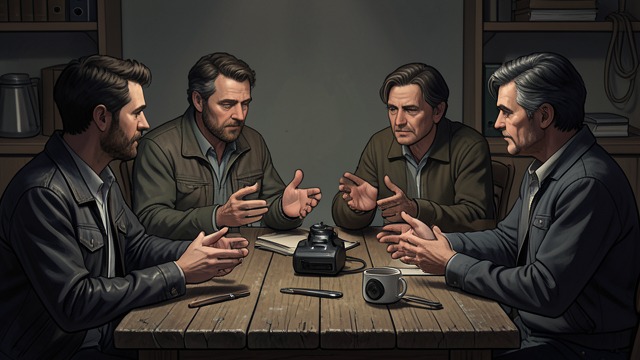
José explains that the tale of Comodín survives in many versions within Ana’s family and has no confirming written record. Its details vary, but the central encounters and the 52-year intervals recur.
The authority of repetition
The family does not treat the story as straightforward documentary history. Its force comes from being told across generations, shaping what Ana expects to happen and how she interprets events when they do.
A Portrait That Arrives Early
A Portrait That Arrives Early
The impossible keepsake
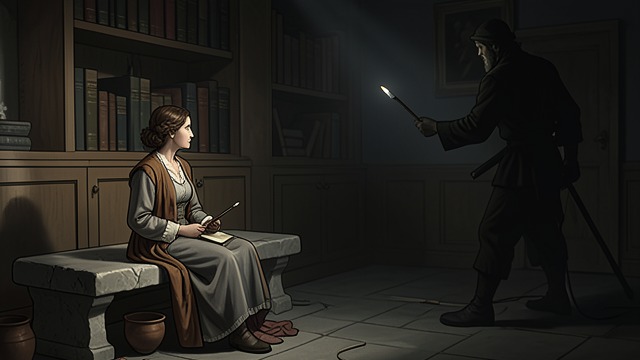
Comodín is said to possess a tiny, realistic portrait of a woman before Goya paints the Majas. The family later understands its description as photographic, although photography does not yet exist in the story’s historical setting.
Legend reshaping history
The mismatch between the image and its era makes the portrait appear magical. The family tradition adapts its language as new technologies make older descriptions newly intelligible.
Ana as the Predicted Woman
Ana as the Predicted Woman
A prophecy acquired
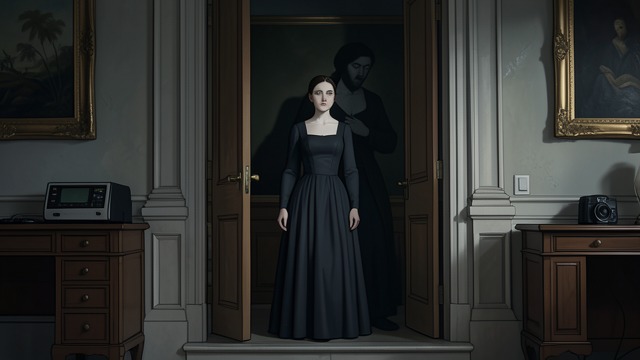
A family version predicts that the woman in the magical portrait will die when she reaches the age of the painted figure, particularly if she gives herself to a man. The prophecy turns resemblance into a threat attached to Ana’s identity.
Fate and consent
Ana can laugh at the stories, but their presence makes ordinary choices feel consequential. The legend raises a disturbing question about whether a person can be held responsible for a fate assigned by a story before she was born.
The Jester in the Garden
The Jester in the Garden
Recognition through sound
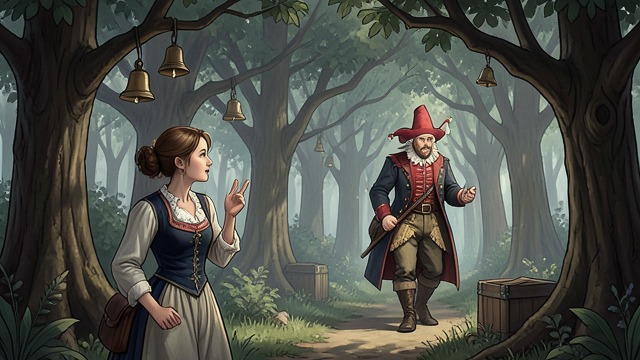
Ana hears the bells associated with the family’s recurring jester and follows him through the Alcázar gardens. Her response is immediate because the story has been part of her life since childhood.
Belief becomes action
The chase shows that folklore is not inert background. It shapes movement, expectation, and danger, while leaving open whether the figure was a supernatural being, a local performer, or a story’s way of organizing experience.
The Novel’s Counterexample
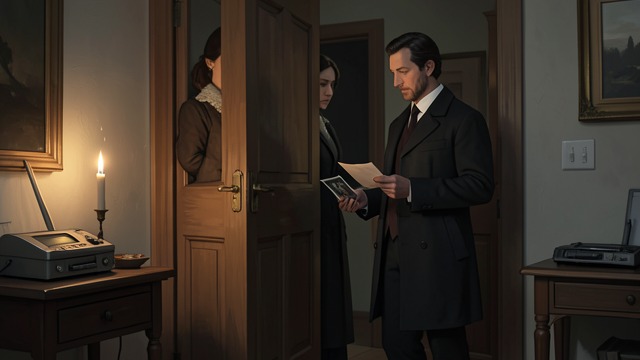
The Novel’s Counterexample
The prediction undone
Ana appears alive in John’s account after Frank’s letter has described her death. The contradiction breaks the apparent certainty with which the family’s tragedy had been narrated.
Stories remain powerful
The false death does not make the family’s legends meaningless; it makes their authority harder to separate from the stories built around them. The reader must distinguish an event from the tale that gives it significance.
José’s account in Madrid’s Retiro Park
At the Cádiz wharf in the family legend
Ana’s years of increasing resemblance
The day Ana pursues Comodín in 1998
At the Seville gathering after the supposed funeral
