
The Child Beyond the Funeral
MayaThe novel uses pregnancy, birth, and the reversal of a presumed death to test whether endings can also open into new relationships without undoing loss.
increasing Bearing strength in each event
 decreasing
Bearing strength in each eventdecreasingA Magical Drink for Two
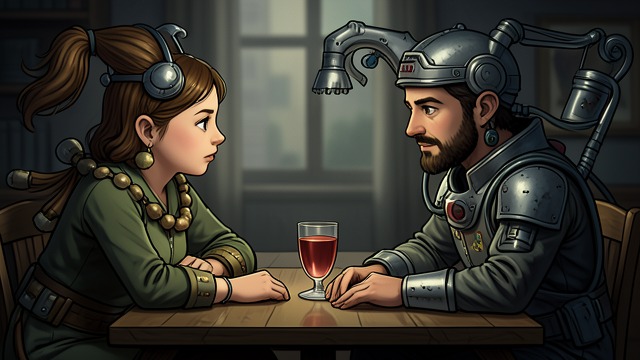
A Magical Drink for Two
A childhood fantasy revisited
Vera recalls dreaming of a drink that would grant eternal life to one person and leave the other half for a beloved companion. She connects the fantasy to the child she is carrying and to the thought that their descendants might live for generations.
Love against limited time
The story turns the impossible drink into an image for a familiar desire: that love should outlast mortality. The image does not promise literal immortality, but gives the couple a language for hoping that something of them will continue.
Sonia’s Unfinished Life
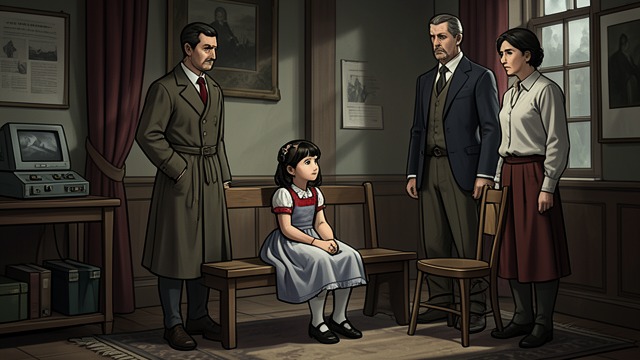
Sonia’s Unfinished Life
A life cut short
Sonia dies at four and a half, leaving her parents with memories of a life that never reached the stages they imagined. Frank and Vera must continue aging while their remembered daughter remains a child.
The pain of continuity
The difference between Sonia’s brief life and her parents’ continuing years becomes a source of grief. The novel refuses to treat biological continuation as a replacement for the person who has been lost.
The Funeral as a Beginning
The Funeral as a Beginning
A line spoken at the summit
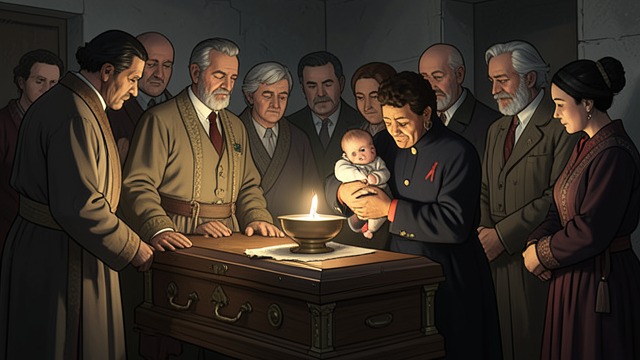
Ana’s statement that mourners may think they are attending a funeral but have actually arrived at a birth acquires a new resonance after Frank believes she has died. Her words bind death to a future that the characters cannot yet see.
The scene reversed
John’s later account places Ana alive and Vera pregnant at the Seville gathering. The reversal makes the funeral image a narrative hinge, while leaving Sonia’s death and Sheila’s death untouched by the new beginning.
Manuel in the Room
Manuel in the Room
A new generation appears
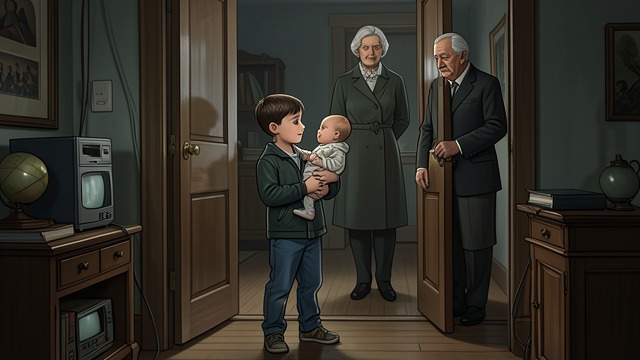
José arrives carrying the infant Manuel, while Vera’s pregnancy is visible. The children embody a future that contrasts with Frank’s earlier belief that his family line has ended.
No replacement for loss
The scene offers renewal without presenting the children as substitutes for Sonia. Their presence changes what Frank and Vera can hope for, but it does not make the lives already lost less particular or important.
A Family Walk in Seville
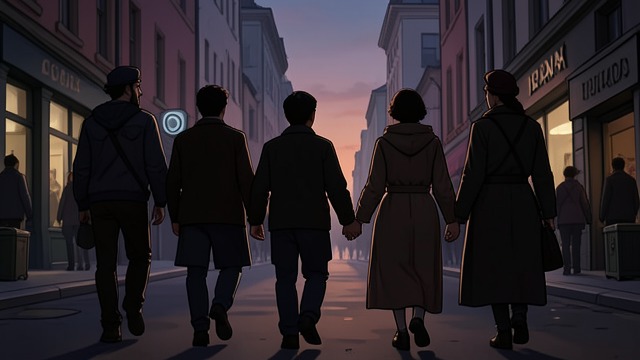
A Family Walk in Seville
A new configuration
Frank and Vera walk through Seville alongside Ana and José, their children, and John. The group resembles a family without requiring the characters to pretend that their histories are alike.
Hope with memory intact
The walk suggests that relationships can begin again in altered forms. Birth does not cancel death; it places new attachments beside the old ones, giving the survivors a way to continue without erasing whom they miss.
Vera’s postcard from Barcelona in 1992
After Sonia’s death
During Ana’s supposed funeral and the later Seville gathering
During the final flamenco gathering
The day after the flamenco gathering
