
The Novel’s Framing Voices
MayaJohn Spooke’s layered narration turns a reported journey into a novelistic investigation of how memory, invention, and personal grief make stories.
increasing Bearing strength in each event
 decreasing
Bearing strength in each eventdecreasingA Writer at Maravu

A Writer at Maravu
A chance acquaintance
John Spooke meets Frank at Maravu Plantation Resort and lends him a pen. He notices Frank’s solitude, his attention to Ana and José, and his own interest in the couple’s strange recitations.
A narrator in waiting
John has already begun imagining a novel based on the people around him. Frank’s observations and scientific vocabulary offer a possible narrative voice, though Frank does not know he is being drawn into someone else’s design.
The First Account

The First Account
Letters as structure
John presents Frank’s account as a long letter to Vera, complete with its digressions, memories, and repeated philosophical questions. The letter gives Frank room to turn his encounters on Taveuni into a sustained appeal.
A second perspective
John’s framing comments establish that the letter is not the whole story. His own losses and observations will later alter the reader’s understanding of what was reported and what was invented.
A Chance Meeting in Madrid
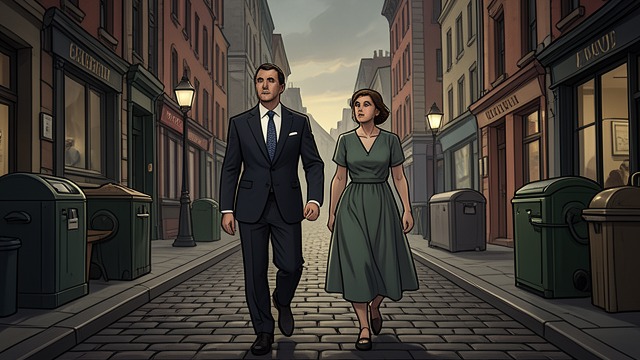
A Chance Meeting in Madrid
The novel meets its subject
John unexpectedly sees Frank at the hotel where he had imagined the letter being written. Their conversation makes the fiction’s central setting and its protagonist collide with lived reality.
A plot set in motion
John recognizes that this meeting gives him an opportunity to arrange an encounter in Seville. The impulse is both literary and personal: he wants to see how his imagined story will behave when real people are placed inside it.
The Seville Intervention
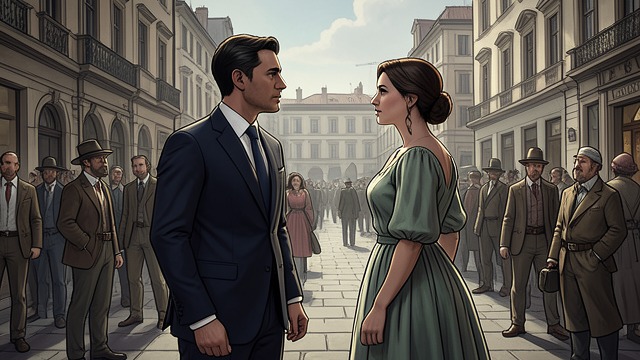
The Seville Intervention
A deliberate invitation
John persuades Frank to travel with him to Seville and arranges for Vera to join them. He does not disclose the full plan, relying on the promise of something worth seeing to keep Frank moving toward the encounter.
A risky authorial act
By arranging the reunion, John steps beyond observation and becomes an agent in the lives he narrates. His intervention risks misleading Frank and Vera, but it also creates the possibility of a conversation neither has managed to begin alone.
The Narrator’s Recognition
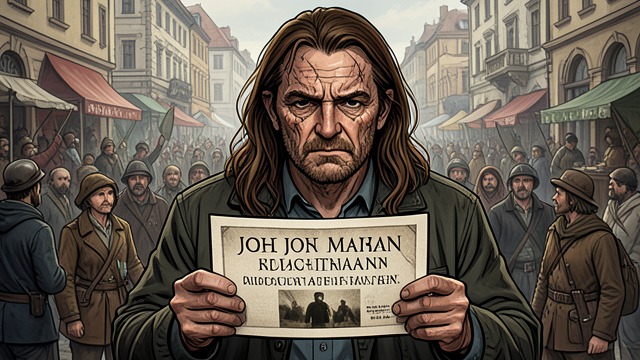
The Narrator’s Recognition
A photograph returned
At the Church of Santa Ana, John receives a photograph of himself from Comodín. Turning it over, he finds a maxim that speaks of cosmic consciousness and human responsibility.
The story turns inward
The image makes John see that his novel is not essentially about Frank and Vera or Ana and José. It is also about Sheila, the cards she played, and John’s own grief; the act of telling becomes a way of recognizing his place in the story.
Frank’s arrival on Taveuni
The summer of 1999, as John prepares his account in Croydon
November 1998 at the Hotel Palace de Madrid
The weekend after their Madrid meeting
After the funeral in Triana
