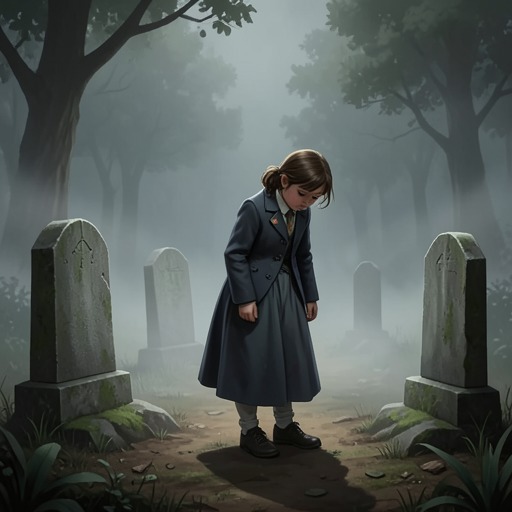
Kurotani (valley of darkness)
Memoirs of a GeishaKurotani (valley of darkness) names the years from the Great Depression through World War II as a time of widespread peril, yet the narrator’s account complicates the image of a uniformly dark era: Gion retained pockets of abundance, and those who benefited from them shared resources across its closely connected community.
Meaning and Historical Scope
The narrator describes Kurotani as the period in which many people seemed to have “lived like children whose heads had slipped beneath the waves.” The image makes deprivation feel engulfing, but the account does not present hardship as evenly distributed. It distinguishes the darkness experienced by much of Japan from the relative warmth that persisted in Gion during the 1930s.
Gion’s Unequal Shelter
The narrator attributes Gion’s relative good fortune to women who were mistresses of cabinet ministers and naval commanders. Their privileged access to resources benefited not only themselves: prosperity passed along to others. Gion becomes a high mountain pond fed by streams of rich springwater, with some parts receiving more than others, but the level rising across the pond as a whole. The metaphor holds inequality and collective advantage together rather than treating Gion as either wholly secure or wholly deprived.
The Nitta Okiya and Shared Resources
Because of General Tottori, the Nitta okiya was one of the places where this springwater flowed. Even after rationing began and conditions worsened over several years, it continued to receive food, tea, linens, cosmetics, and chocolate. These supplies marked a striking contrast with the scarcity surrounding it, but the okiya did not keep them entirely behind closed doors. Mother passed much of the surplus on to people who came asking for help. The narrator presents this sharing as practical interdependence, not simple benevolence: the people of Gion were like spiders crowded on the same web, vulnerable to one another’s fortunes.
Narrative Perspective and Significance
The account is retrospective: the narrator names the period and interprets its conditions through the material inequalities and obligations she witnessed in Gion. A fall 1941 incident makes that local network concrete. When military police found a maid carrying roughly ten times the ration coupons her okiya was permitted, her mistress sent her to the Nitta okiya for safekeeping while arrangements were made. Kurotani thus signifies not only a national era of shortage, but also the fragile systems of patronage, protection, and mutual aid through which Gion endured it.