Tatsuyo Okiya
Memoirs of a GeishaTatsuyo Okiya is the place from which Sayuri and Satsu set out on an attempted escape that ended differently for each sister. In retrospect, the failed flight becomes more than a memory of separation: the almanac Mameha consults links the sisters’ different outcomes to the timing and direction of their journey, prompting Sayuri to recognize how little she had understood about the forces shaping her life.
The Escape and Its Setting
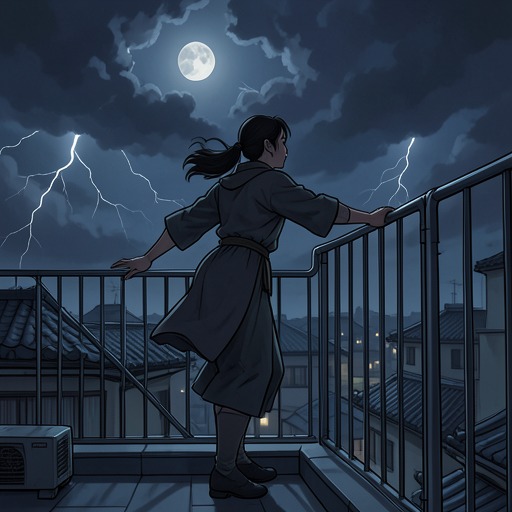
Only a few months after Sayuri and Satsu were taken from home, the sisters planned to leave together. Sayuri later recalls that Satsu chose when they would go. At Tatsuyo Okiya, Satsu briefly left Sayuri in a room beneath the stairwell; Sayuri subsequently suspected that her sister used those minutes to consult an almanac. The recollection ties the escape to a particular interior space in the okiya, but the account does not describe the building more broadly.
The Almanac and the Sisters’ Different Journeys
Mameha later asked Sayuri to identify the date of their attempted escape. After checking a calendar, Sayuri placed it on the last Tuesday in October 1929. Mameha looked up Sayuri’s sign, the year of the monkey, and read a forecast warning against travel, changing residences, and several other activities. The date, in the almanac’s terms, was markedly inauspicious for the kind of departure the sisters had attempted.
The reading for Satsu offered a sharp contrast. Mameha found that Satsu’s sign described the day as auspicious for small changes and favorable for travel in the direction of the Sheep. Looking at a map, she found that Yoroido lay north-northeast of Kyoto, corresponding to that direction. Sayuri inferred that Satsu had checked the almanac before leaving her beneath the stairwell. Satsu escaped; Sayuri did not. The contrast does not change the fact that the sisters made the attempt together, but it gives their divergent outcomes a pattern Sayuri had not seen at the time.
Memory and Significance
The significance of Tatsuyo Okiya in this recollection lies in the point at which Sayuri’s failed escape becomes an insight into interconnectedness. She had thought little about auspicious timing when she planned to run away, and Mameha’s comparison of the sisters’ fortunes makes that unawareness newly visible. Sayuri’s reflection broadens beyond zodiac signs: people, she concludes, are affected by forces larger than themselves, much as a beetle can be changed or crushed by forces it cannot control.
That reflection gives the remembered setting a wider narrative meaning. The okiya is associated here with a failed departure, but the episode also establishes a way Sayuri later interprets action and circumstance: survival depends partly on recognizing the currents around oneself and choosing when and how to move with them. The almanac cannot undo the sisters’ separation; it helps Sayuri understand, after the fact, how their paths diverged.