
Stories, Evidence, and Belief
Miss Peregrine's Home of Peculiar ChildrenThe novel tests how people decide what is true, as photographs, memories, official explanations, and direct experience compete for credibility.
increasing Bearing strength in each event
 decreasing
Bearing strength in each eventdecreasingA Child Believes
A Child Believes
Stories made tangible
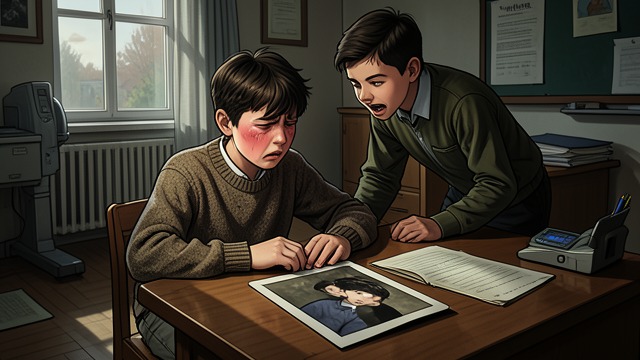
Abraham’s photographs seem to support his accounts of peculiar children. Jacob believes partly because he trusts his grandfather and wants the world to be extraordinary.
Social pressure intervenes
A classmate’s mockery turns belief into embarrassment. Jacob rejects the stories before he has the means to understand them.
Official Explanations
Official Explanations
A plausible story
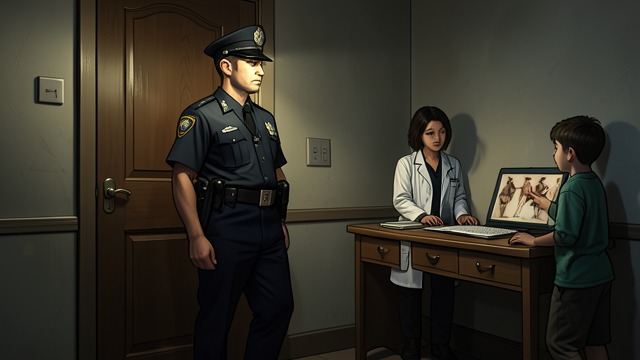
Police attribute Abraham’s death to feral dogs, while Dr. Golan describes Jacob’s sighting as a trauma response. These explanations fit familiar expectations and receive social acceptance.
Truth marginalized
Jacob’s accurate account is treated as evidence of illness. The episode shows how authority can comfort while also obscuring what witnesses genuinely perceive.
Experience Over Assumption
Experience Over Assumption
Evidence accumulates
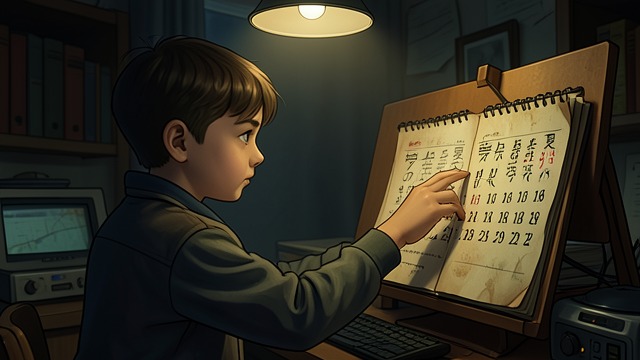
Jacob sees the village calendar, recognizes the photographed children, and watches their abilities firsthand. Each experience challenges the explanations that had seemed conclusive.
Belief revised
He does not simply recover childhood credulity; he learns to judge evidence more carefully. The photographs and the loop transform family stories into verifiable history.
Jacob’s early childhood
After Abraham’s death
After Jacob enters the 1940 loop
