
The Queen’s Survival Strategies
My Tender MatadorThis flow traces the Queen’s use of performance, craft, humor, and quick judgment to navigate exclusion and political danger.
increasing Bearing strength in each event
 decreasing
Bearing strength in each eventdecreasingA Childhood of Punishment
Survival Begins in Fear
Family Violence
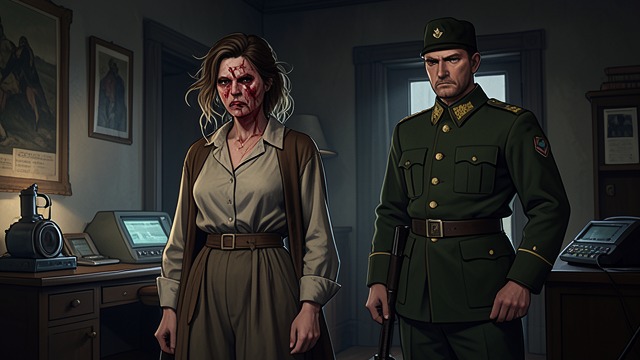
The Queen recalls a father who tried to force her into conventional masculinity through beatings and military discipline. The violence leaves her vulnerable and teaches her early that home can be dangerous.
A Life Outside Protection
She grows up without the security or acceptance that might have made survival easier. Her later humor and performance develop in a world that has repeatedly treated her identity as a reason for punishment.
Street Work and Embroidery
Making a Livelihood
Street Survival
The Queen recalls sex work, poverty, and brief encounters that offered warmth without dependable care. Repeated disappointment makes romantic attention both precious and dangerous to her.
A New Skill
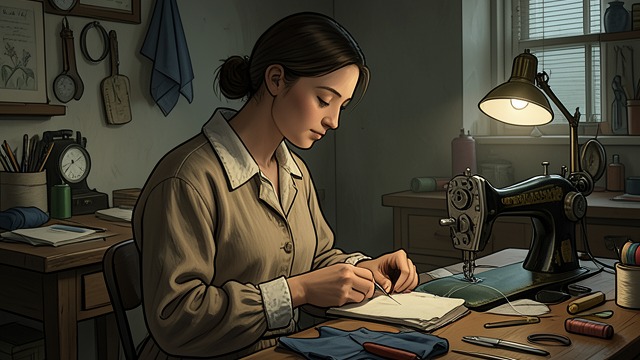
Rana teaches her embroidery, giving her another source of income. The change does not erase hardship, but it allows her to build a more stable identity as a skilled worker.
Passing the Checkpoint
Performance as Protection
A Sudden Request
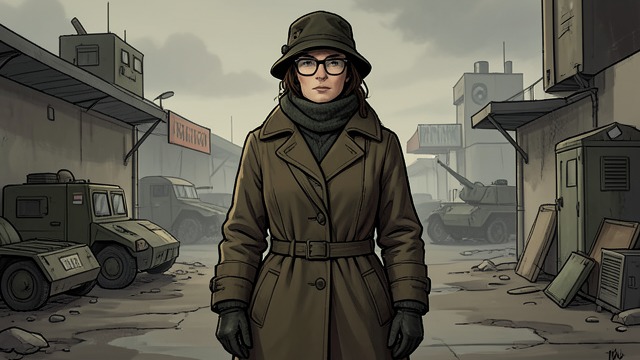
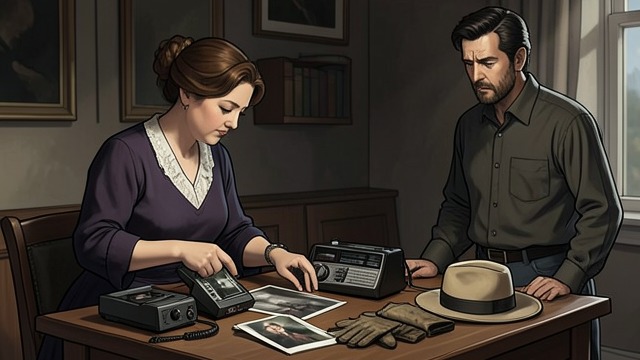
Carlos asks the Queen to put on her hat, gloves, and glasses at a military checkpoint. She transforms herself into an extravagant woman, confusing and entertaining the soldiers.
A Dangerous Act Turned Useful
The soldiers let the car pass without searching it. Her performance protects the journey, but also shows how she must turn a stigmatized identity into a tool under armed scrutiny.
Dignity at the Roadblock
Quick Wit Under Threat
Crossing the Police Line
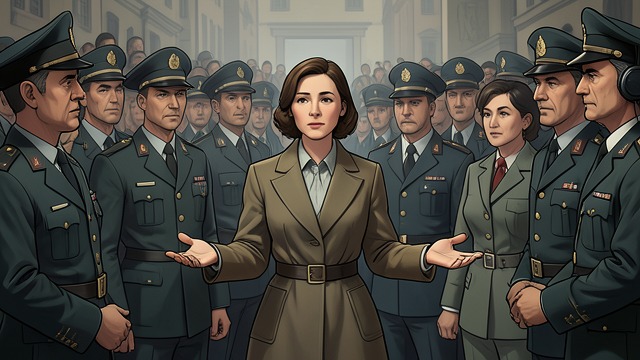
When officers attack demonstrators, the Queen refuses to run and talks her way through the formation. Her composed manner and social performance help her evade immediate arrest.
Survival Through Improvisation
Later, when soldiers divide passengers by gender for searches, she again uses humor and ambiguity to avoid inspection. Her tactics are risky adaptations to a system designed to make her vulnerable.
The Road Out
Choosing to Leave
Danger Named
Laura tells the Queen that a search is imminent and that other safe houses have already been raided. The Queen protests the loss of her home, then understands that staying could endanger everyone.
Carrying a Self Forward
She selects her radio, photograph, hat, gloves, and embroidery rather than attempting to preserve the whole house. Her survival depends on choosing which fragments of her life can travel with her.
The Queen’s remembered childhood
After leaving her father’s home
On the drive to the countryside
September 11, 1986, amid demonstrations
The morning after the ambush
