
The Dictator’s Public Image and Private Spectacle
My Tender MatadorThis flow traces how Augusto Pinochet’s public image is shaped by symbols, ceremonies, and media even as private fear undermines the spectacle of authority.
increasing Bearing strength in each event
 decreasing
Bearing strength in each eventdecreasingUniforms and Authority
Power Presented as Order
The Military Image
Augusto Pinochet’s uniform, motorcade, and guarded outings make authority visible in public space. He treats these symbols as evidence that the country remains under control.
Aesthetic Disagreement
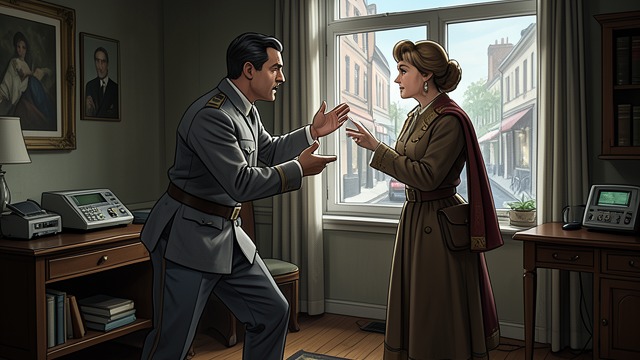
Lucy argues that the gray uniforms and presentation damage his public image, drawing on Gonzalo’s advice. Their domestic argument reveals how appearance becomes a political concern even when violence is the deeper source of opposition.
The Hat in the Photograph
A Picture Reused
A Couple on the Road
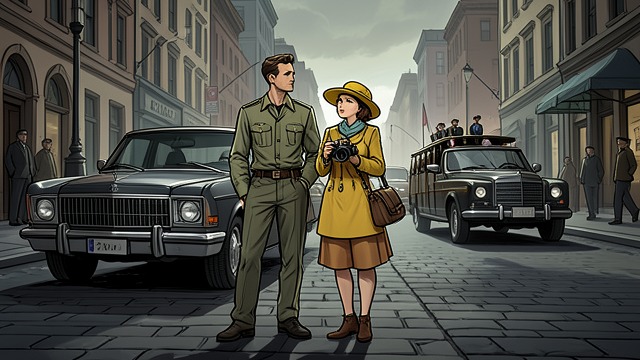
Carlos photographs the Queen in a yellow hat as the presidential convoy passes behind her. The image catches an ordinary-looking moment at the edge of political power.
The Ruler’s Interpretation
Augusto Pinochet later remembers the couple and reacts with contempt when he identifies the Queen as queer. The same scene that the Queen imagines romantically becomes, to him, evidence of a social threat.
The Convoy as a Target
Ceremony Disrupted
A Public Display of Security
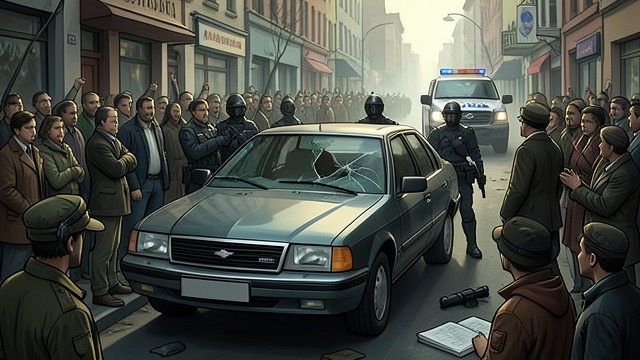
The motorcade uses sirens, guards, and an armored car to make the president’s movement appear secure. Augusto Pinochet assumes the spectacle will deter opponents.
A Reversal in View
The ambush turns these symbols into evidence of vulnerability. Damaged vehicles and scattered bodyguards replace the orderly image of command with a visible failure of protection.
The Virgin in the Broken Window
A Miracle for the Cameras
Lucy’s Explanation
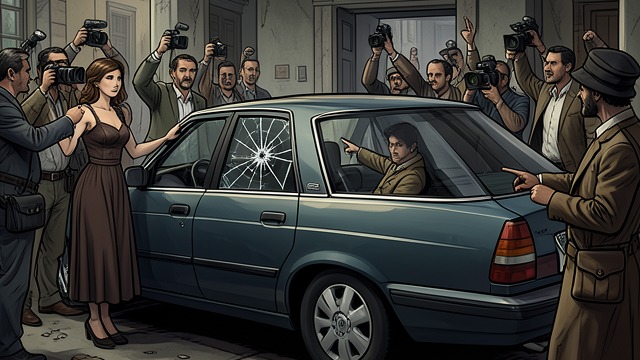
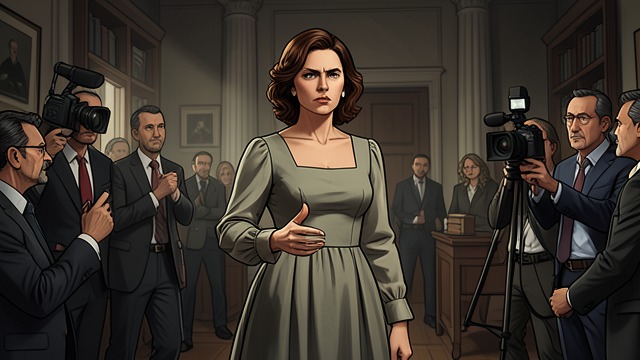
Lucy points to a bullet pattern in the Mercedes-Benz window and claims it depicts the Virgin. She tells reporters that religious protection saved the president.
Public Meaning Managed
The damaged vehicle becomes an exhibit of divine favor rather than an emblem of failed security. The story attempts to recast fear and vulnerability as a victory for the regime.
The Attack in the Press
The News Becomes a Contest
Questions from Reporters
A Radio Cooperativa journalist asks Lucy whether the couple expected an attack. Lucy dismisses the question and berates the reporter rather than discuss the failure of security.
Control and Exposure
The press conference cannot conceal that the convoy was attacked. Official language tries to control the story, while the event itself reveals a regime whose leaders fear public scrutiny.
During the early countryside passages
During the countryside outing in spring 1986
September 11, 1986, on the return journey
The evening after the ambush
After the convoy returns to the coast
