
Childhood Loneliness and the Dictator’s Adult Fear
My Tender MatadorThis flow contrasts the dictator’s childhood humiliation with the Queen’s memories of violence, showing how private wounds shape distinct adult forms of vulnerability.
increasing Bearing strength in each event
 decreasing
Bearing strength in each eventdecreasingAugustito’s Empty Party
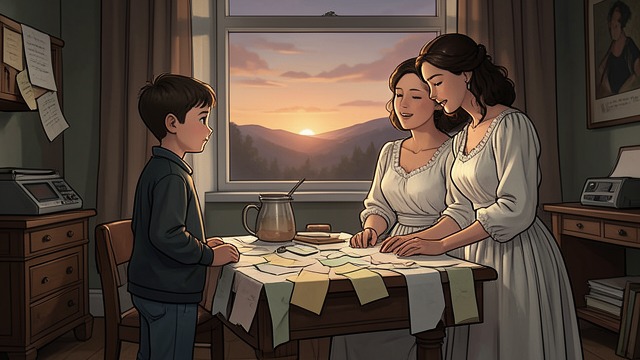
A Childhood Without Guests
The Invitation Unanswered
Augustito’s mother organizes a party and insists he invite his classmates. No one arrives, leaving the boy waiting beside a decorated table as the afternoon turns to evening.
Humiliation Remembered
His mother and the maid sing to him, but the scene cannot replace the absent children. The memory becomes a private wound that later shapes his hatred of birthdays and celebration.
A Boy’s Anger at the Table
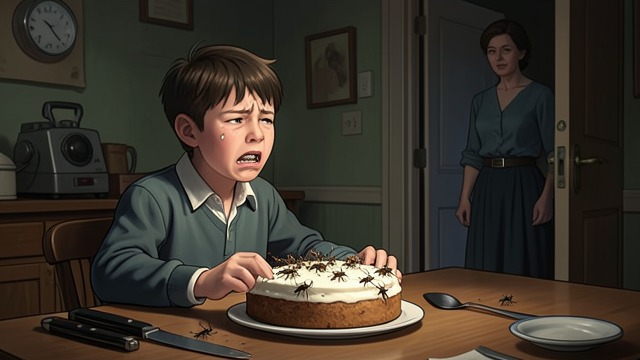
Fantasy Against Rejection
A Cruel Imagined Revenge
Augustito imagines having put insects into the cake for the classmates who failed to appear. His fantasy gives him power over the humiliation he cannot otherwise control.
A Memory Turned into Disgust
His mother makes him eat the cake while the party remains empty. In adulthood, sweets and birthday rituals recall the childhood experience he has never resolved.
A Ruler Dreams of His Funeral
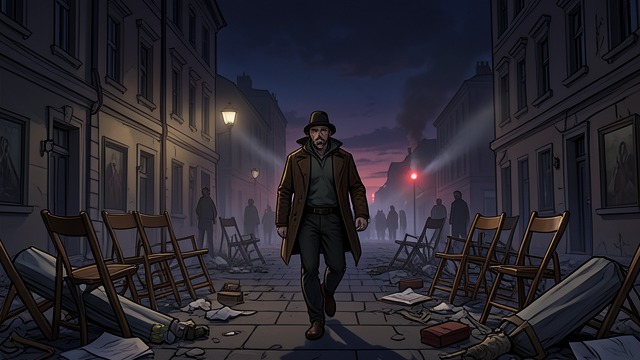
Power in a Nightmare
The Solitary Procession
Augusto Pinochet dreams of walking alone at his own funeral, surrounded by the remains of the violence he inflicted. The city and its dead pull him into a landscape of fear.
Isolation Beneath Authority
The dream imagines a public ritual emptied of mourners and supporters. It reveals the ruler’s fear that his position has left him surrounded by trophies but without genuine loyalty.
The Queen’s Childhood Fear
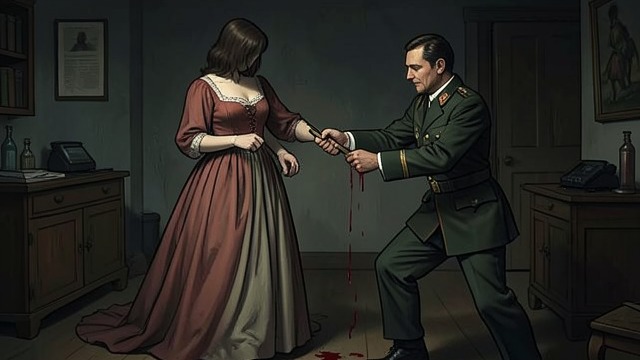
A Childhood of Abuse
Forced Masculinity
The Queen recalls beatings by her father and his attempt to have the military remake her. Her childhood teaches her that masculine authority can turn intimate life into punishment.
A Different Adult Performance
She builds a self through songs, clothing, humor, and craft rather than accepting the identity her father demands. Her theatricality is not merely escape; it is a form of survival.
Fear After the Ambush
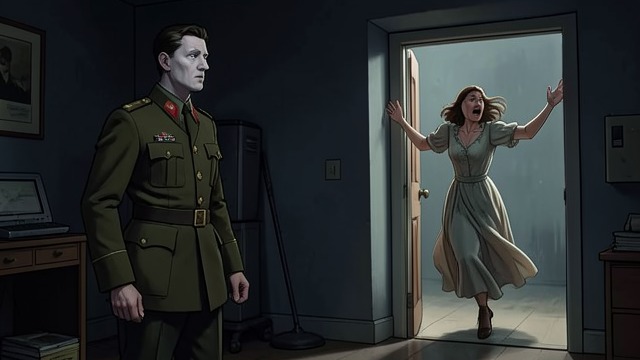
Two Wounds, Unequal Power
The Dictator’s Panic
After surviving the attack, Augusto Pinochet fears further violence and suffers nightmares. His anxiety recalls childhood helplessness but now exists alongside the power of the state.
The Queen’s Displacement
At the same time, the Queen faces searches and must leave her home. Both lives are unsettled by fear, but only one person commands the forces that make the other’s flight necessary.
Augusto Pinochet’s tenth birthday
Later in the same birthday evening
During the return from a countryside weekend
During her late-night conversation with Carlos
The evening of September 11, 1986
