
The Divisionists’ Replica Crisis
Naked LunchThis thread traces Divisionism from a promise of companionship to paranoia, proliferation, and the prospect of a wholesale massacre.
increasing Bearing strength in each event
 decreasing
Bearing strength in each eventdecreasingDivision as Promise
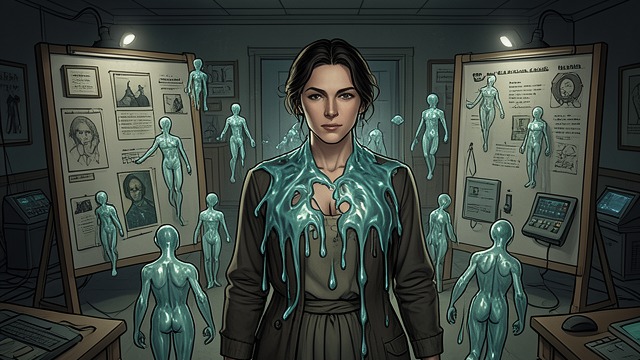
A Copy of the Self
The method
Divisionists cut away small portions of their bodies and grow replicas in embryonic jelly. The process promises a way to travel without loneliness and extend a person’s presence.
The hidden endpoint
The same method could leave the world filled with separate bodies belonging to only one person. A promise of companionship therefore carries the threat of monopoly.
The Mother Cell
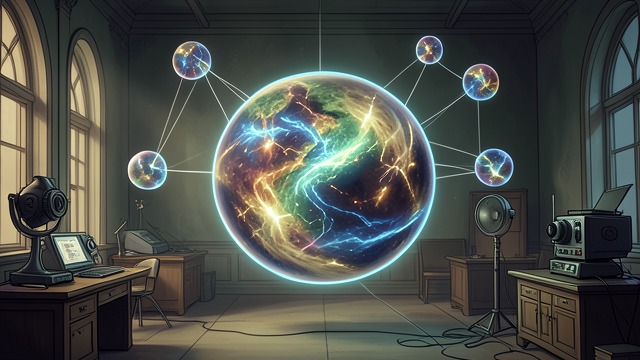
A Shared Source
The required return
Replicas must periodically recharge with the Mother Cell, a belief treated as an article of faith among Divisionists. Their apparent independence remains tied to a central source.
Freedom compromised
The system that produces more bodies does not necessarily create more autonomous people. Replication may multiply the reach of a single identity rather than genuine difference.
Undesirable Copies
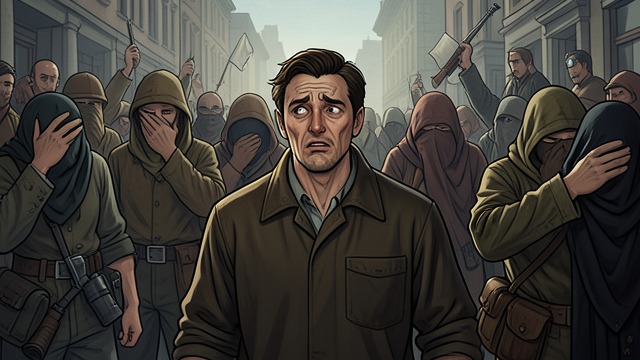
Fear of the Other Self
A shifting label
Each Divisionist may call replicas made by others undesirable. Citizens attempt to alter faces and bodies so their copies will not be recognized.
Suspicion becomes violence
The uncertainty around identity fuels paranoia and fights. A technology meant to preserve the self makes every unfamiliar person a possible duplicate or threat.
The Schluppit Threat

Mass Destruction as Defense
Collective punishment
Citizens may call a Schluppit, a wholesale massacre of identifiable replicas, when proliferation appears to threaten an area. The response treats elimination as protection.
Repression reproduced
Authorities fail to control murder and unlicensed replication, resorting to raids against replica communities. The attempted solution mirrors the fear and coercion it claims to contain.
No Stable Individual
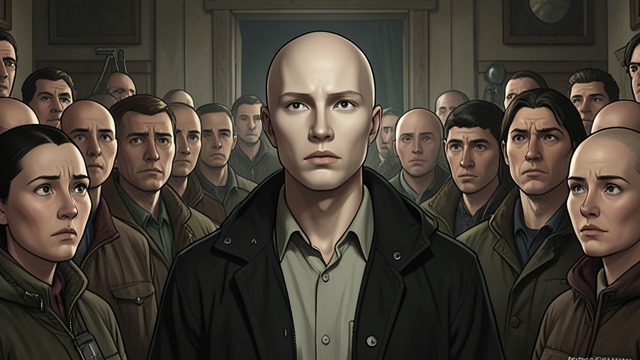
Difference Under Threat
A doubtful escape
Even intelligent and genetically perfect replicas may pose a danger because they attempt to evade change and process. The faction’s ideal of perfected repetition resists the conditions of living individuality.
A warning about control
The replica crisis broadens into a question about how identity can survive systems designed to reproduce it. More selves do not necessarily mean more freedom.
When the political factions are defined
During the explanation of replica dependence
As replica production spreads across Interzone
During the account of anti-replica violence
Near the conclusion of the Divisionist discussion
