
The Museum’s Counter-History
NauseaThis thread follows Roquentin’s discovery that official portraits and printed satire construct competing versions of Olivier Blevigne.
increasing Bearing strength in each event
 decreasing
Bearing strength in each eventdecreasingAn Image Out of Scale
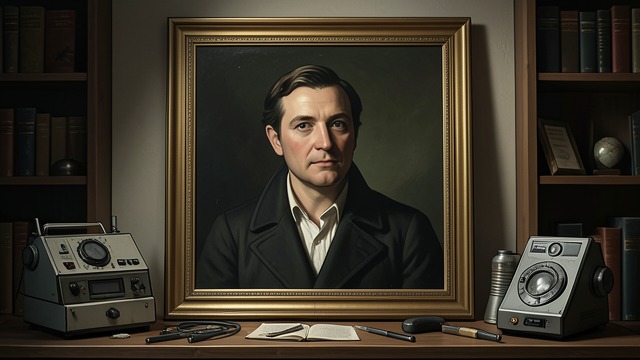
An Image Out of Scale
An unexplained discomfort
Roquentin has repeatedly felt that Olivier Blevigne’s portrait does not sit correctly on its canvas. He cannot decide whether the unease comes from a fault in proportion or from something he has not yet learned.
The image invites scrutiny
The portrait presents a composed public figure, but its carefully arranged surroundings make Roquentin suspect that the image is not a transparent record. He returns to the museum with the question unresolved.
Satire Supplies a Detail
Satire Supplies a Detail
The Portrait’s Achievement
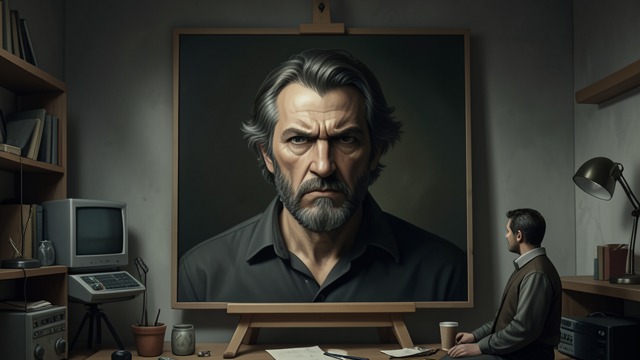
The Portrait’s Achievement
The canvas remakes its subject
Roquentin understands that the portrait preserves Blevigne as a threatening, authoritative figure, not as the small man described by satire. Artistic arrangement has helped convert a fragile historical person into civic legend.
A limit to explanation
Neither image settles the whole truth of Blevigne. Their disagreement reveals how public identity survives through selective representation, a process Roquentin cannot confuse with the continued existence of the person himself.
Before the Saturday museum visit
That Saturday, before returning to the museum
During the return visit to the portrait gallery
