
The Loss of a Historical Self
NauseaThis flow tracks the dissolution of Roquentin’s identity as historian and the role of the past in his account of himself.
increasing Bearing strength in each event
 decreasing
Bearing strength in each eventdecreasingHistorian by Occupation
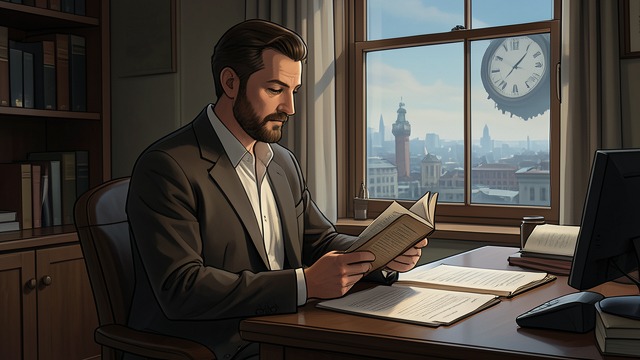
Historian by Occupation
A defined pursuit
Antoine Roquentin identifies himself through research on Rollebon and through the careful sorting of documents. The scholarly task supplies a recognizable role even as his personal life remains thin.
The role hides a need
His attention to the dead man also distances him from his own uncertain existence. The historical vocation is practical work, but it has become an emotional defense.
The Past Becomes Unavailable
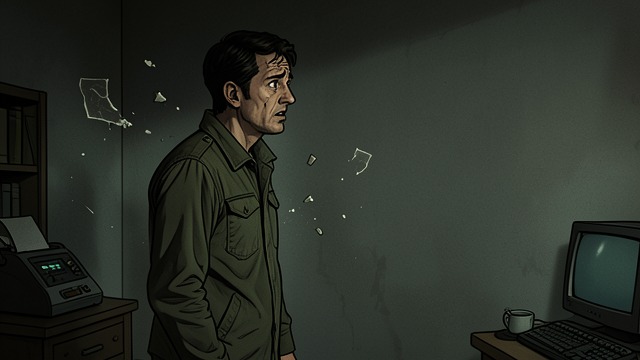
The Past Becomes Unavailable
Memory loses detail
Roquentin tries to reconstruct journeys and relationships but finds only fading images, disconnected scraps, and words. His recollections cannot restore the lived moments they refer to.
Identity loses its archive
Without a coherent past, he cannot rely on personal history to explain who he is. His present consciousness becomes the only undeniable point of reference.
The Historian Stops Writing
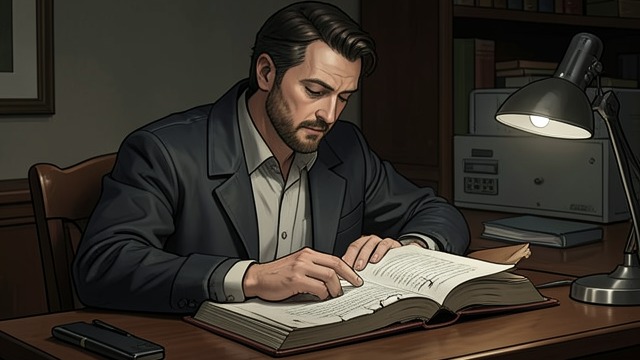
The Historian Stops Writing
The research ends
Roquentin abandons the Rollebon project after realizing that its sentences cannot bring the dead man back. The old role no longer organizes his days or secures a reason for living.
A future remains open
He considers a novel rather than another historical account. This possibility does not restore his former identity, but it gives him an action he might choose for himself.
At the start of the diary
During the week before meeting Anny
Near the end of his stay in Bouville
