
Adventure and the Shape of a Life
NauseaThis flow follows Roquentin’s belief in adventure, his discovery that storytelling manufactures its shape, and his eventual search for a different form of creation.
increasing Bearing strength in each event
 decreasing
Bearing strength in each eventdecreasingA Traveler’s Self-Image
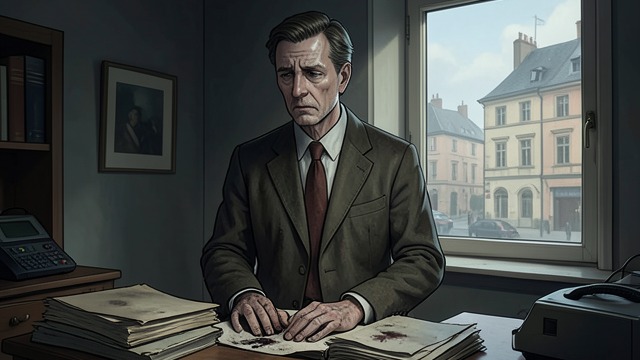
A Traveler’s Self-Image
A life of movement
Antoine Roquentin recalls journeys through distant cities and countries as if they had given his life rare, valuable moments. He takes pride in having adventures and expects his past to support that self-image.
The claim begins to fail
When the autodidact asks about his travels, Roquentin finds that the word no longer fits. Events happened to him, but he cannot find the special order he had imagined.
Storytelling Reverses Time
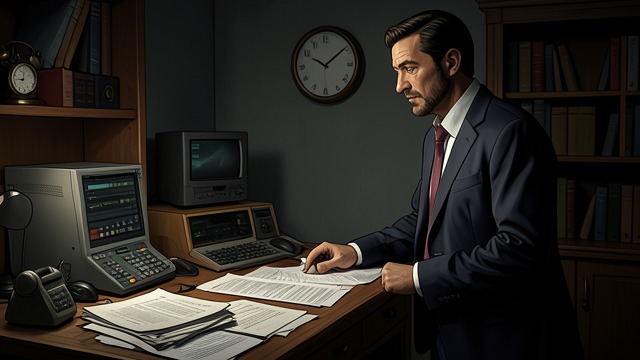
Storytelling Reverses Time
Life without beginnings
Roquentin sees that lived days arrive without the beginnings and endings that stories give them. Events accumulate without an evident pattern, and the present does not announce what it will later mean.
Retelling creates adventure
Once events are narrated, their endings seem to have been waiting from the start. The apparent adventure is therefore shaped retrospectively, revealing how storytelling can disguise the disorder of lived experience.
A Novel as a Possible Future
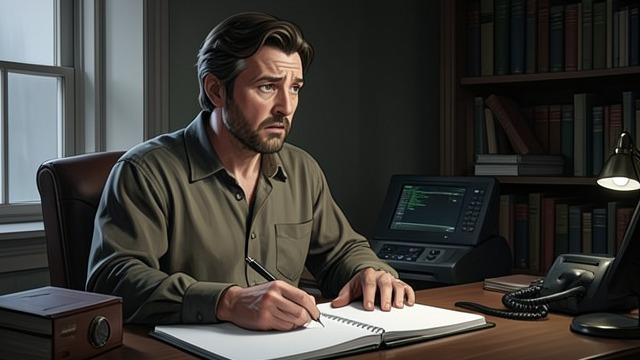
A Novel as a Possible Future
Art offers another form
Listening again to the record, Roquentin wonders whether a created work might outlast the accidental circumstances of its maker. He does not mistake art for a rescue from existence, but hears a possible way of shaping it.
An untested commitment
He considers writing a novel rather than restoring a historical life. The idea remains uncertain, yet it gives him a future action not founded on the false promise that life itself is an adventure.
Early in the diary
After the conversation about travel
On the final evening in Bouville
