
The Humanist Dispute
NauseaThis flow traces the conflict between the autodidact’s universal love of humanity and Roquentin’s refusal to turn individuals into moral abstractions.
increasing Bearing strength in each event
 decreasing
Bearing strength in each eventdecreasingA General Claim
A General Claim
Humanity as a goal
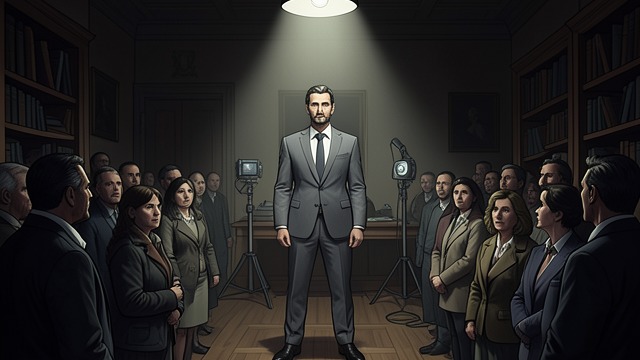
The autodidact says that humanity gives life direction and that all people are his friends. He draws on political commitment and remembered solidarity to defend this faith.
Roquentin resists the formula
Roquentin suspects that universal love can avoid the difficult work of seeing particular people. He challenges the way abstract ideals can smooth over difference and discomfort.
The Young Couple as a Test
The Young Couple as a Test
Symbols instead of people
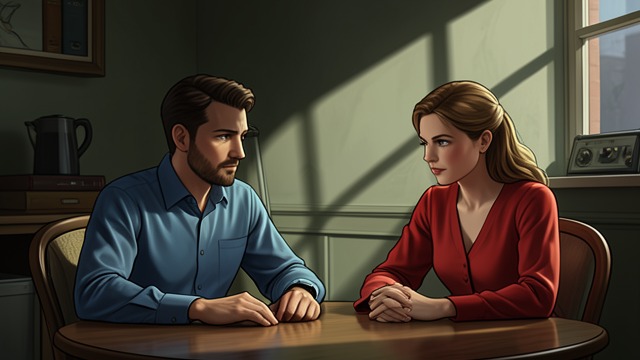
Roquentin asks whether the autodidact truly loves a nearby young couple or merely the ideas of youth and love. The man admits that he has not studied them closely.
Abstraction exposed
Roquentin argues that generalized admiration may bypass the actual people in front of them. The exchange makes the disagreement concrete, turning humanism from a comfortable principle into a question of attention.
The Argument Ends in Disgust
The Argument Ends in Disgust
No reconciliation
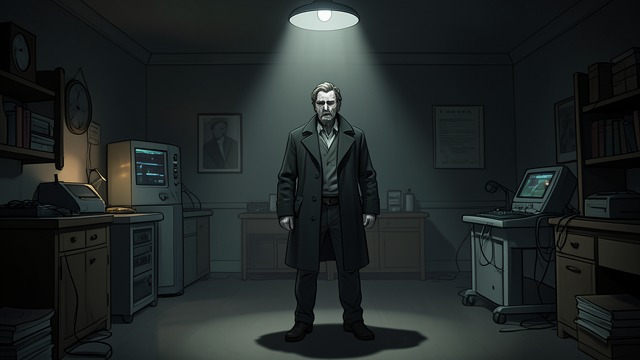
The autodidact insists that Roquentin shares his love of people, while Roquentin refuses the label. Neither can persuade the other to accept the same account of their motives.
Nausea returns
As the debate continues, Roquentin feels nausea rise and leaves the table. The conflict ends not with a conclusion but with his renewed bodily rejection of the social world around him.
At lunch before Roquentin leaves Bouville
During the same lunch
At the end of lunch
